

GIVE THE PERFECT GIFT
Erin Mills Town Centre Gift Cards are the perfect choice for your gift giving needs.Purchase gift cards at kiosks near the food court or centre court, at Guest Services, or click below to purchase online.PURCHASE HEREHome
Politics of Stigmatization: Poland as a 'Latecomer' in the European Union
Indigo
Loading Inventory...
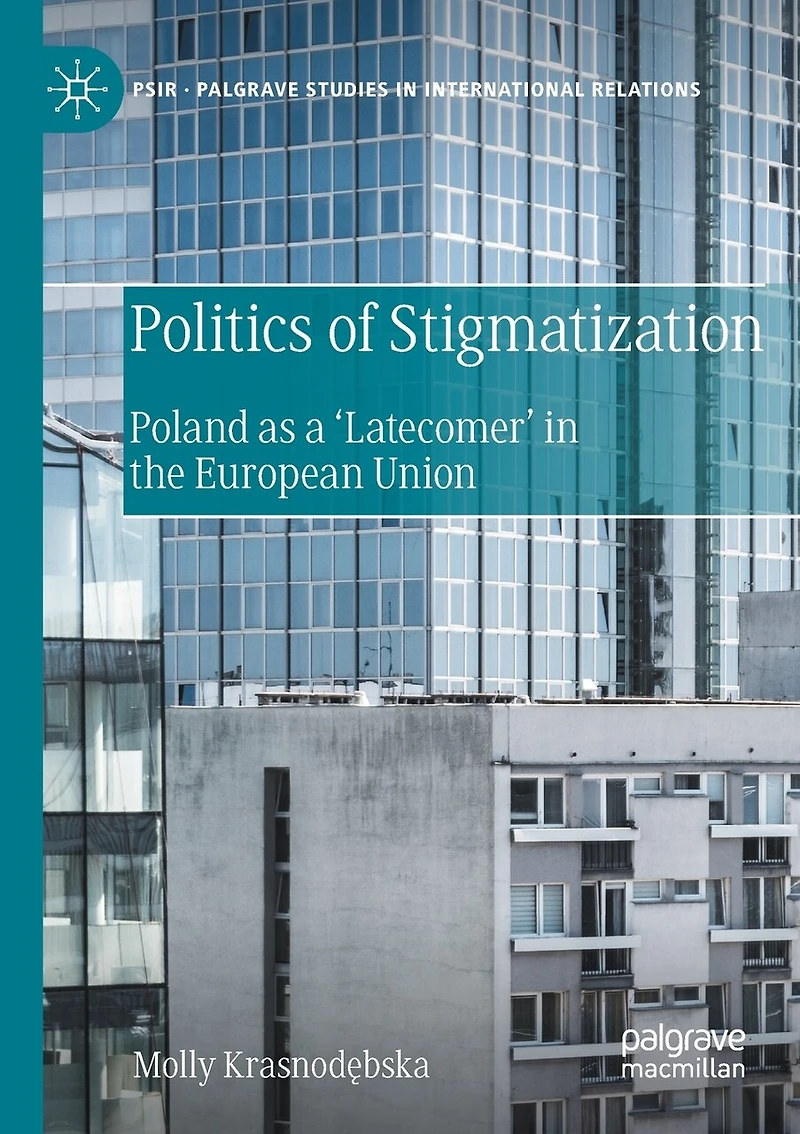
Politics of Stigmatization: Poland as a 'Latecomer' in the European Union
Current price: $204.50

Politics of Stigmatization: Poland as a 'Latecomer' in the European Union
Current price: $204.50
Loading Inventory...
Size: Paperback
*Product information may vary - to confirm product availability, pricing, shipping and return information please contact Indigo
This book studies how the pursuit of becoming an established 'insider' in an international community shapes a state's foreign policy. It looks at Poland's response to three international crises that called for joint action of the EU and its members: the Iraq war of 2003, the Russo-Georgian war of 2008, and the Ukraine crisis beginning in 2013. The book develops the concept of strategic culture as a collection of historically informed narratives that guide a state's pursuit of ontological security, a basic sense of certainty about the state's role and place in the international environment. Building on this concept the author argues that Poland's behavior reflects the awareness of its stigma as a 'late arrival' in the EU, and more generally in the'West' as an identity community. The study thus provides insight into how stigmatization and struggle for recognition shape international dynamics.
This book studies how the pursuit of becoming an established 'insider' in an international community shapes a state's foreign policy. It looks at Poland's response to three international crises that called for joint action of the EU and its members: the Iraq war of 2003, the Russo-Georgian war of 2008, and the Ukraine crisis beginning in 2013. The book develops the concept of strategic culture as a collection of historically informed narratives that guide a state's pursuit of ontological security, a basic sense of certainty about the state's role and place in the international environment. Building on this concept the author argues that Poland's behavior reflects the awareness of its stigma as a 'late arrival' in the EU, and more generally in the'West' as an identity community. The study thus provides insight into how stigmatization and struggle for recognition shape international dynamics.
You May Also Like















More About Indigo at Erin Mills Town Centre
The largest book retailer in Canada also offers toys, music, home décor, gifts and lifestyle products. What's Inside...Books, Magazines, CD’s and DVD’s, Toys and Gifts, Home Accents, Electronics, Baby’s and Children’s Section, Bath and Body, Kitchen and Bedroom, Stationary Located outside in the exterior plaza.
5015 Glen Erin Dr, Mississauga, ON L5M 0R7, Canada
Find Indigo at Erin Mills Town Centre in Mississauga ON
Visit Indigo at Erin Mills Town Centre in Mississauga ON