

GIVE THE PERFECT GIFT
Erin Mills Town Centre Gift Cards are the perfect choice for your gift giving needs.Purchase gift cards at kiosks near the food court or centre court, at Guest Services, or click below to purchase online.PURCHASE HEREHome
Politics Shaping Urban Poverty's Welfare
Indigo
Loading Inventory...
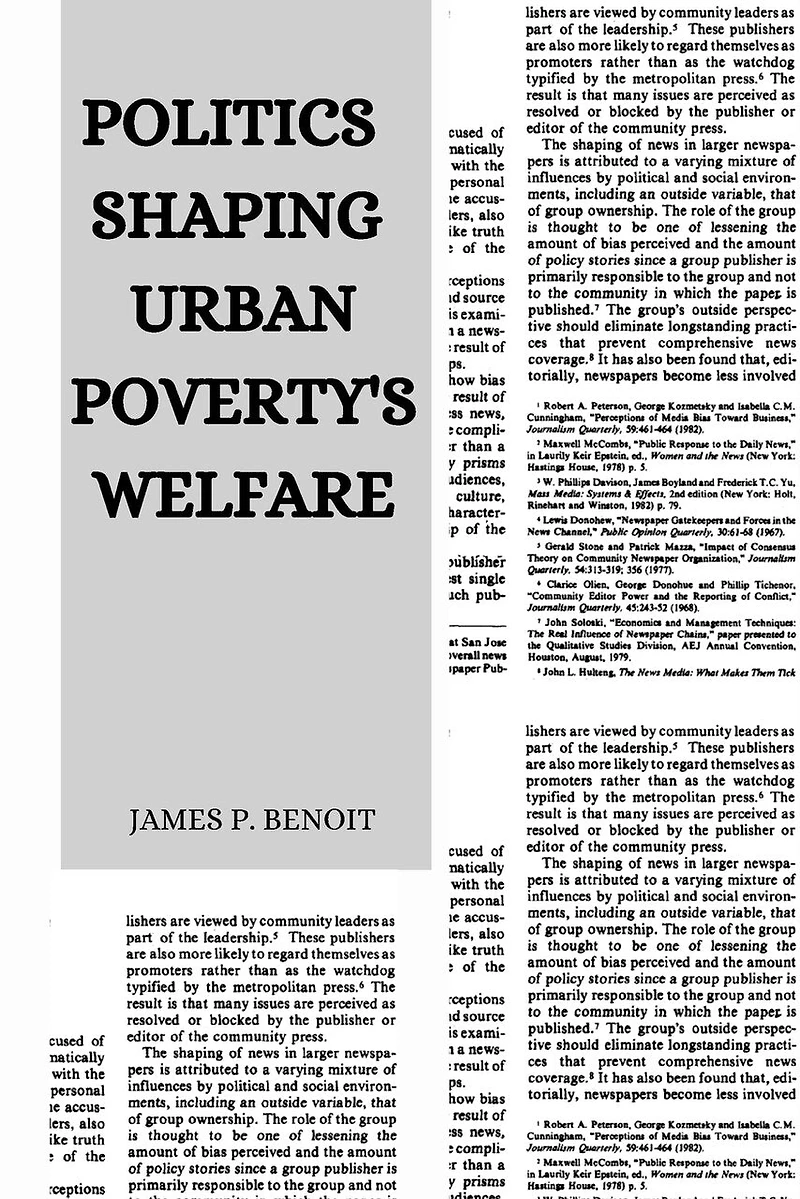
Politics Shaping Urban Poverty's Welfare
Current price: $37.99

Politics Shaping Urban Poverty's Welfare
Current price: $37.99
Loading Inventory...
Size: Paperback
*Product information may vary - to confirm product availability, pricing, shipping and return information please contact Indigo
In the late 1960s, at the height of the Brazilian military dictatorship, the population of Rio de Janeiro increased exponentially, mostly as a result of a wave of migration from poor rural areas. The vast majority of the new inhabitants of the Cidade Maravilhosa settled in the hills that overlook the city, where the shantytowns, or favelas, that they established still stand, and continue to expand. Like thousands of cities across the developing world, Rio de Janeiro has two different worlds: the "asphalt" where the upper classes live, and the "hills" where poor favelados strive to make a living. Today, 22 percent of Rio de Janeiro's inhabitants, more than 1.4 million people, inhabit the city's 763 favelas, where the typical resident lives in poverty with little access to government services For many of these favelados, who dreamed that democratization would provide opportunities to be heard by the authorities and improve their wellbeing, the promise of citizenship and democracy has been delivered mostly in the form of rampant clientelism.
In the late 1960s, at the height of the Brazilian military dictatorship, the population of Rio de Janeiro increased exponentially, mostly as a result of a wave of migration from poor rural areas. The vast majority of the new inhabitants of the Cidade Maravilhosa settled in the hills that overlook the city, where the shantytowns, or favelas, that they established still stand, and continue to expand. Like thousands of cities across the developing world, Rio de Janeiro has two different worlds: the "asphalt" where the upper classes live, and the "hills" where poor favelados strive to make a living. Today, 22 percent of Rio de Janeiro's inhabitants, more than 1.4 million people, inhabit the city's 763 favelas, where the typical resident lives in poverty with little access to government services For many of these favelados, who dreamed that democratization would provide opportunities to be heard by the authorities and improve their wellbeing, the promise of citizenship and democracy has been delivered mostly in the form of rampant clientelism.
You May Also Like







More About Indigo at Erin Mills Town Centre
The largest book retailer in Canada also offers toys, music, home décor, gifts and lifestyle products. What's Inside...Books, Magazines, CD’s and DVD’s, Toys and Gifts, Home Accents, Electronics, Baby’s and Children’s Section, Bath and Body, Kitchen and Bedroom, Stationary Located outside in the exterior plaza.
5015 Glen Erin Dr, Mississauga, ON L5M 0R7, Canada
Find Indigo at Erin Mills Town Centre in Mississauga ON
Visit Indigo at Erin Mills Town Centre in Mississauga ON