

GIVE THE PERFECT GIFT
Erin Mills Town Centre Gift Cards are the perfect choice for your gift giving needs.Purchase gift cards at kiosks near the food court or centre court, at Guest Services, or click below to purchase online.PURCHASE HEREHome
Pollination And Floral Ecology
Indigo
Loading Inventory...
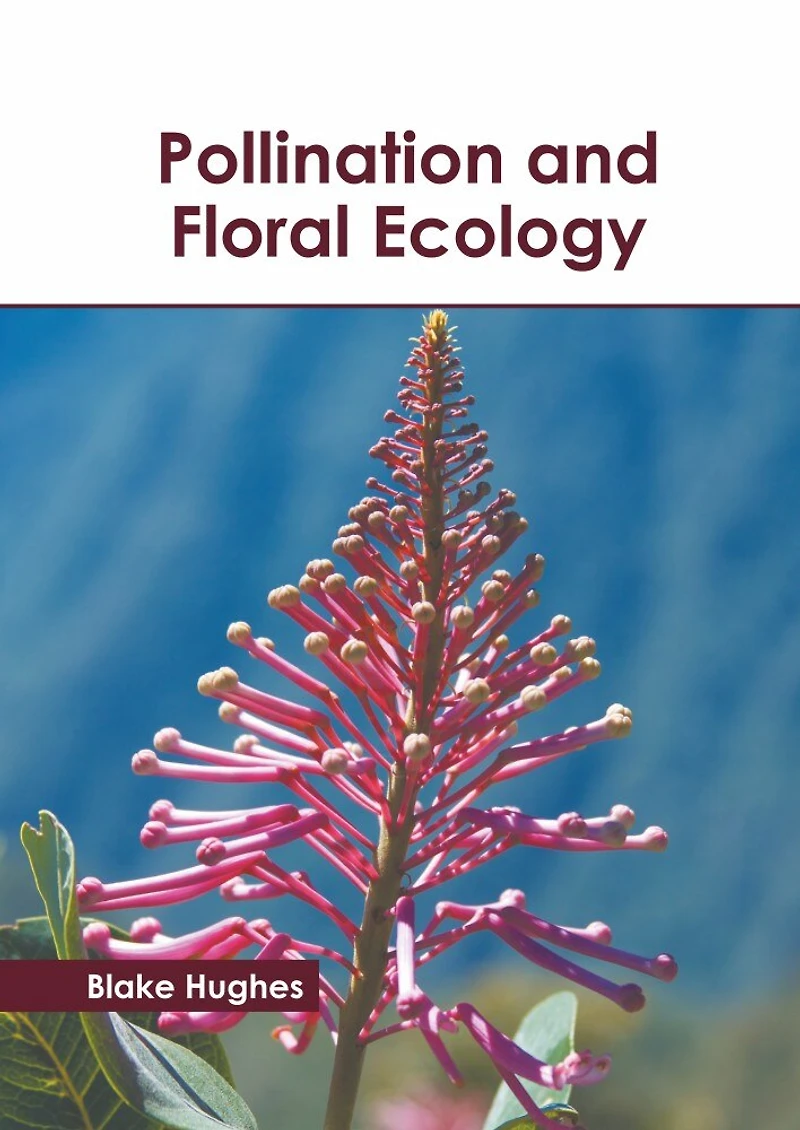
Pollination And Floral Ecology
Current price: $207.48

Pollination And Floral Ecology
Current price: $207.48
Loading Inventory...
Size: Hardcover
*Product information may vary - to confirm product availability, pricing, shipping and return information please contact Indigo
Flowers are structures produced by angiosperms or flowering plants. Their evolutionary history has been shaped by their association with pollinators, primarily insects. The transfer of pollen grains from the stamens to the ovules, or pollination, is an essential aspect of plant reproduction. In flowering plants, the ovules are contained within the pistil, and the pollen is generally deposited on the stigma, which is the receptive surface of the pistil. In conifers and cycads, the ovules are exposed and the pollen is caught in the fluid secreted by the ovule. This process is mediated by insects, vertebrates (bats and birds), certain mammals and some lizards. Such interaction between flowers and their pollinators are mutualistic. These influence floral ecology and are believed to have led to the wide diversity of pollinators today. This book contains some path-breaking studies in pollination and floral ecology. It will also provide interesting topics for research which interested readers can take up. A number of latest researches have been included to keep the readers up-to-date with the global concepts in this area of study.
Flowers are structures produced by angiosperms or flowering plants. Their evolutionary history has been shaped by their association with pollinators, primarily insects. The transfer of pollen grains from the stamens to the ovules, or pollination, is an essential aspect of plant reproduction. In flowering plants, the ovules are contained within the pistil, and the pollen is generally deposited on the stigma, which is the receptive surface of the pistil. In conifers and cycads, the ovules are exposed and the pollen is caught in the fluid secreted by the ovule. This process is mediated by insects, vertebrates (bats and birds), certain mammals and some lizards. Such interaction between flowers and their pollinators are mutualistic. These influence floral ecology and are believed to have led to the wide diversity of pollinators today. This book contains some path-breaking studies in pollination and floral ecology. It will also provide interesting topics for research which interested readers can take up. A number of latest researches have been included to keep the readers up-to-date with the global concepts in this area of study.
You May Also Like








More About Indigo at Erin Mills Town Centre
The largest book retailer in Canada also offers toys, music, home décor, gifts and lifestyle products. What's Inside...Books, Magazines, CD’s and DVD’s, Toys and Gifts, Home Accents, Electronics, Baby’s and Children’s Section, Bath and Body, Kitchen and Bedroom, Stationary Located outside in the exterior plaza.
5015 Glen Erin Dr, Mississauga, ON L5M 0R7, Canada
Find Indigo at Erin Mills Town Centre in Mississauga ON
Visit Indigo at Erin Mills Town Centre in Mississauga ON