

GIVE THE PERFECT GIFT
Erin Mills Town Centre Gift Cards are the perfect choice for your gift giving needs.Purchase gift cards at kiosks near the food court or centre court, at Guest Services, or click below to purchase online.PURCHASE HEREHome
Poltava
Indigo
Loading Inventory...
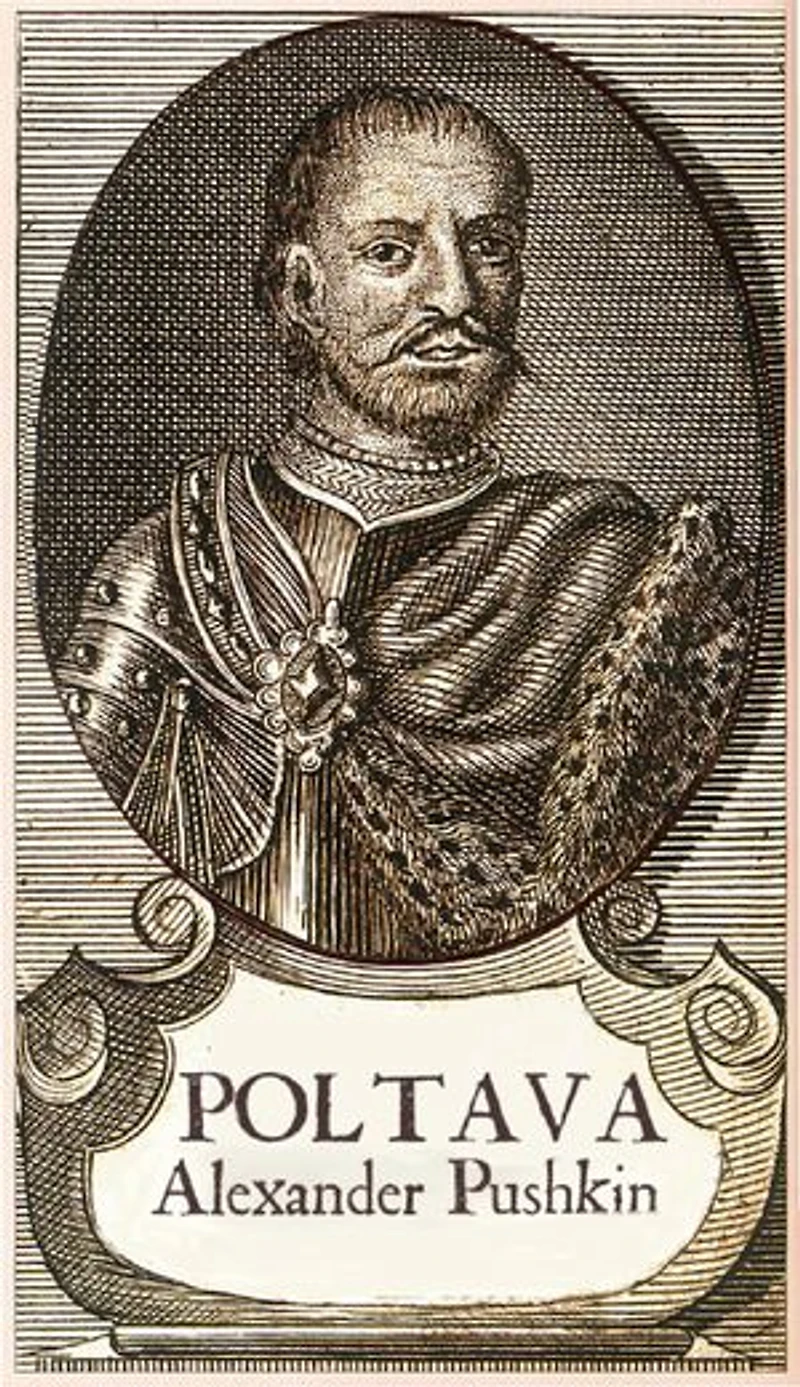
Poltava
Current price: $1.34

Poltava
Current price: $1.34
Loading Inventory...
Size: Kobo eBook
*Product information may vary - to confirm product availability, pricing, shipping and return information please contact Indigo
Alexander Pushkin’s Poltava is named after the decisive battle of the Great Northern War, a twenty-year conflict between Russia and Sweden that led to the emergence of Russia as a European power. The poem centers around the Ukrainian Cossack hetman Ivan Mazepa, his forbidden love affair with Maria Kochubey, and his betrayal of Tsar Peter the Great in the months leading up to the titular battle.
While Pushkin considered it his most mature work yet, the reception of Poltava was mixed, and it remains one of his lesser-known narrative poems. Scholars have praised the poem for its characterization and synthesis of literary genres, but also criticized its imperialist overtones and unabashed glorification of Peter, which was perhaps Pushkin’s attempt to restore his reputation as a loyal subject of Tsar Nicholas.
Alexander Pushkin’s Poltava is named after the decisive battle of the Great Northern War, a twenty-year conflict between Russia and Sweden that led to the emergence of Russia as a European power. The poem centers around the Ukrainian Cossack hetman Ivan Mazepa, his forbidden love affair with Maria Kochubey, and his betrayal of Tsar Peter the Great in the months leading up to the titular battle.
While Pushkin considered it his most mature work yet, the reception of Poltava was mixed, and it remains one of his lesser-known narrative poems. Scholars have praised the poem for its characterization and synthesis of literary genres, but also criticized its imperialist overtones and unabashed glorification of Peter, which was perhaps Pushkin’s attempt to restore his reputation as a loyal subject of Tsar Nicholas.
You May Also Like








More About Indigo at Erin Mills Town Centre
The largest book retailer in Canada also offers toys, music, home décor, gifts and lifestyle products. What's Inside...Books, Magazines, CD’s and DVD’s, Toys and Gifts, Home Accents, Electronics, Baby’s and Children’s Section, Bath and Body, Kitchen and Bedroom, Stationary Located outside in the exterior plaza.
5015 Glen Erin Dr, Mississauga, ON L5M 0R7, Canada
Find Indigo at Erin Mills Town Centre in Mississauga ON
Visit Indigo at Erin Mills Town Centre in Mississauga ON