

GIVE THE PERFECT GIFT
Erin Mills Town Centre Gift Cards are the perfect choice for your gift giving needs.Purchase gift cards at kiosks near the food court or centre court, at Guest Services, or click below to purchase online.PURCHASE HEREHome
Polypores and Similar Fungi of Eastern Central North America
Indigo
Loading Inventory...
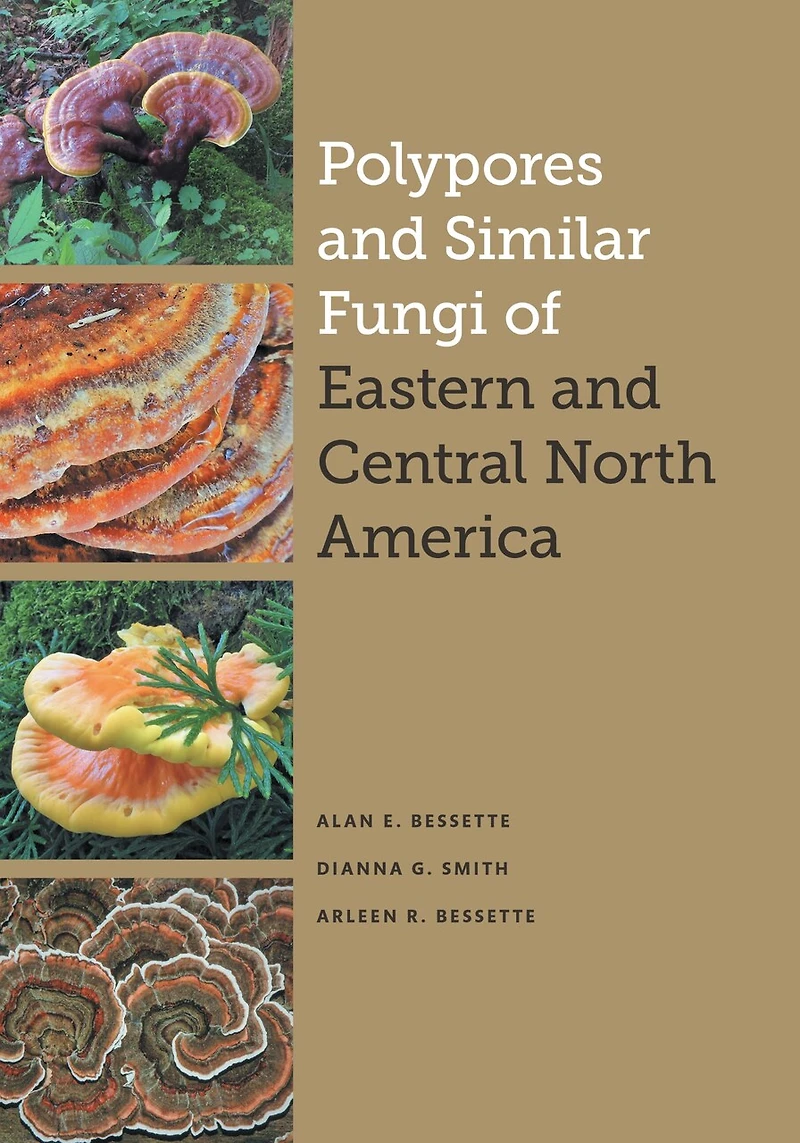
Polypores and Similar Fungi of Eastern Central North America
Current price: $81.00

Polypores and Similar Fungi of Eastern Central North America
Current price: $81.00
Loading Inventory...
Size: Hardcover
*Product information may vary - to confirm product availability, pricing, shipping and return information please contact Indigo
This is the first color-illustrated guide to polypores and similar fungi specific to the eastern and central regions of the United States and Canada. Welcoming and comprehensive, it accurately presents the currently available information about polypores, emphasizes identification based primarily on macroscopic field characters, and includes observational data drawn from the authors' extensive experience. It includes new species and genera; addresses changing nomenclature; and provides details about polypores' biology, morphology, composition, role as parasites, interactions with various arthropods, and purported medicinal applications. The book also highlights how changes in geology, soil structure, and plant species due to factors such as continental drift and climate change have affected the evolution of polypores. Featuring more than 240 species of polypores, extensive and easy-to-use dichotomous keys, and more than 300 color illustrations and multiple maps and line drawings, it is a must-have for amateur and professional mycologists, forest service personnel, mycophagists, and anyone interested in learning more about this remarkable group of fungi.
This is the first color-illustrated guide to polypores and similar fungi specific to the eastern and central regions of the United States and Canada. Welcoming and comprehensive, it accurately presents the currently available information about polypores, emphasizes identification based primarily on macroscopic field characters, and includes observational data drawn from the authors' extensive experience. It includes new species and genera; addresses changing nomenclature; and provides details about polypores' biology, morphology, composition, role as parasites, interactions with various arthropods, and purported medicinal applications. The book also highlights how changes in geology, soil structure, and plant species due to factors such as continental drift and climate change have affected the evolution of polypores. Featuring more than 240 species of polypores, extensive and easy-to-use dichotomous keys, and more than 300 color illustrations and multiple maps and line drawings, it is a must-have for amateur and professional mycologists, forest service personnel, mycophagists, and anyone interested in learning more about this remarkable group of fungi.
You May Also Like







More About Indigo at Erin Mills Town Centre
The largest book retailer in Canada also offers toys, music, home décor, gifts and lifestyle products. What's Inside...Books, Magazines, CD’s and DVD’s, Toys and Gifts, Home Accents, Electronics, Baby’s and Children’s Section, Bath and Body, Kitchen and Bedroom, Stationary Located outside in the exterior plaza.
5015 Glen Erin Dr, Mississauga, ON L5M 0R7, Canada
Find Indigo at Erin Mills Town Centre in Mississauga ON
Visit Indigo at Erin Mills Town Centre in Mississauga ON