

GIVE THE PERFECT GIFT
Erin Mills Town Centre Gift Cards are the perfect choice for your gift giving needs.Purchase gift cards at kiosks near the food court or centre court, at Guest Services, or click below to purchase online.PURCHASE HEREHome
Portfolio Management in Continuous Time: Numerical Applications in R and Python
Indigo
Loading Inventory...
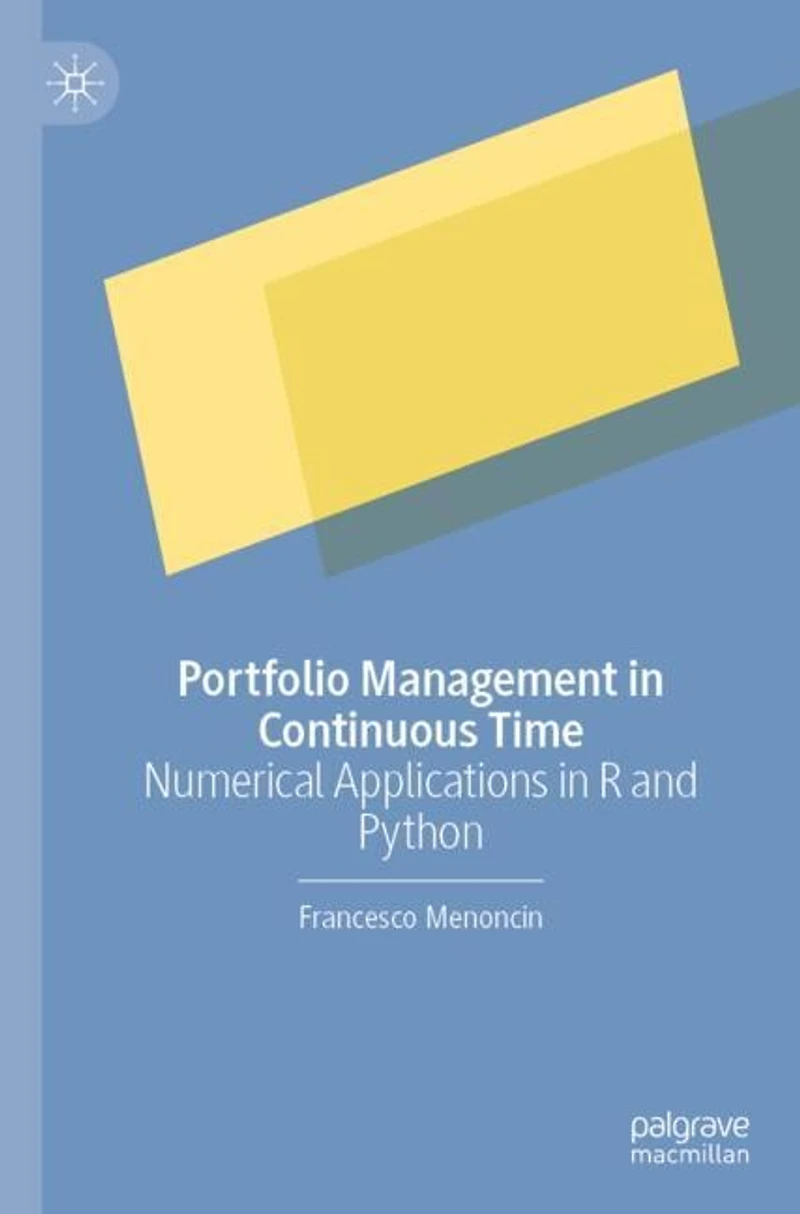
Portfolio Management in Continuous Time: Numerical Applications in R and Python
Current price: $145.95

Portfolio Management in Continuous Time: Numerical Applications in R and Python
Current price: $145.95
Loading Inventory...
Size: Paperback
*Product information may vary - to confirm product availability, pricing, shipping and return information please contact Indigo
This textbook covers essential topics in quantitative finance, including stochastic calculus, portfolio optimization (static and dynamic), and risk-neutral pricing. Combining financial theory with real-world applications, the book presents a step-by-step guide to modelling financial data in continuous time using R and Python. The side-by-side presentation of the two software languages allows readers to grasp the similarities and differences between the two codes, while guiding them through models calibrated with actual market data that illustrate the quantitative characteristics of optimal portfolios. Reinforced with pedagogical features including accompanying online datasets and numerical exercises to understand stochastic processes, this textbook will be a valuable resource for postgraduate students on corporate finance, quantitative finance, portfolio and investment management, risk management and actuarial courses, as well as finance professionals undertaking quantitative modelling.
This textbook covers essential topics in quantitative finance, including stochastic calculus, portfolio optimization (static and dynamic), and risk-neutral pricing. Combining financial theory with real-world applications, the book presents a step-by-step guide to modelling financial data in continuous time using R and Python. The side-by-side presentation of the two software languages allows readers to grasp the similarities and differences between the two codes, while guiding them through models calibrated with actual market data that illustrate the quantitative characteristics of optimal portfolios. Reinforced with pedagogical features including accompanying online datasets and numerical exercises to understand stochastic processes, this textbook will be a valuable resource for postgraduate students on corporate finance, quantitative finance, portfolio and investment management, risk management and actuarial courses, as well as finance professionals undertaking quantitative modelling.
You May Also Like









More About Indigo at Erin Mills Town Centre
The largest book retailer in Canada also offers toys, music, home décor, gifts and lifestyle products. What's Inside...Books, Magazines, CD’s and DVD’s, Toys and Gifts, Home Accents, Electronics, Baby’s and Children’s Section, Bath and Body, Kitchen and Bedroom, Stationary Located outside in the exterior plaza.
5015 Glen Erin Dr, Mississauga, ON L5M 0R7, Canada
Find Indigo at Erin Mills Town Centre in Mississauga ON
Visit Indigo at Erin Mills Town Centre in Mississauga ON