

GIVE THE PERFECT GIFT
Erin Mills Town Centre Gift Cards are the perfect choice for your gift giving needs.Purchase gift cards at kiosks near the food court or centre court, at Guest Services, or click below to purchase online.PURCHASE HEREHome
Portraits in the Andes: Photography and Agency, 1900-1950
Indigo
Loading Inventory...
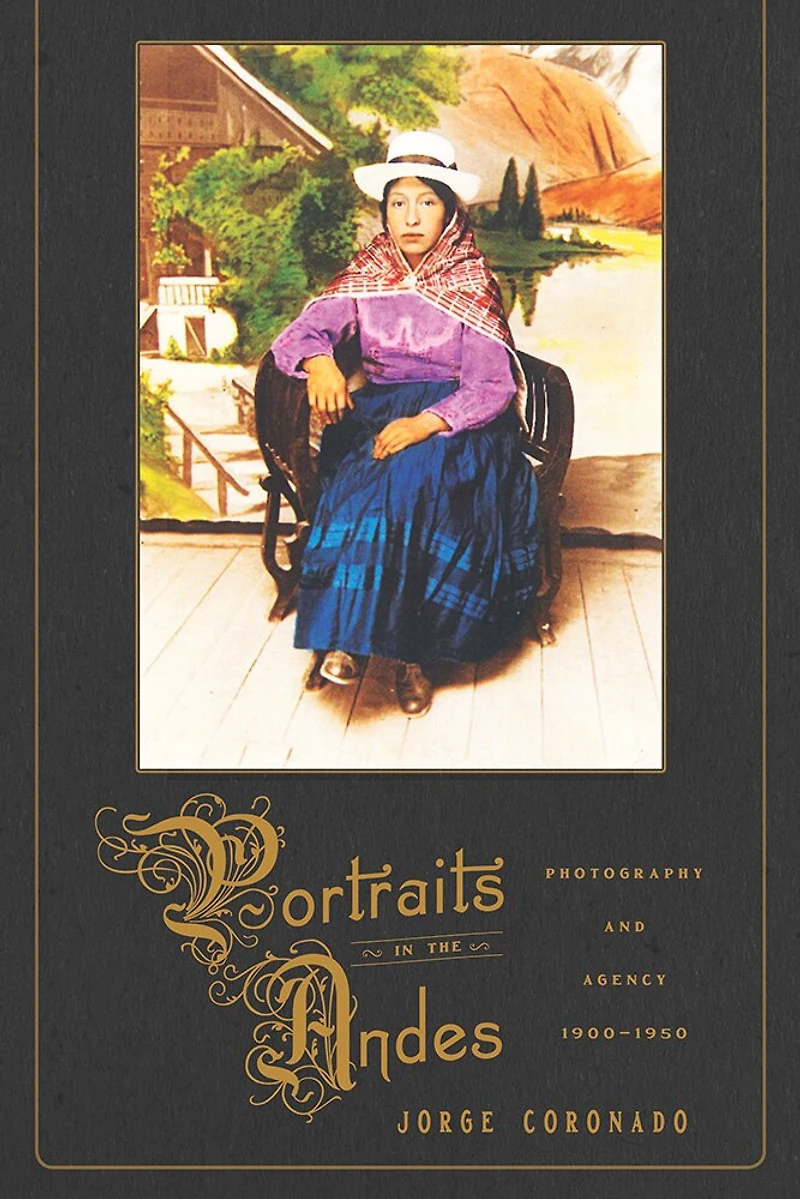
Portraits in the Andes: Photography and Agency, 1900-1950
Current price: $65.00

Portraits in the Andes: Photography and Agency, 1900-1950
Current price: $65.00
Loading Inventory...
Size: Paperback
*Product information may vary - to confirm product availability, pricing, shipping and return information please contact Indigo
Portraits in the Andes examines indigenous and mestizo self-representation through the medium of photography from the early to mid twentieth century. As Jorge Coronado reveals, these images offer a powerful counterpoint to the often-slanted, predominant view of indigenismo produced by the intellectual elite.
Photography offered an inexpensive and readily available technology for producing portraits and other images that allowed lower- and middle-class racialized subjects to create their own distinct rhetoric and vision of their culture. The powerful identity-marking vehicle that photography provided to the masses has been overlooked in much of Latin American cultural studies—which have focused primarily on the elite’s visual arts. Coronado's study offers close readings of Andean photographic archives from the early- to mid-twentieth century, to show the development of a consumer culture and the agency of marginalized groups in creating a visual document of their personal interpretations of modernity.
Portraits in the Andes examines indigenous and mestizo self-representation through the medium of photography from the early to mid twentieth century. As Jorge Coronado reveals, these images offer a powerful counterpoint to the often-slanted, predominant view of indigenismo produced by the intellectual elite.
Photography offered an inexpensive and readily available technology for producing portraits and other images that allowed lower- and middle-class racialized subjects to create their own distinct rhetoric and vision of their culture. The powerful identity-marking vehicle that photography provided to the masses has been overlooked in much of Latin American cultural studies—which have focused primarily on the elite’s visual arts. Coronado's study offers close readings of Andean photographic archives from the early- to mid-twentieth century, to show the development of a consumer culture and the agency of marginalized groups in creating a visual document of their personal interpretations of modernity.
You May Also Like












More About Indigo at Erin Mills Town Centre
The largest book retailer in Canada also offers toys, music, home décor, gifts and lifestyle products. What's Inside...Books, Magazines, CD’s and DVD’s, Toys and Gifts, Home Accents, Electronics, Baby’s and Children’s Section, Bath and Body, Kitchen and Bedroom, Stationary Located outside in the exterior plaza.
5015 Glen Erin Dr, Mississauga, ON L5M 0R7, Canada
Find Indigo at Erin Mills Town Centre in Mississauga ON
Visit Indigo at Erin Mills Town Centre in Mississauga ON