

GIVE THE PERFECT GIFT
Erin Mills Town Centre Gift Cards are the perfect choice for your gift giving needs.Purchase gift cards at kiosks near the food court or centre court, at Guest Services, or click below to purchase online.PURCHASE HEREHome
Post-Traumatic Growth to Psychological Well-Being: Coping Wisely with Adversity
Indigo
Loading Inventory...
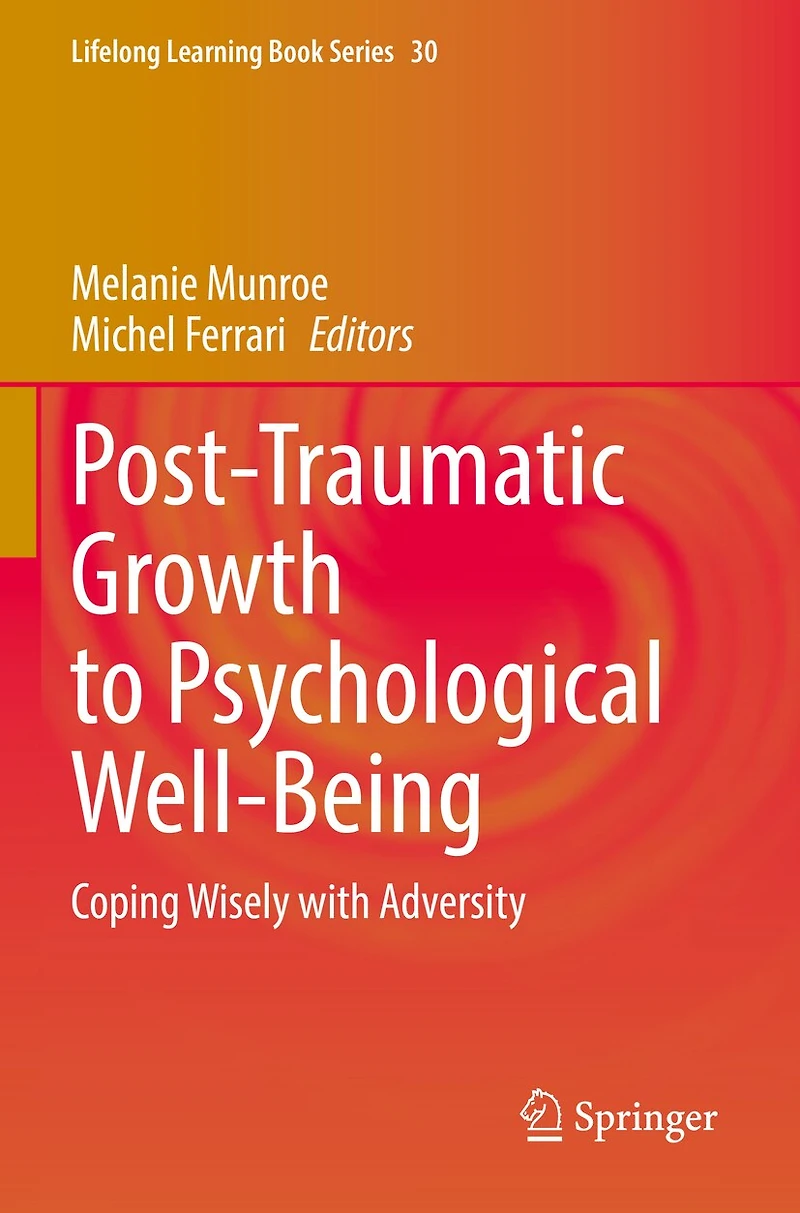
Post-Traumatic Growth to Psychological Well-Being: Coping Wisely with Adversity
Current price: $291.95

Post-Traumatic Growth to Psychological Well-Being: Coping Wisely with Adversity
Current price: $291.95
Loading Inventory...
Size: Paperback
*Product information may vary - to confirm product availability, pricing, shipping and return information please contact Indigo
This book explores 'why some people experience post-traumatic growth leading to greater wisdom and others do not' and suggests that a critical variable is how one copes with that trauma: individuals who actively reflect on their experiences of trauma should develop higher levels of self-transcendent wisdom. This same dynamic has been shown both in research studies of post-traumatic growth and by therapists working with people who have experienced trauma, but these two bodies of work have rarely been brought into direct conversation with each other. In this volume, wisdom researchers and therapists with direct experience with trauma survivors comment on each other's ideas about how coping with adversity can lead to wisdom, and how their proposed models of developing wisdom incorporate the act of coping with a stressful or traumatic event. Based on a synthetic integration of the recommendations in each chapter, the book concludes with the introduction of a new conceptual framework that can better help even individuals who experience significant stressors in their life to cope well and develop wisdom that will be both theoretically robust and practically useful.
This book explores 'why some people experience post-traumatic growth leading to greater wisdom and others do not' and suggests that a critical variable is how one copes with that trauma: individuals who actively reflect on their experiences of trauma should develop higher levels of self-transcendent wisdom. This same dynamic has been shown both in research studies of post-traumatic growth and by therapists working with people who have experienced trauma, but these two bodies of work have rarely been brought into direct conversation with each other. In this volume, wisdom researchers and therapists with direct experience with trauma survivors comment on each other's ideas about how coping with adversity can lead to wisdom, and how their proposed models of developing wisdom incorporate the act of coping with a stressful or traumatic event. Based on a synthetic integration of the recommendations in each chapter, the book concludes with the introduction of a new conceptual framework that can better help even individuals who experience significant stressors in their life to cope well and develop wisdom that will be both theoretically robust and practically useful.
You May Also Like








More About Indigo at Erin Mills Town Centre
The largest book retailer in Canada also offers toys, music, home décor, gifts and lifestyle products. What's Inside...Books, Magazines, CD’s and DVD’s, Toys and Gifts, Home Accents, Electronics, Baby’s and Children’s Section, Bath and Body, Kitchen and Bedroom, Stationary Located outside in the exterior plaza.
5015 Glen Erin Dr, Mississauga, ON L5M 0R7, Canada
Find Indigo at Erin Mills Town Centre in Mississauga ON
Visit Indigo at Erin Mills Town Centre in Mississauga ON