

GIVE THE PERFECT GIFT
Erin Mills Town Centre Gift Cards are the perfect choice for your gift giving needs.Purchase gift cards at kiosks near the food court or centre court, at Guest Services, or click below to purchase online.PURCHASE HEREHome
Potash: Deposits, processing, properties and uses
Indigo
Loading Inventory...
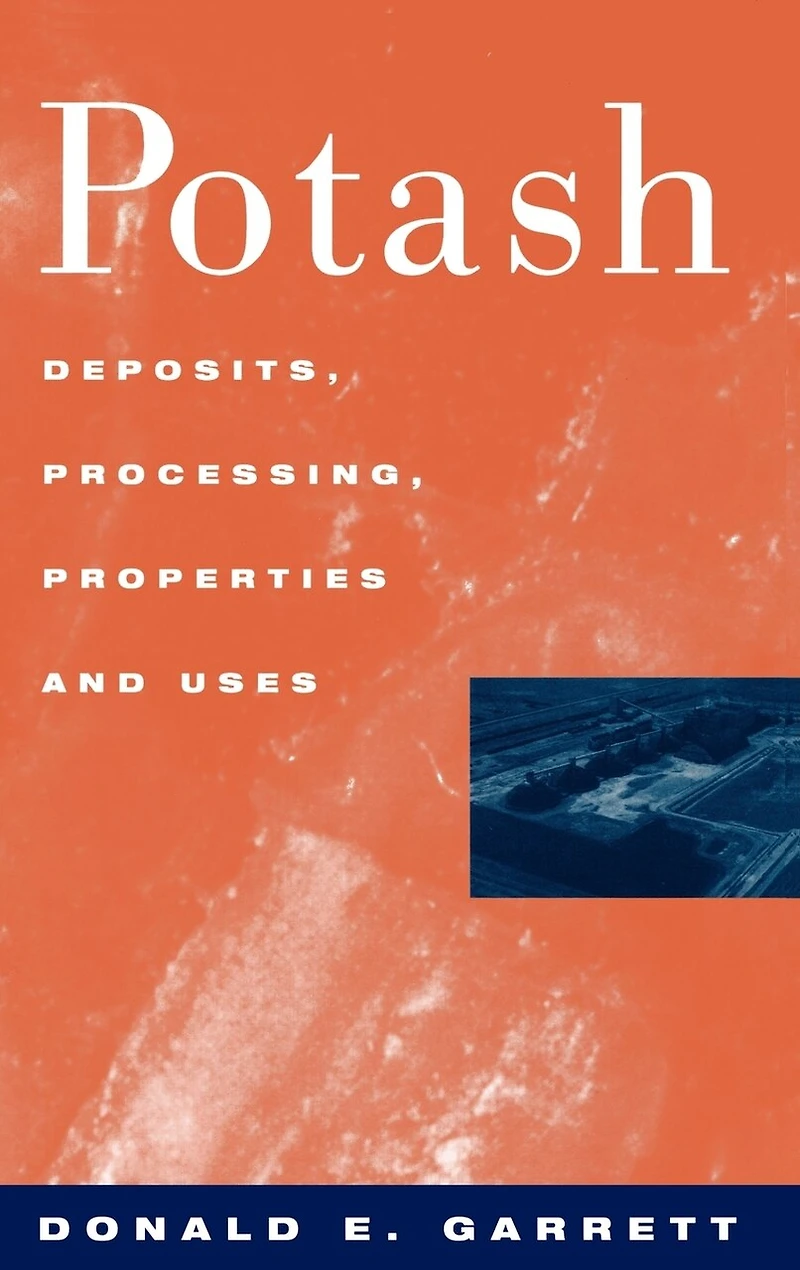
Potash: Deposits, processing, properties and uses
Current price: $779.95

Potash: Deposits, processing, properties and uses
Current price: $779.95
Loading Inventory...
Size: Hardcover
*Product information may vary - to confirm product availability, pricing, shipping and return information please contact Indigo
Potash is the term generally given to potassium chloride, but it is also loosely applied to the various potassium compounds used in agriculture: po- tassium sulfate, potassium nitrate or double salts of potassium and magne- sium sulfate (generally langbeinite, K S0 - 2MgS0 ). Sometimes the var- 2 4 4 ious compounds are differentiated by the terms muriate of potash, sulfate of potash, etc. When referring to ores, or in geology, all of the naturally- found potassium salts are called "potash ores". However, originally potash referred only to crude potassium carbonate, since its sole source was the leaching of wood ashes in large pots. This "pot ash" product was generally recovered from near-seacoast plants, such as the saltwort bush, whose ashes were richer in potassium than sodium carbonate. Inland plant's ashes were generally higher in sodium carbonate, giving rise to the word alkali from the Arabic word for soda ash, al kali. The term was then carried over after potassium was discovered to form the latin word for it, kalium. The recovery of potash from ashes became a thriving small cottage industry throughout the world's coastal areas, and developing economies, such as the early set- tlers in the United States were able to generate some much-needed income from its recovery and sale. This industry rapidly phased out with the advent of the LeBanc process for producing soda ash in 1792, and the discovery about the same time of the massive sodium-potassium nitrate deposits in the Atacama Desert of Chile.
Potash is the term generally given to potassium chloride, but it is also loosely applied to the various potassium compounds used in agriculture: po- tassium sulfate, potassium nitrate or double salts of potassium and magne- sium sulfate (generally langbeinite, K S0 - 2MgS0 ). Sometimes the var- 2 4 4 ious compounds are differentiated by the terms muriate of potash, sulfate of potash, etc. When referring to ores, or in geology, all of the naturally- found potassium salts are called "potash ores". However, originally potash referred only to crude potassium carbonate, since its sole source was the leaching of wood ashes in large pots. This "pot ash" product was generally recovered from near-seacoast plants, such as the saltwort bush, whose ashes were richer in potassium than sodium carbonate. Inland plant's ashes were generally higher in sodium carbonate, giving rise to the word alkali from the Arabic word for soda ash, al kali. The term was then carried over after potassium was discovered to form the latin word for it, kalium. The recovery of potash from ashes became a thriving small cottage industry throughout the world's coastal areas, and developing economies, such as the early set- tlers in the United States were able to generate some much-needed income from its recovery and sale. This industry rapidly phased out with the advent of the LeBanc process for producing soda ash in 1792, and the discovery about the same time of the massive sodium-potassium nitrate deposits in the Atacama Desert of Chile.
You May Also Like







More About Indigo at Erin Mills Town Centre
The largest book retailer in Canada also offers toys, music, home décor, gifts and lifestyle products. What's Inside...Books, Magazines, CD’s and DVD’s, Toys and Gifts, Home Accents, Electronics, Baby’s and Children’s Section, Bath and Body, Kitchen and Bedroom, Stationary Located outside in the exterior plaza.
5015 Glen Erin Dr, Mississauga, ON L5M 0R7, Canada
Find Indigo at Erin Mills Town Centre in Mississauga ON
Visit Indigo at Erin Mills Town Centre in Mississauga ON