

GIVE THE PERFECT GIFT
Erin Mills Town Centre Gift Cards are the perfect choice for your gift giving needs.Purchase gift cards at kiosks near the food court or centre court, at Guest Services, or click below to purchase online.PURCHASE HEREHome
Precarious Workers in the Gig Economy: Neoliberalism and its Discontents in Indonesia
Indigo
Loading Inventory...
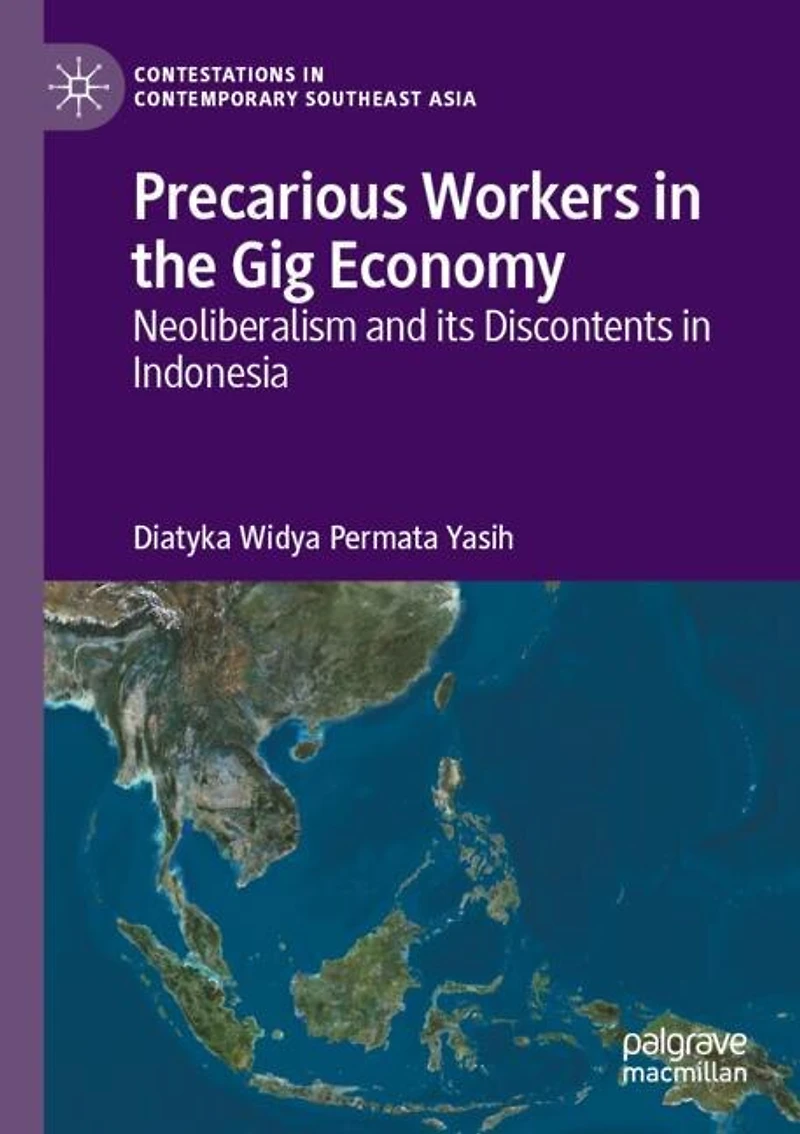
Precarious Workers in the Gig Economy: Neoliberalism and its Discontents in Indonesia
Current price: $233.95

Precarious Workers in the Gig Economy: Neoliberalism and its Discontents in Indonesia
Current price: $233.95
Loading Inventory...
Size: Paperback
*Product information may vary - to confirm product availability, pricing, shipping and return information please contact Indigo
This book focuses on gig work and organising among gig workers in the Indonesian online transport service, situated within the context of widespread precaritisation and digitalisation in today's world of work. It addresses the challenges experienced by precarious gig workers in Indonesia in articulating their struggles through the discourse of precarity. Such challenges are related to the reproduction of neoliberal-derived entrepreneurial aspirations amidst the historical relative absence of stable work patterns (previously associated with more advanced economies), and the historically rooted marginalisation of broad-based labour movements as a social force. Though showcasing the specific experiences of Indonesian workers, the analysis in this book is supplemented by broad comparative insights. It offers empirically based analysis for those interested in new forms of collective organisations and politics that emerge among workers under the imperatives of neoliberalism in Indonesia, and by extension Southeast Asia.
This book focuses on gig work and organising among gig workers in the Indonesian online transport service, situated within the context of widespread precaritisation and digitalisation in today's world of work. It addresses the challenges experienced by precarious gig workers in Indonesia in articulating their struggles through the discourse of precarity. Such challenges are related to the reproduction of neoliberal-derived entrepreneurial aspirations amidst the historical relative absence of stable work patterns (previously associated with more advanced economies), and the historically rooted marginalisation of broad-based labour movements as a social force. Though showcasing the specific experiences of Indonesian workers, the analysis in this book is supplemented by broad comparative insights. It offers empirically based analysis for those interested in new forms of collective organisations and politics that emerge among workers under the imperatives of neoliberalism in Indonesia, and by extension Southeast Asia.
You May Also Like
















More About Indigo at Erin Mills Town Centre
The largest book retailer in Canada also offers toys, music, home décor, gifts and lifestyle products. What's Inside...Books, Magazines, CD’s and DVD’s, Toys and Gifts, Home Accents, Electronics, Baby’s and Children’s Section, Bath and Body, Kitchen and Bedroom, Stationary Located outside in the exterior plaza.
5015 Glen Erin Dr, Mississauga, ON L5M 0R7, Canada
Find Indigo at Erin Mills Town Centre in Mississauga ON
Visit Indigo at Erin Mills Town Centre in Mississauga ON