

GIVE THE PERFECT GIFT
Erin Mills Town Centre Gift Cards are the perfect choice for your gift giving needs.Purchase gift cards at kiosks near the food court or centre court, at Guest Services, or click below to purchase online.PURCHASE HEREHome
Presidential Elections Iran: Islamic Idealism since the Revolution
Indigo
Loading Inventory...
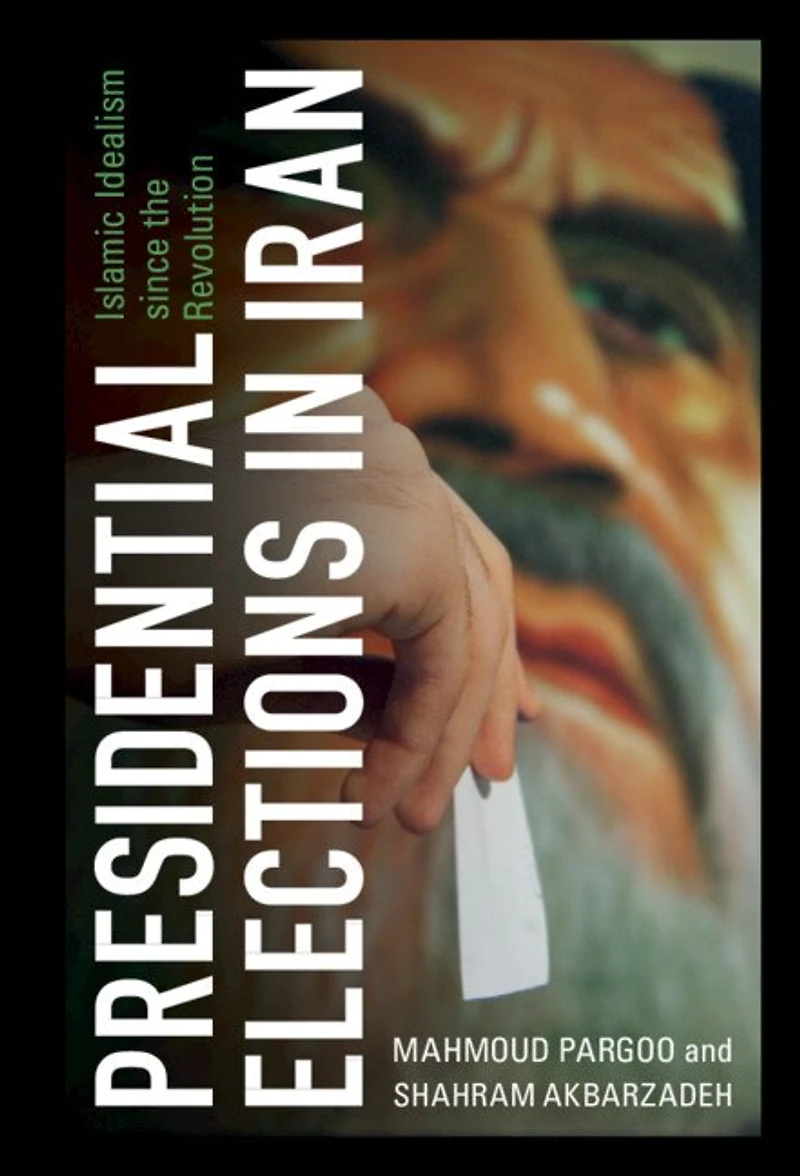
Presidential Elections Iran: Islamic Idealism since the Revolution
Current price: $108.95

Presidential Elections Iran: Islamic Idealism since the Revolution
Current price: $108.95
Loading Inventory...
Size: Hardcover
*Product information may vary - to confirm product availability, pricing, shipping and return information please contact Indigo
The dominant narrative of Iranian society and politics heralds the reformist movement as the epitome of Iran's transition to secularity, while conservative political forces are positioned as advocates of Islamization and a bulwark against secularization. Examining all the presidential elections since the revolution, Mahmoud Pargoo and Shahram Akbarzadeh argue that in contrast, political and cultural imagination and expectations in Iran have actually secularized regardless of the reformist/conservative divide. Exploring the evolution of campaign discourses from the 1980s elections which brought Abolhassan Banisadr, Mohammad-Ali Rajai and Ali Khamenei to power, to the more recent campaigns of Mohamad Khatami, Mahmoud Ahmadinejad and Hassan Rouhani, this book suggests that current debates in Iranian domestic politics are not between secularists and their opponents, but rather, between different kinds of secular forces.
The dominant narrative of Iranian society and politics heralds the reformist movement as the epitome of Iran's transition to secularity, while conservative political forces are positioned as advocates of Islamization and a bulwark against secularization. Examining all the presidential elections since the revolution, Mahmoud Pargoo and Shahram Akbarzadeh argue that in contrast, political and cultural imagination and expectations in Iran have actually secularized regardless of the reformist/conservative divide. Exploring the evolution of campaign discourses from the 1980s elections which brought Abolhassan Banisadr, Mohammad-Ali Rajai and Ali Khamenei to power, to the more recent campaigns of Mohamad Khatami, Mahmoud Ahmadinejad and Hassan Rouhani, this book suggests that current debates in Iranian domestic politics are not between secularists and their opponents, but rather, between different kinds of secular forces.
You May Also Like














More About Indigo at Erin Mills Town Centre
The largest book retailer in Canada also offers toys, music, home décor, gifts and lifestyle products. What's Inside...Books, Magazines, CD’s and DVD’s, Toys and Gifts, Home Accents, Electronics, Baby’s and Children’s Section, Bath and Body, Kitchen and Bedroom, Stationary Located outside in the exterior plaza.
5015 Glen Erin Dr, Mississauga, ON L5M 0R7, Canada
Find Indigo at Erin Mills Town Centre in Mississauga ON
Visit Indigo at Erin Mills Town Centre in Mississauga ON