

GIVE THE PERFECT GIFT
Erin Mills Town Centre Gift Cards are the perfect choice for your gift giving needs.Purchase gift cards at kiosks near the food court or centre court, at Guest Services, or click below to purchase online.PURCHASE HEREHome
Principles of Effective Literacy Instruction, Grades K-5
Indigo
Loading Inventory...
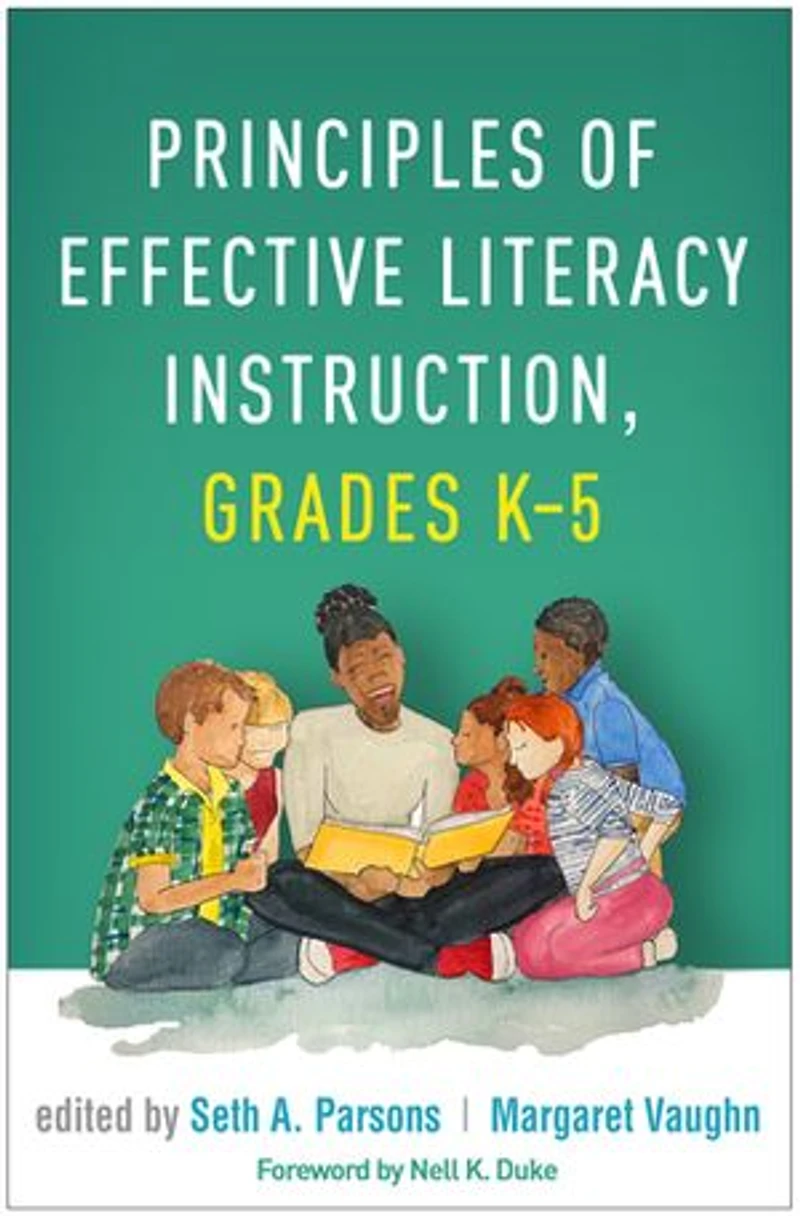
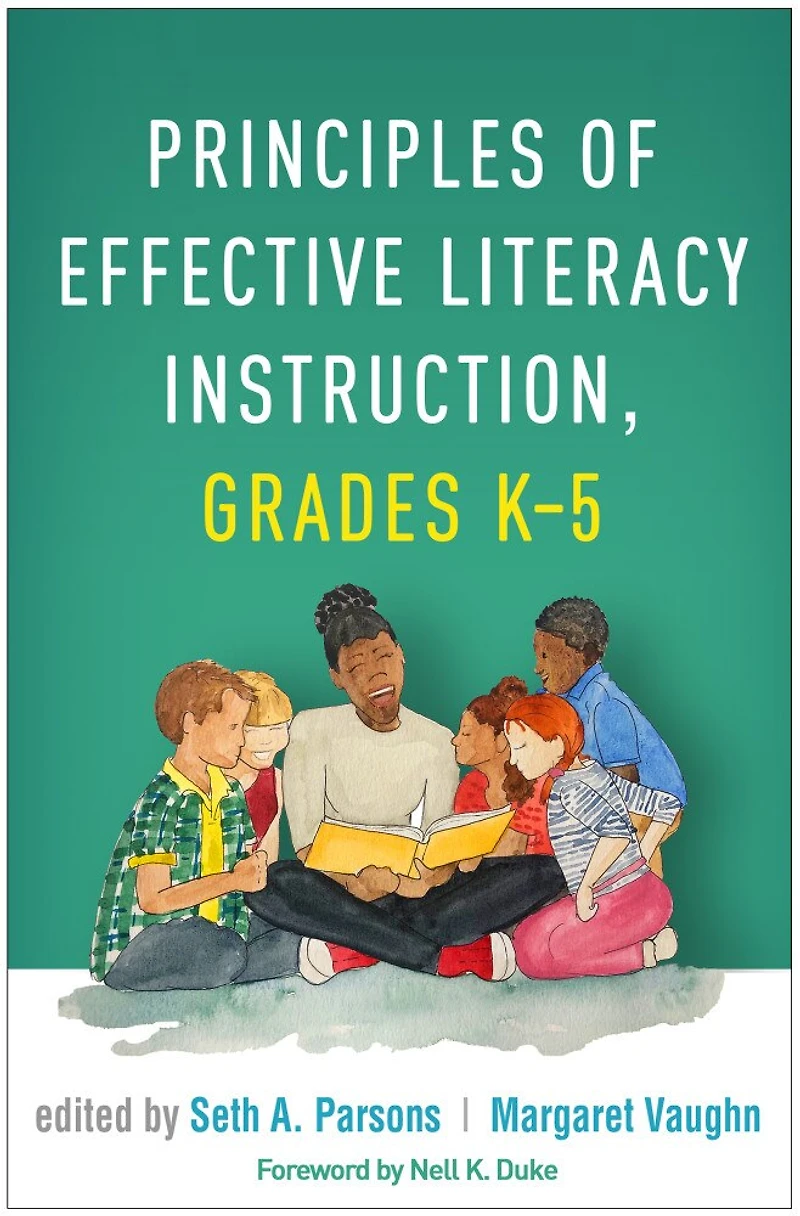
Principles of Effective Literacy Instruction, Grades K-5
Current price: $44.79
Original price: $56.00

Principles of Effective Literacy Instruction, Grades K-5
Current price: $44.79
Original price: $56.00
Loading Inventory...
Size: Kobo eBook
*Product information may vary - to confirm product availability, pricing, shipping and return information please contact Indigo
What are the principles that every elementary teacher must learn in order to plan and adapt successful literacy instruction? This concise course text and practitioner resource brings together leading experts to explain the guiding ideas that underlie effective instructional practice. Each chapter reviews one or more key principles and highlights ways to apply them flexibly in diverse classrooms and across grade levels and content areas. Chapters cover core instructional topics (phonemic awareness, phonics, fluency, vocabulary, and comprehension); high-quality learning environments; major issues such as assessment, differentiation, explicit instruction, equity, and culturally relevant pedagogy; and the importance of teachers' reflective practice and lifelong learning.
What are the principles that every elementary teacher must learn in order to plan and adapt successful literacy instruction? This concise course text and practitioner resource brings together leading experts to explain the guiding ideas that underlie effective instructional practice. Each chapter reviews one or more key principles and highlights ways to apply them flexibly in diverse classrooms and across grade levels and content areas. Chapters cover core instructional topics (phonemic awareness, phonics, fluency, vocabulary, and comprehension); high-quality learning environments; major issues such as assessment, differentiation, explicit instruction, equity, and culturally relevant pedagogy; and the importance of teachers' reflective practice and lifelong learning.
You May Also Like









More About Indigo at Erin Mills Town Centre
The largest book retailer in Canada also offers toys, music, home décor, gifts and lifestyle products. What's Inside...Books, Magazines, CD’s and DVD’s, Toys and Gifts, Home Accents, Electronics, Baby’s and Children’s Section, Bath and Body, Kitchen and Bedroom, Stationary Located outside in the exterior plaza.
5015 Glen Erin Dr, Mississauga, ON L5M 0R7, Canada
Find Indigo at Erin Mills Town Centre in Mississauga ON
Visit Indigo at Erin Mills Town Centre in Mississauga ON