

GIVE THE PERFECT GIFT
Erin Mills Town Centre Gift Cards are the perfect choice for your gift giving needs.Purchase gift cards at kiosks near the food court or centre court, at Guest Services, or click below to purchase online.PURCHASE HEREHome
Privileging Water Lima, Mexico City, and New Orleans: An Environmental History
Indigo
Loading Inventory...
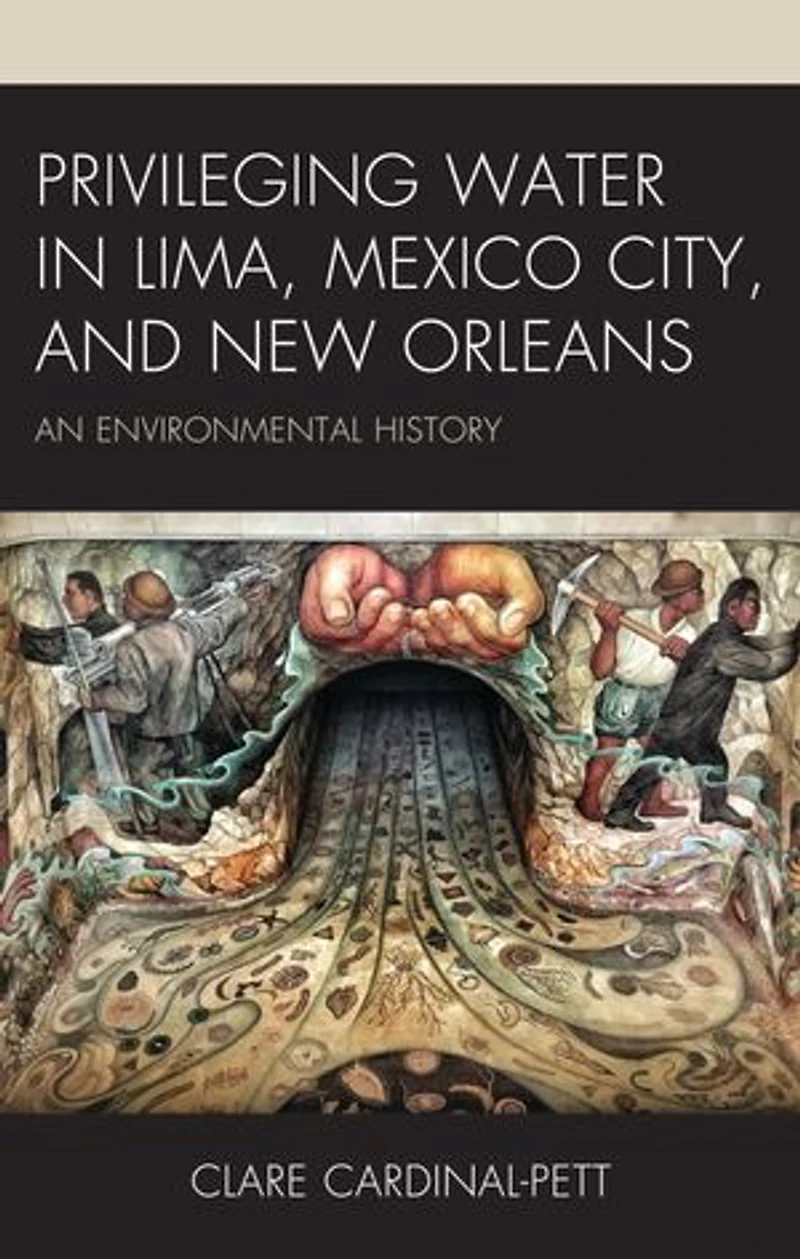
Privileging Water Lima, Mexico City, and New Orleans: An Environmental History
Current price: $110.99
Original price: $138.15

Privileging Water Lima, Mexico City, and New Orleans: An Environmental History
Current price: $110.99
Original price: $138.15
Loading Inventory...
Size: Kobo eBook
*Product information may vary - to confirm product availability, pricing, shipping and return information please contact Indigo
Privileging Water in Lima, Mexico City, and New Orleans: An Environmental History charts the development of the indigenous hydro-social territories and their colonial transformations into "modern" political ecologies. This book begins with a summary of the environmental histories of these regions before the arrival of people. To give water its due as an agent of historical processes, it is important to understand its role in shaping these three distinct ecosystems - a role it still plays today despite thousands of years of human intervention in the hydrological nature of those systems. It is certain that, as human-caused climate changes rework ecosystems worldwide, surviving the Anthropocene in Mexico City, New Orleans, and Lima will require other ways of knowing water - as hydro-social territories that challenge modern notions of urbanism and foreground ways of knowing formerly considered archaic. Following the inextricable histories of water and anthropogenic landscapes provokes many questions about the nature of cities, especially questions of environmental justice. The answers should not be abstract or universal. Instead, Clare Cardinal-Pett argues that urbanization on the planet must be reimagined and reconstructed as bio-regional systems and hydro-social territories that can be best defined more comprehensively as political ecologies.
Privileging Water in Lima, Mexico City, and New Orleans: An Environmental History charts the development of the indigenous hydro-social territories and their colonial transformations into "modern" political ecologies. This book begins with a summary of the environmental histories of these regions before the arrival of people. To give water its due as an agent of historical processes, it is important to understand its role in shaping these three distinct ecosystems - a role it still plays today despite thousands of years of human intervention in the hydrological nature of those systems. It is certain that, as human-caused climate changes rework ecosystems worldwide, surviving the Anthropocene in Mexico City, New Orleans, and Lima will require other ways of knowing water - as hydro-social territories that challenge modern notions of urbanism and foreground ways of knowing formerly considered archaic. Following the inextricable histories of water and anthropogenic landscapes provokes many questions about the nature of cities, especially questions of environmental justice. The answers should not be abstract or universal. Instead, Clare Cardinal-Pett argues that urbanization on the planet must be reimagined and reconstructed as bio-regional systems and hydro-social territories that can be best defined more comprehensively as political ecologies.
You May Also Like










More About Indigo at Erin Mills Town Centre
The largest book retailer in Canada also offers toys, music, home décor, gifts and lifestyle products. What's Inside...Books, Magazines, CD’s and DVD’s, Toys and Gifts, Home Accents, Electronics, Baby’s and Children’s Section, Bath and Body, Kitchen and Bedroom, Stationary Located outside in the exterior plaza.
5015 Glen Erin Dr, Mississauga, ON L5M 0R7, Canada
Find Indigo at Erin Mills Town Centre in Mississauga ON
Visit Indigo at Erin Mills Town Centre in Mississauga ON