

GIVE THE PERFECT GIFT
Erin Mills Town Centre Gift Cards are the perfect choice for your gift giving needs.Purchase gift cards at kiosks near the food court or centre court, at Guest Services, or click below to purchase online.PURCHASE HEREHome
Property Rights Contemporary Governance
Indigo
Loading Inventory...
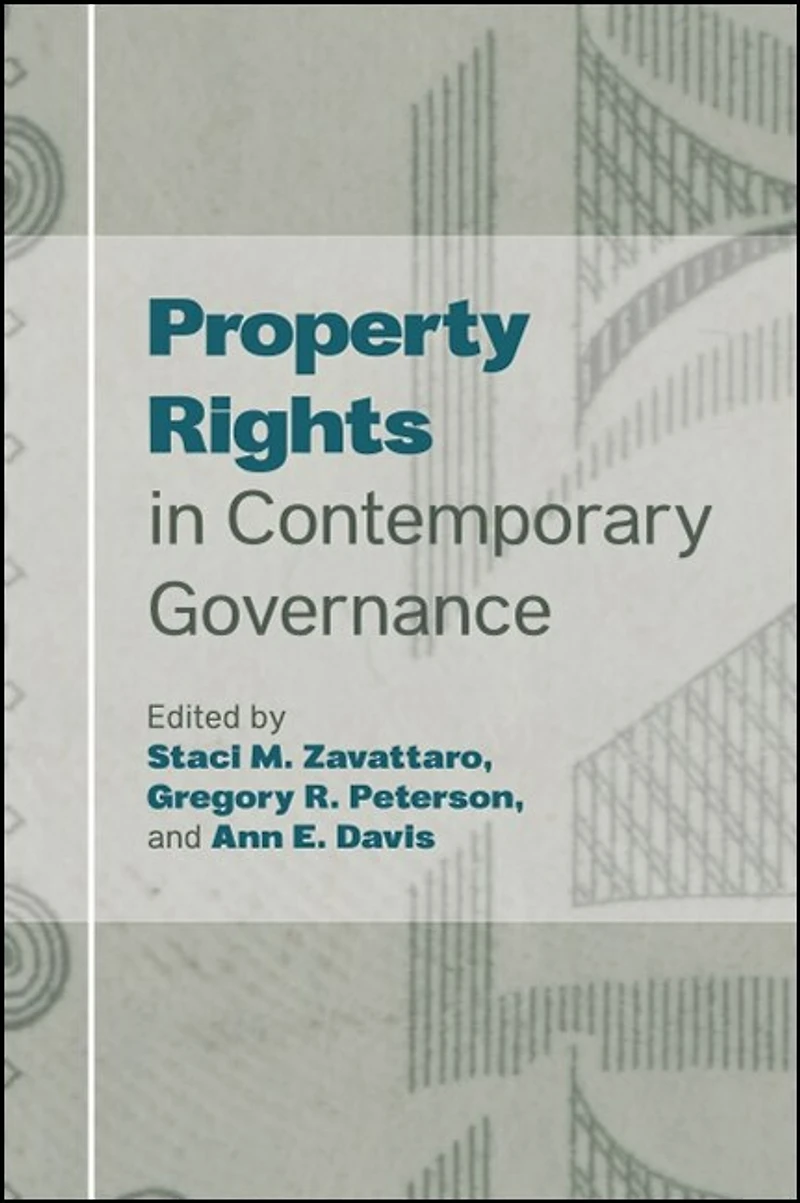
Property Rights Contemporary Governance
Current price: $135.95

Property Rights Contemporary Governance
Current price: $135.95
Loading Inventory...
Size: Hardcover
*Product information may vary - to confirm product availability, pricing, shipping and return information please contact Indigo
Examines how our diverse understandings of property impact real-world governing strategies.
Property is a concept that is seemingly simple to understand yet continually evolving in the face of cultural change and technological advance. Property Rights in Contemporary Governance examines the many meanings of property, how they have changed over time, and the roles they play in policy, society, and law. With its deeply interdisciplinary approach, the book offers perspectives from economics, environmental studies, history, law, philosophy, public administration, and public policy. The contributors discuss such topics as the origin of the corporation, the role of the takings law, the development of legal protections for financial instruments in nineteenth-century France, the impact of climate change, the shifts in philosophical conceptions of property required by advances in intellectual property rights, and the influence of new technologies, including drones. This is a comprehensive and thoughtful exploration of how our diverse understandings of property impact real-world governing strategies.
Examines how our diverse understandings of property impact real-world governing strategies.
Property is a concept that is seemingly simple to understand yet continually evolving in the face of cultural change and technological advance. Property Rights in Contemporary Governance examines the many meanings of property, how they have changed over time, and the roles they play in policy, society, and law. With its deeply interdisciplinary approach, the book offers perspectives from economics, environmental studies, history, law, philosophy, public administration, and public policy. The contributors discuss such topics as the origin of the corporation, the role of the takings law, the development of legal protections for financial instruments in nineteenth-century France, the impact of climate change, the shifts in philosophical conceptions of property required by advances in intellectual property rights, and the influence of new technologies, including drones. This is a comprehensive and thoughtful exploration of how our diverse understandings of property impact real-world governing strategies.
You May Also Like










More About Indigo at Erin Mills Town Centre
The largest book retailer in Canada also offers toys, music, home décor, gifts and lifestyle products. What's Inside...Books, Magazines, CD’s and DVD’s, Toys and Gifts, Home Accents, Electronics, Baby’s and Children’s Section, Bath and Body, Kitchen and Bedroom, Stationary Located outside in the exterior plaza.
5015 Glen Erin Dr, Mississauga, ON L5M 0R7, Canada
Find Indigo at Erin Mills Town Centre in Mississauga ON
Visit Indigo at Erin Mills Town Centre in Mississauga ON