

GIVE THE PERFECT GIFT
Erin Mills Town Centre Gift Cards are the perfect choice for your gift giving needs.Purchase gift cards at kiosks near the food court or centre court, at Guest Services, or click below to purchase online.PURCHASE HEREHome
Protecting Children Online?: Cyberbullying Policies of Social Media Companies
Indigo
Loading Inventory...
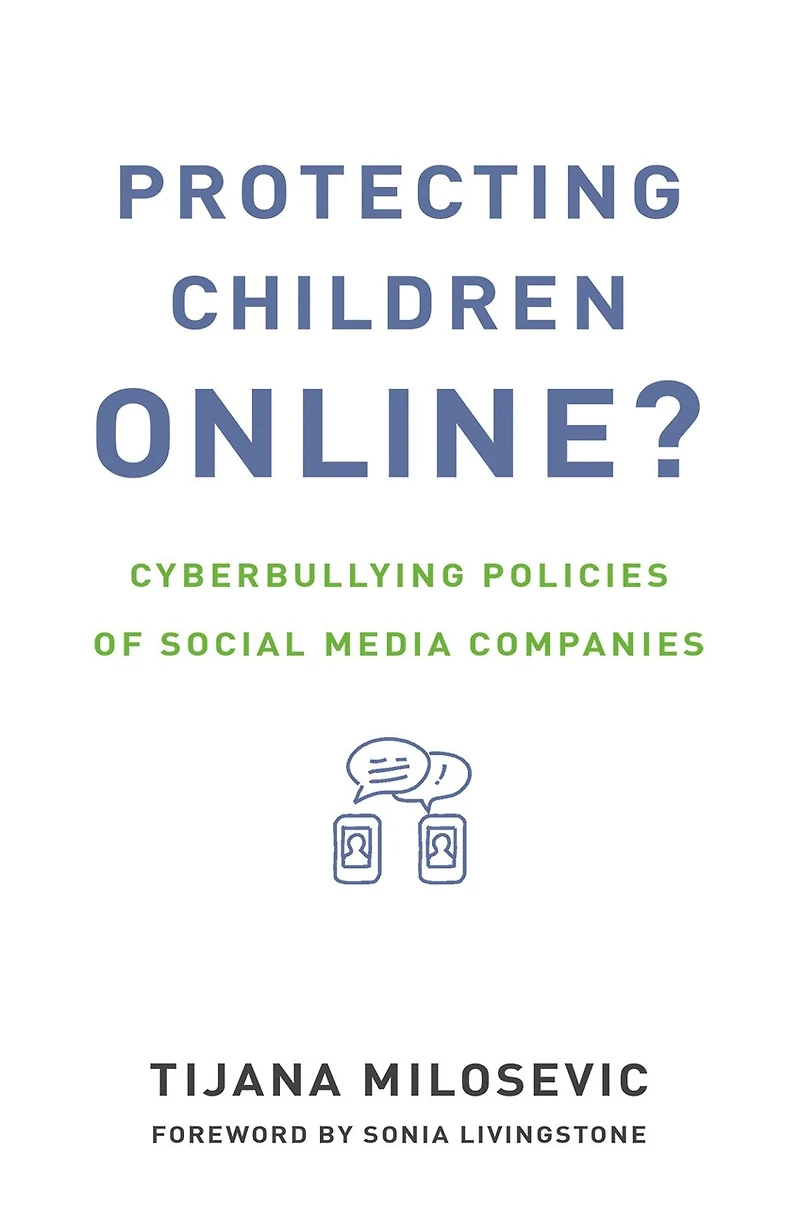
Protecting Children Online?: Cyberbullying Policies of Social Media Companies
Current price: $47.00

Protecting Children Online?: Cyberbullying Policies of Social Media Companies
Current price: $47.00
Loading Inventory...
Size: Hardcover
*Product information may vary - to confirm product availability, pricing, shipping and return information please contact Indigo
A critical examination of efforts by social media companies—including Facebook, Twitter, Snapchat, and Instagram—to rein in cyberbullying by young users. High-profile cyberbullying cases often trigger exaggerated public concern about children's use of social media. Large companies like Facebook respond by pointing to their existing anti-bullying mechanisms or coordinate with nongovernmental organizations to organize anti-cyberbullying efforts. Do these attempts at self-regulation work? In this book, Tijana Milosevic examines the effectiveness of efforts by social media companies—including Facebook, Twitter, YouTube, Snapchat, and Instagram—to rein in cyberbullying by young users. Milosevic analyzes the anti-bullying policies of fourteen major social media companies, as recorded in companies' corporate documents, draws on interviews with company representatives and e-safety experts, and details the roles of nongovernmental organizations examining their ability to provide critical independent advice. She draws attention to lack of transparency in how companies handle bullying cases, emphasizing the need for a continuous independent evaluation of effectiveness of companies' mechanisms, especially from children's perspective. Milosevic argues that cyberbullying should be viewed in the context of children's rights and as part of the larger social problem of the culture of humiliation. Milosevic looks into five digital bullying cases related to suicides, examining the pressures on the social media companies involved, the nature of the public discussion, and subsequent government regulation that did not necessarily address the problem in a way that benefits children. She emphasizes the need not only for protection but also for participation and empowerment—for finding a way to protect the vulnerable while ensuring the child's right to participate in digital spaces.
A critical examination of efforts by social media companies—including Facebook, Twitter, Snapchat, and Instagram—to rein in cyberbullying by young users. High-profile cyberbullying cases often trigger exaggerated public concern about children's use of social media. Large companies like Facebook respond by pointing to their existing anti-bullying mechanisms or coordinate with nongovernmental organizations to organize anti-cyberbullying efforts. Do these attempts at self-regulation work? In this book, Tijana Milosevic examines the effectiveness of efforts by social media companies—including Facebook, Twitter, YouTube, Snapchat, and Instagram—to rein in cyberbullying by young users. Milosevic analyzes the anti-bullying policies of fourteen major social media companies, as recorded in companies' corporate documents, draws on interviews with company representatives and e-safety experts, and details the roles of nongovernmental organizations examining their ability to provide critical independent advice. She draws attention to lack of transparency in how companies handle bullying cases, emphasizing the need for a continuous independent evaluation of effectiveness of companies' mechanisms, especially from children's perspective. Milosevic argues that cyberbullying should be viewed in the context of children's rights and as part of the larger social problem of the culture of humiliation. Milosevic looks into five digital bullying cases related to suicides, examining the pressures on the social media companies involved, the nature of the public discussion, and subsequent government regulation that did not necessarily address the problem in a way that benefits children. She emphasizes the need not only for protection but also for participation and empowerment—for finding a way to protect the vulnerable while ensuring the child's right to participate in digital spaces.
You May Also Like


















More About Indigo at Erin Mills Town Centre
The largest book retailer in Canada also offers toys, music, home décor, gifts and lifestyle products. What's Inside...Books, Magazines, CD’s and DVD’s, Toys and Gifts, Home Accents, Electronics, Baby’s and Children’s Section, Bath and Body, Kitchen and Bedroom, Stationary Located outside in the exterior plaza.
5015 Glen Erin Dr, Mississauga, ON L5M 0R7, Canada
Find Indigo at Erin Mills Town Centre in Mississauga ON
Visit Indigo at Erin Mills Town Centre in Mississauga ON