

GIVE THE PERFECT GIFT
Erin Mills Town Centre Gift Cards are the perfect choice for your gift giving needs.Purchase gift cards at kiosks near the food court or centre court, at Guest Services, or click below to purchase online.PURCHASE HEREHome
Protectors of Pluralism: Religious Minorities and the Rescue Jews Low Countries during Holocaust
Indigo
Loading Inventory...
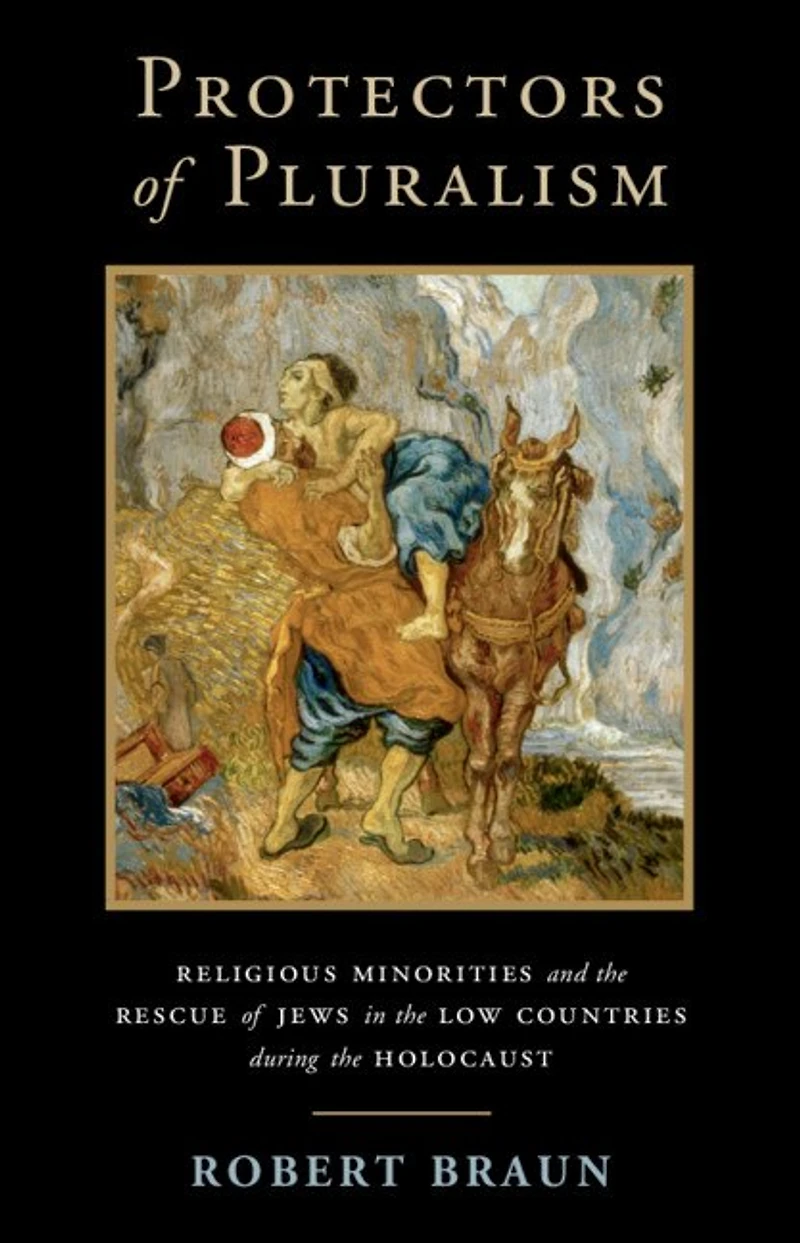
Protectors of Pluralism: Religious Minorities and the Rescue Jews Low Countries during Holocaust
Current price: $160.95

Protectors of Pluralism: Religious Minorities and the Rescue Jews Low Countries during Holocaust
Current price: $160.95
Loading Inventory...
Size: Hardcover
*Product information may vary - to confirm product availability, pricing, shipping and return information please contact Indigo
Protectors of Pluralism argues that local religious minorities are more likely to save persecuted groups from purification campaigns. Robert Braun utilizes a geo-referenced dataset of Jewish evasion in the Netherlands and Belgium during the Holocaust to assess the minority hypothesis. Spatial statistics and archival work reveal that Protestants were more likely to rescue Jews in Catholic regions of the Low Countries, while Catholics facilitated evasion in Protestant areas. Post-war testimonies and secondary literature demonstrate the importance of minority groups for rescue in other countries during the Holocaust as well as other episodes of mass violence, underlining how the local position of church communities produces networks of assistance, rather than something inherent to any religion itself. This book makes an important contribution to the literature on political violence, social movements, altruism and religion, applying a range of social science methodologies and theories that shed new light on the Holocaust.
Protectors of Pluralism argues that local religious minorities are more likely to save persecuted groups from purification campaigns. Robert Braun utilizes a geo-referenced dataset of Jewish evasion in the Netherlands and Belgium during the Holocaust to assess the minority hypothesis. Spatial statistics and archival work reveal that Protestants were more likely to rescue Jews in Catholic regions of the Low Countries, while Catholics facilitated evasion in Protestant areas. Post-war testimonies and secondary literature demonstrate the importance of minority groups for rescue in other countries during the Holocaust as well as other episodes of mass violence, underlining how the local position of church communities produces networks of assistance, rather than something inherent to any religion itself. This book makes an important contribution to the literature on political violence, social movements, altruism and religion, applying a range of social science methodologies and theories that shed new light on the Holocaust.
You May Also Like











More About Indigo at Erin Mills Town Centre
The largest book retailer in Canada also offers toys, music, home décor, gifts and lifestyle products. What's Inside...Books, Magazines, CD’s and DVD’s, Toys and Gifts, Home Accents, Electronics, Baby’s and Children’s Section, Bath and Body, Kitchen and Bedroom, Stationary Located outside in the exterior plaza.
5015 Glen Erin Dr, Mississauga, ON L5M 0R7, Canada
Find Indigo at Erin Mills Town Centre in Mississauga ON
Visit Indigo at Erin Mills Town Centre in Mississauga ON