

GIVE THE PERFECT GIFT
Erin Mills Town Centre Gift Cards are the perfect choice for your gift giving needs.Purchase gift cards at kiosks near the food court or centre court, at Guest Services, or click below to purchase online.PURCHASE HEREHome
Protein Secretion Pathways in Bacteria
Indigo
Loading Inventory...
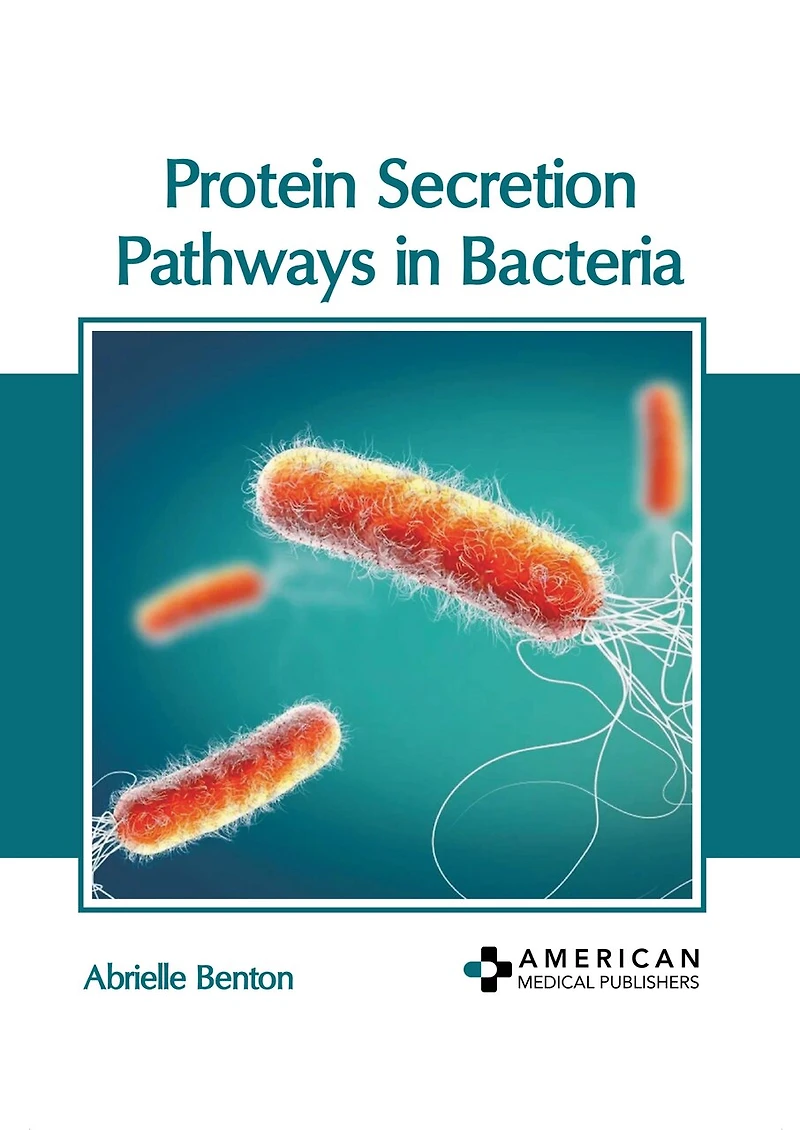
Protein Secretion Pathways in Bacteria
Current price: $212.15

Protein Secretion Pathways in Bacteria
Current price: $212.15
Loading Inventory...
Size: Hardcover
*Product information may vary - to confirm product availability, pricing, shipping and return information please contact Indigo
Bacteria are living organisms found ubiquitously in nature and have only one biological cell. They constitute a wide domain of prokaryotic microorganisms. In bacteria, unfolded proteins are transported through the secretion pathways across the cytoplasmic membrane. This transportation consists of three parts, which include a protein targeting component, a motor protein and membrane integrated conducting channel. Bacteria have a range of protein transportation pathways, which are necessary for functions like pathogenicity and viability. Generally, bacterial secretion comprises secretion of unfolded proteins which primarily remain within the cells. In case of gram-negative bacteria, secreted proteins are delivered to inner membrane or the periplasm. The protein can remain in the cell or it is usually transported out of the bacteria via other secretion systems. Klebsiella pneumonia, Yersinia enterocolitica and Vibrio cholerae are the gram-negative bacteria that utilize the secretion system. Gram-positive bacteria that utilize the secretion system include Listeria monocytogenes and Staphylococcus aureus. This book covers in detail some existent theories and innovative concepts revolving on the protein secretion pathways in bacteria. It will provide comprehensive knowledge to the readers.
Bacteria are living organisms found ubiquitously in nature and have only one biological cell. They constitute a wide domain of prokaryotic microorganisms. In bacteria, unfolded proteins are transported through the secretion pathways across the cytoplasmic membrane. This transportation consists of three parts, which include a protein targeting component, a motor protein and membrane integrated conducting channel. Bacteria have a range of protein transportation pathways, which are necessary for functions like pathogenicity and viability. Generally, bacterial secretion comprises secretion of unfolded proteins which primarily remain within the cells. In case of gram-negative bacteria, secreted proteins are delivered to inner membrane or the periplasm. The protein can remain in the cell or it is usually transported out of the bacteria via other secretion systems. Klebsiella pneumonia, Yersinia enterocolitica and Vibrio cholerae are the gram-negative bacteria that utilize the secretion system. Gram-positive bacteria that utilize the secretion system include Listeria monocytogenes and Staphylococcus aureus. This book covers in detail some existent theories and innovative concepts revolving on the protein secretion pathways in bacteria. It will provide comprehensive knowledge to the readers.
You May Also Like












More About Indigo at Erin Mills Town Centre
The largest book retailer in Canada also offers toys, music, home décor, gifts and lifestyle products. What's Inside...Books, Magazines, CD’s and DVD’s, Toys and Gifts, Home Accents, Electronics, Baby’s and Children’s Section, Bath and Body, Kitchen and Bedroom, Stationary Located outside in the exterior plaza.
5015 Glen Erin Dr, Mississauga, ON L5M 0R7, Canada
Find Indigo at Erin Mills Town Centre in Mississauga ON
Visit Indigo at Erin Mills Town Centre in Mississauga ON