

GIVE THE PERFECT GIFT
Erin Mills Town Centre Gift Cards are the perfect choice for your gift giving needs.Purchase gift cards at kiosks near the food court or centre court, at Guest Services, or click below to purchase online.PURCHASE HEREHome
Psychoanalytic Credos: Personal And Professional Journeys Of Psychoanalysts
Indigo
Loading Inventory...
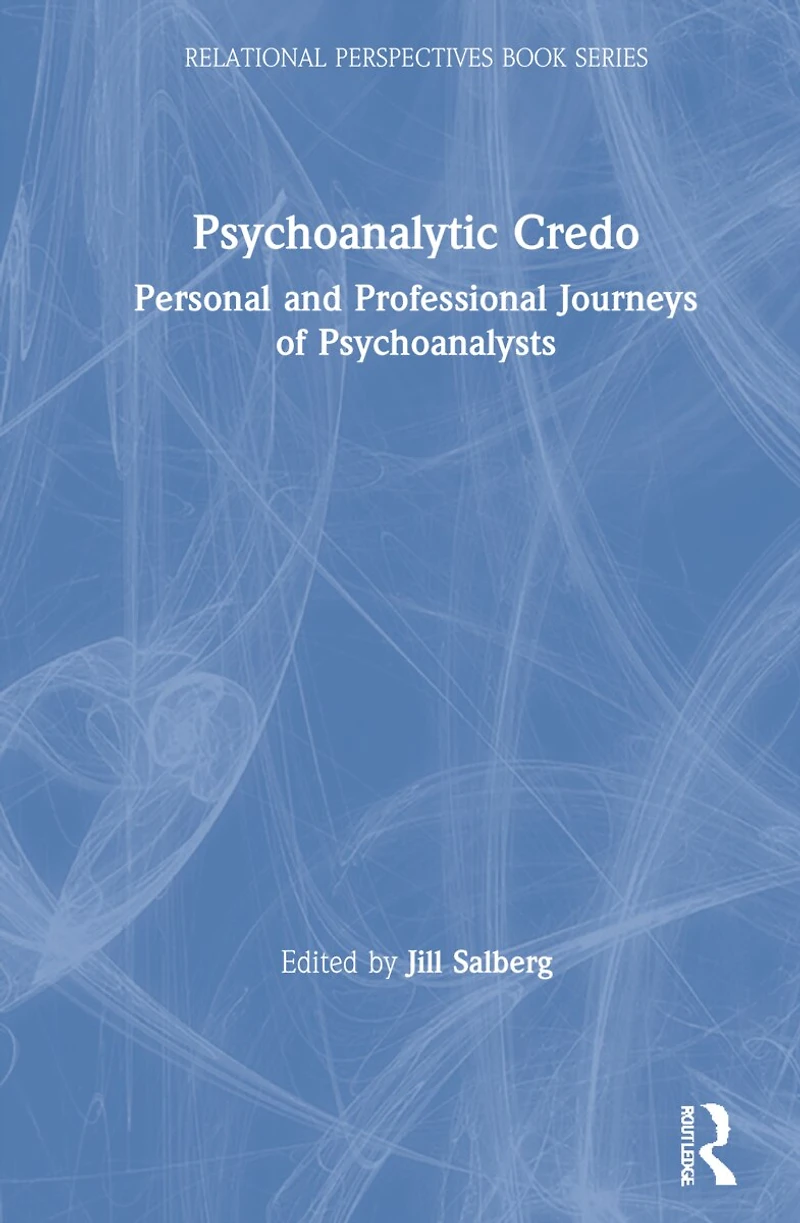
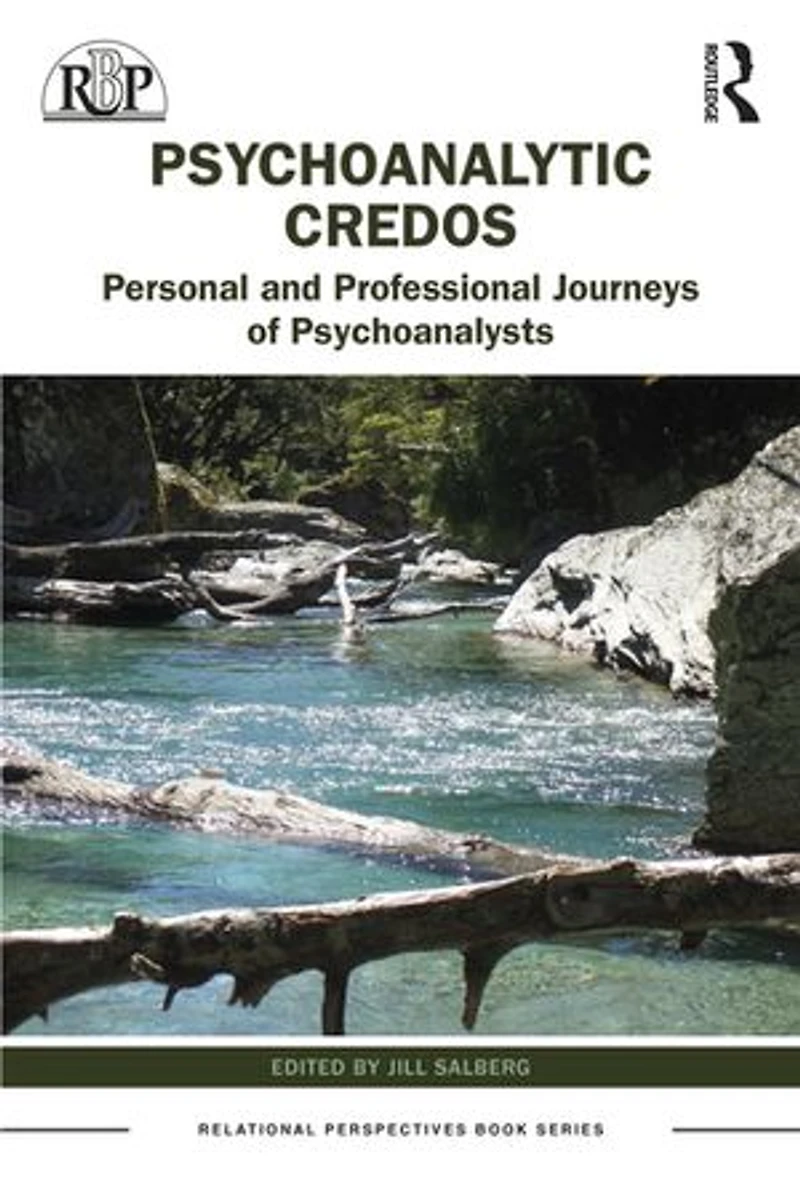
Psychoanalytic Credos: Personal And Professional Journeys Of Psychoanalysts
Current price: $346.50

Psychoanalytic Credos: Personal And Professional Journeys Of Psychoanalysts
Current price: $346.50
Loading Inventory...
Size: Hardcover
*Product information may vary - to confirm product availability, pricing, shipping and return information please contact Indigo
Developing psychoanalytic credos, a set of beliefs that inform how you listen and approach the analytic enterprise with patients, is in many ways the scaffolding of psychoanalytic training. Drawing upon Mannie Ghent's original Credo essay, 27 psychoanalysts were asked to write their credos and/or their psychoanalytic journey. This book represents a multi-theoretical and multi-generational grouping, trained at different institutes, during different eras (grouped by decades 1960-2000) and across cultures. They are drawn from analysts identified with Relational, Object Relations, Contemporary Freudians and Kleinian/Bionian perspectives as well as those who don't easily fit categorization. This book serves to provide companionship to analysts in training, as part of reading lists in institutes as well as analysts post-training and yet still evolving in their psychoanalytic journey.
Developing psychoanalytic credos, a set of beliefs that inform how you listen and approach the analytic enterprise with patients, is in many ways the scaffolding of psychoanalytic training. Drawing upon Mannie Ghent's original Credo essay, 27 psychoanalysts were asked to write their credos and/or their psychoanalytic journey. This book represents a multi-theoretical and multi-generational grouping, trained at different institutes, during different eras (grouped by decades 1960-2000) and across cultures. They are drawn from analysts identified with Relational, Object Relations, Contemporary Freudians and Kleinian/Bionian perspectives as well as those who don't easily fit categorization. This book serves to provide companionship to analysts in training, as part of reading lists in institutes as well as analysts post-training and yet still evolving in their psychoanalytic journey.
You May Also Like








More About Indigo at Erin Mills Town Centre
The largest book retailer in Canada also offers toys, music, home décor, gifts and lifestyle products. What's Inside...Books, Magazines, CD’s and DVD’s, Toys and Gifts, Home Accents, Electronics, Baby’s and Children’s Section, Bath and Body, Kitchen and Bedroom, Stationary Located outside in the exterior plaza.
5015 Glen Erin Dr, Mississauga, ON L5M 0R7, Canada
Find Indigo at Erin Mills Town Centre in Mississauga ON
Visit Indigo at Erin Mills Town Centre in Mississauga ON