

GIVE THE PERFECT GIFT
Erin Mills Town Centre Gift Cards are the perfect choice for your gift giving needs.Purchase gift cards at kiosks near the food court or centre court, at Guest Services, or click below to purchase online.PURCHASE HEREHome
Public Accountability and Health Care Governance: Public Management Reforms Between Austerity and Democracy
Indigo
Loading Inventory...
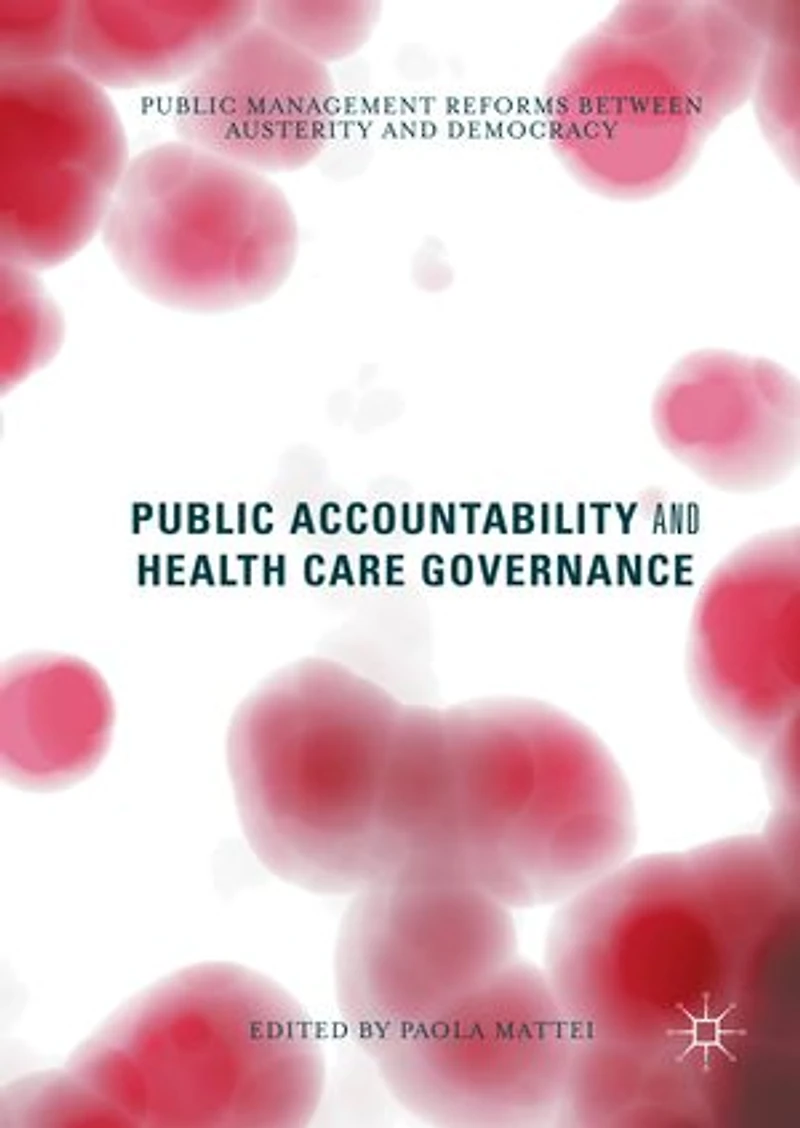
Public Accountability and Health Care Governance: Public Management Reforms Between Austerity and Democracy
Current price: $116.09
Original price: $145.12

Public Accountability and Health Care Governance: Public Management Reforms Between Austerity and Democracy
Current price: $116.09
Original price: $145.12
Loading Inventory...
Size: Kobo eBook
*Product information may vary - to confirm product availability, pricing, shipping and return information please contact Indigo
This book deals with the critical empirical void created by the speed at which healthcare restructuring has taken place in Europe. Chapters explore the political uncertainty and budgetary pressures which have led governments increasingly to turn to New Public Management (NPM)-style reforms to attempt to balance the financial viability of public health structures, with democratic imperatives to maintain socially just outcomes. The authors of this volume consider how governments have therefore shifted identities from principal care providers to contractual monitors, setting targets increasingly directed toward third-party managers in quasi-markets and the private sector. Drawing upon extensive data from Germany, Norway, the Netherlands, and Israel, the contributions explore the often unexpected policy outputs and outcomes engendered by such reforms.
This book deals with the critical empirical void created by the speed at which healthcare restructuring has taken place in Europe. Chapters explore the political uncertainty and budgetary pressures which have led governments increasingly to turn to New Public Management (NPM)-style reforms to attempt to balance the financial viability of public health structures, with democratic imperatives to maintain socially just outcomes. The authors of this volume consider how governments have therefore shifted identities from principal care providers to contractual monitors, setting targets increasingly directed toward third-party managers in quasi-markets and the private sector. Drawing upon extensive data from Germany, Norway, the Netherlands, and Israel, the contributions explore the often unexpected policy outputs and outcomes engendered by such reforms.
You May Also Like













More About Indigo at Erin Mills Town Centre
The largest book retailer in Canada also offers toys, music, home décor, gifts and lifestyle products. What's Inside...Books, Magazines, CD’s and DVD’s, Toys and Gifts, Home Accents, Electronics, Baby’s and Children’s Section, Bath and Body, Kitchen and Bedroom, Stationary Located outside in the exterior plaza.
5015 Glen Erin Dr, Mississauga, ON L5M 0R7, Canada
Find Indigo at Erin Mills Town Centre in Mississauga ON
Visit Indigo at Erin Mills Town Centre in Mississauga ON