

GIVE THE PERFECT GIFT
Erin Mills Town Centre Gift Cards are the perfect choice for your gift giving needs.Purchase gift cards at kiosks near the food court or centre court, at Guest Services, or click below to purchase online.PURCHASE HEREHome
Quest for the High Ground: The Development of Sead Strategy
Indigo
Loading Inventory...
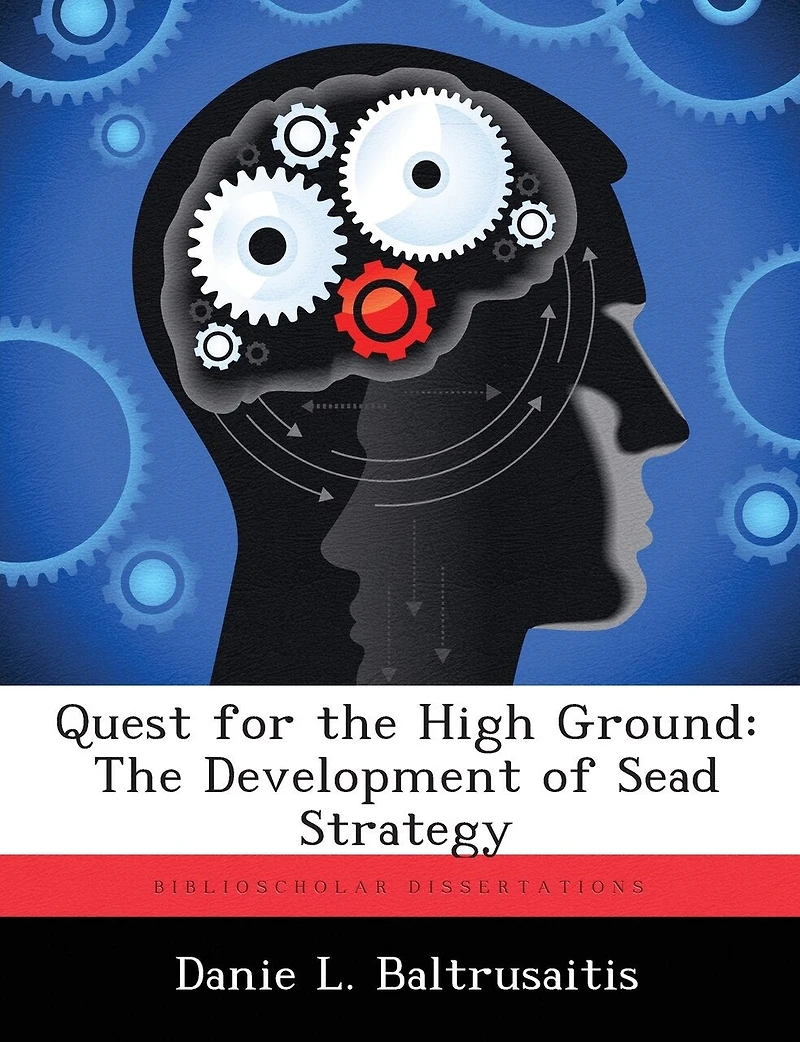
Quest for the High Ground: The Development of Sead Strategy
Current price: $59.00

Quest for the High Ground: The Development of Sead Strategy
Current price: $59.00
Loading Inventory...
Size: Paperback
*Product information may vary - to confirm product availability, pricing, shipping and return information please contact Indigo
The danger of surface-to-air defenses grows as the nature of US conflicts continues to change. Ground based defenses promise attrition while forcing air forces into standoff range. Furthermore, ground-based defenses cost less and require less training than airborne systems; definite advantages for third world adversaries. Coalition performance in the Gulf War showed future adversaries that they would suffer tremendously by trying to match symmetrically US airpower capability. US strategists should expect enemy systems in the future aimed at causality sensitivity in situations where US vital interests are not at stake. These issues illuminate the need to make defense suppression a planning priority to ensure air superiority. Although air superiority relies on defeating both the air-to-air and surface-to-air defense, this study examines only one element in the quest for air superiority -- the suppression of enemy air defenses (SEAD). This study determines how SEAD operational objectives change with the nature and maturity of an air campaign and categorize SEAD objectives and strategy.
The danger of surface-to-air defenses grows as the nature of US conflicts continues to change. Ground based defenses promise attrition while forcing air forces into standoff range. Furthermore, ground-based defenses cost less and require less training than airborne systems; definite advantages for third world adversaries. Coalition performance in the Gulf War showed future adversaries that they would suffer tremendously by trying to match symmetrically US airpower capability. US strategists should expect enemy systems in the future aimed at causality sensitivity in situations where US vital interests are not at stake. These issues illuminate the need to make defense suppression a planning priority to ensure air superiority. Although air superiority relies on defeating both the air-to-air and surface-to-air defense, this study examines only one element in the quest for air superiority -- the suppression of enemy air defenses (SEAD). This study determines how SEAD operational objectives change with the nature and maturity of an air campaign and categorize SEAD objectives and strategy.
You May Also Like













More About Indigo at Erin Mills Town Centre
The largest book retailer in Canada also offers toys, music, home décor, gifts and lifestyle products. What's Inside...Books, Magazines, CD’s and DVD’s, Toys and Gifts, Home Accents, Electronics, Baby’s and Children’s Section, Bath and Body, Kitchen and Bedroom, Stationary Located outside in the exterior plaza.
5015 Glen Erin Dr, Mississauga, ON L5M 0R7, Canada
Find Indigo at Erin Mills Town Centre in Mississauga ON
Visit Indigo at Erin Mills Town Centre in Mississauga ON