

GIVE THE PERFECT GIFT
Erin Mills Town Centre Gift Cards are the perfect choice for your gift giving needs.Purchase gift cards at kiosks near the food court or centre court, at Guest Services, or click below to purchase online.PURCHASE HEREHome
Rapport and the Discursive Co-Construction of Social Relations Fieldwork Encounters
Indigo
Loading Inventory...
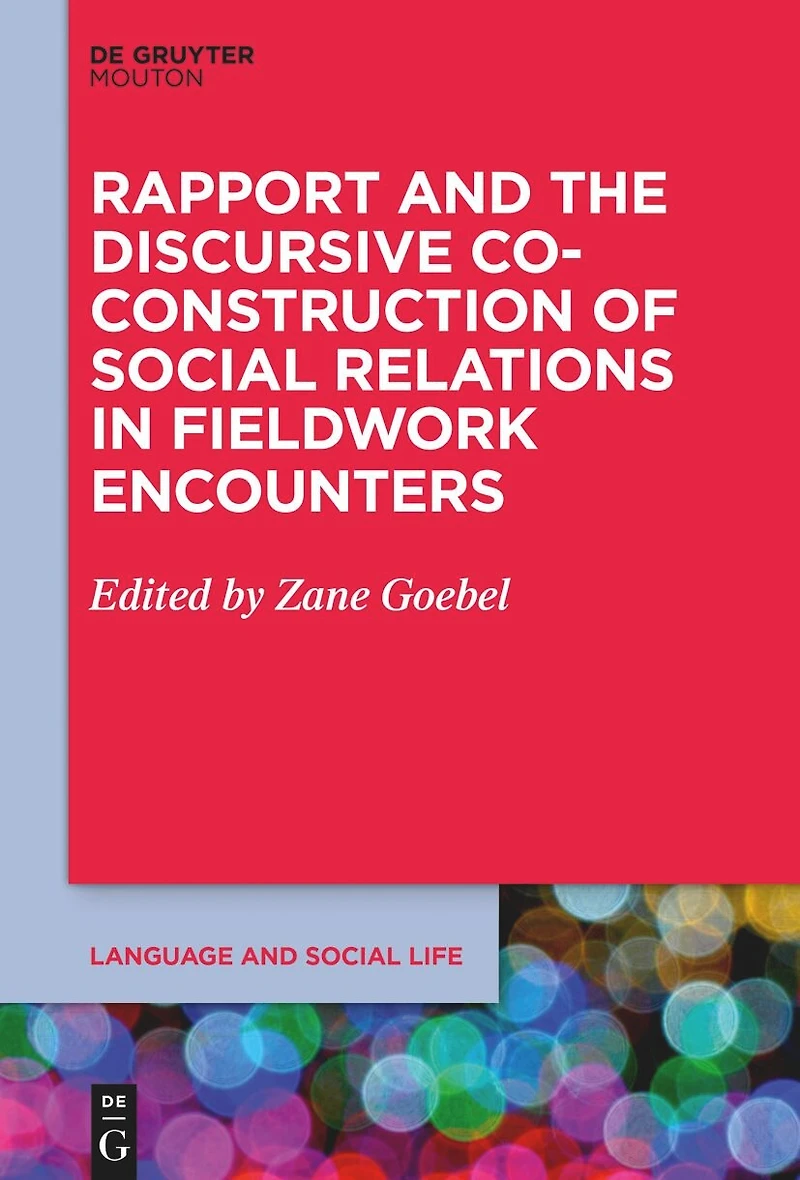
Rapport and the Discursive Co-Construction of Social Relations Fieldwork Encounters
Current price: $191.99

Rapport and the Discursive Co-Construction of Social Relations Fieldwork Encounters
Current price: $191.99
Loading Inventory...
Size: Hardcover
*Product information may vary - to confirm product availability, pricing, shipping and return information please contact Indigo
In accounts of ethnographic fieldwork and textbooks on ethnography, we often find the notion of rapport used to describe social relationships in the field. Frequently, rapport between researcher and researched is invoked as a prerequisite to be achieved before fieldwork can start, or used as evidence to judge the value and robustness of an ethnography. With few exceptions, and despite regular pleas to do so, ethnographers continue to avoid presenting any discursive evidence of what rapport might look like from an interactional perspective. In a sense, the uncritical acceptance of rapport as a fieldwork goal and measure has helped hide the discursive work that goes on in the field. In turn, this has privileged ideas about identity as portable rather than “portable and emergent”, and reports of social life as more important than how such reports emerge. Written for all those who engage or plan to engage in ethnographic fieldwork, this collection examines how social relationships dialogically emerge in fieldwork settings.
In accounts of ethnographic fieldwork and textbooks on ethnography, we often find the notion of rapport used to describe social relationships in the field. Frequently, rapport between researcher and researched is invoked as a prerequisite to be achieved before fieldwork can start, or used as evidence to judge the value and robustness of an ethnography. With few exceptions, and despite regular pleas to do so, ethnographers continue to avoid presenting any discursive evidence of what rapport might look like from an interactional perspective. In a sense, the uncritical acceptance of rapport as a fieldwork goal and measure has helped hide the discursive work that goes on in the field. In turn, this has privileged ideas about identity as portable rather than “portable and emergent”, and reports of social life as more important than how such reports emerge. Written for all those who engage or plan to engage in ethnographic fieldwork, this collection examines how social relationships dialogically emerge in fieldwork settings.
You May Also Like










More About Indigo at Erin Mills Town Centre
The largest book retailer in Canada also offers toys, music, home décor, gifts and lifestyle products. What's Inside...Books, Magazines, CD’s and DVD’s, Toys and Gifts, Home Accents, Electronics, Baby’s and Children’s Section, Bath and Body, Kitchen and Bedroom, Stationary Located outside in the exterior plaza.
5015 Glen Erin Dr, Mississauga, ON L5M 0R7, Canada
Find Indigo at Erin Mills Town Centre in Mississauga ON
Visit Indigo at Erin Mills Town Centre in Mississauga ON