

GIVE THE PERFECT GIFT
Erin Mills Town Centre Gift Cards are the perfect choice for your gift giving needs.Purchase gift cards at kiosks near the food court or centre court, at Guest Services, or click below to purchase online.PURCHASE HEREHome
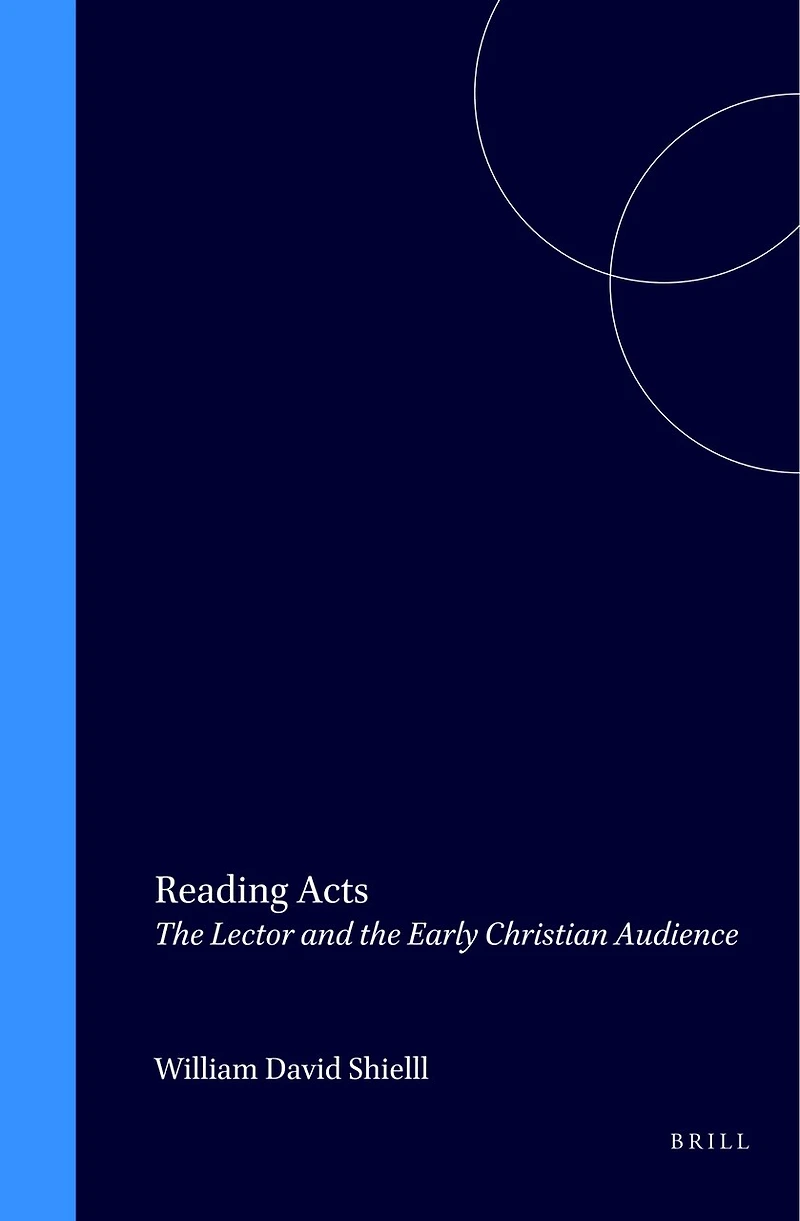
Reading Acts: The Lector and the Early Christian Audience
Indigo
Loading Inventory...
Reading Acts: The Lector and the Early Christian Audience
Current price: $245.99

Reading Acts: The Lector and the Early Christian Audience
Current price: $245.99
Loading Inventory...
Size: Hardcover
*Product information may vary - to confirm product availability, pricing, shipping and return information please contact Indigo
William Shiell proposes that the book of Acts was performed orally by a lector in the early church following Greco-Roman rhetorical conventions for recitation and delivery rather than directly read by an audience that was minimally literate. Shiell’s study outlines the function of the lector in Greco-Roman times as a filter through which an audience would receive a text. He describes the conventions for performers’ gestures, facial expressions, and vocal inflections found in material from Greco-Roman literature and art that are mirrored in the book of Acts. He examines how a reading of Acts in this light can fill interpretive gaps left by literary and rhetorical-critical studies that focus on the reading rather than the hearing of biblical texts.
William Shiell proposes that the book of Acts was performed orally by a lector in the early church following Greco-Roman rhetorical conventions for recitation and delivery rather than directly read by an audience that was minimally literate. Shiell’s study outlines the function of the lector in Greco-Roman times as a filter through which an audience would receive a text. He describes the conventions for performers’ gestures, facial expressions, and vocal inflections found in material from Greco-Roman literature and art that are mirrored in the book of Acts. He examines how a reading of Acts in this light can fill interpretive gaps left by literary and rhetorical-critical studies that focus on the reading rather than the hearing of biblical texts.
You May Also Like












More About Indigo at Erin Mills Town Centre
The largest book retailer in Canada also offers toys, music, home décor, gifts and lifestyle products. What's Inside...Books, Magazines, CD’s and DVD’s, Toys and Gifts, Home Accents, Electronics, Baby’s and Children’s Section, Bath and Body, Kitchen and Bedroom, Stationary Located outside in the exterior plaza.
5015 Glen Erin Dr, Mississauga, ON L5M 0R7, Canada
Find Indigo at Erin Mills Town Centre in Mississauga ON
Visit Indigo at Erin Mills Town Centre in Mississauga ON