

GIVE THE PERFECT GIFT
Erin Mills Town Centre Gift Cards are the perfect choice for your gift giving needs.Purchase gift cards at kiosks near the food court or centre court, at Guest Services, or click below to purchase online.PURCHASE HEREHome
Reading Corinthians and Philippians within Judaism: Collected Essays of Mark D. Nanos, Vol. 4
Indigo
Loading Inventory...
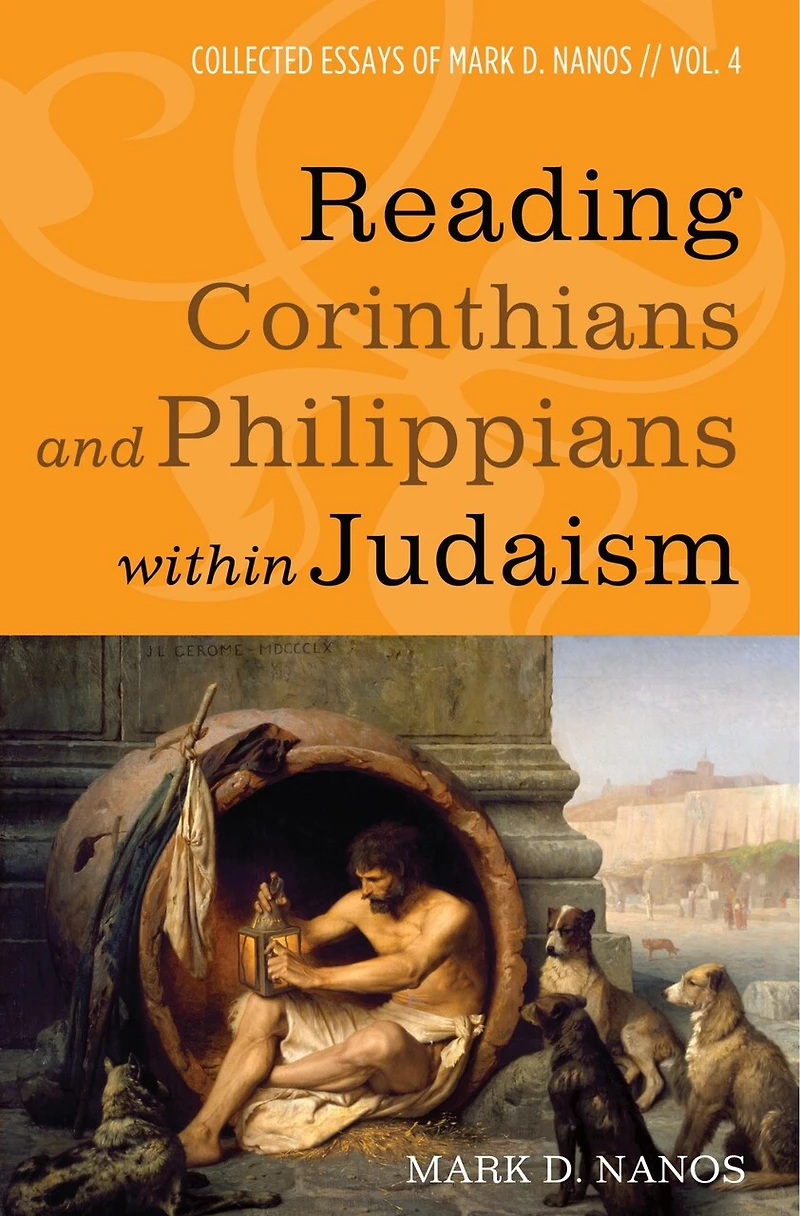
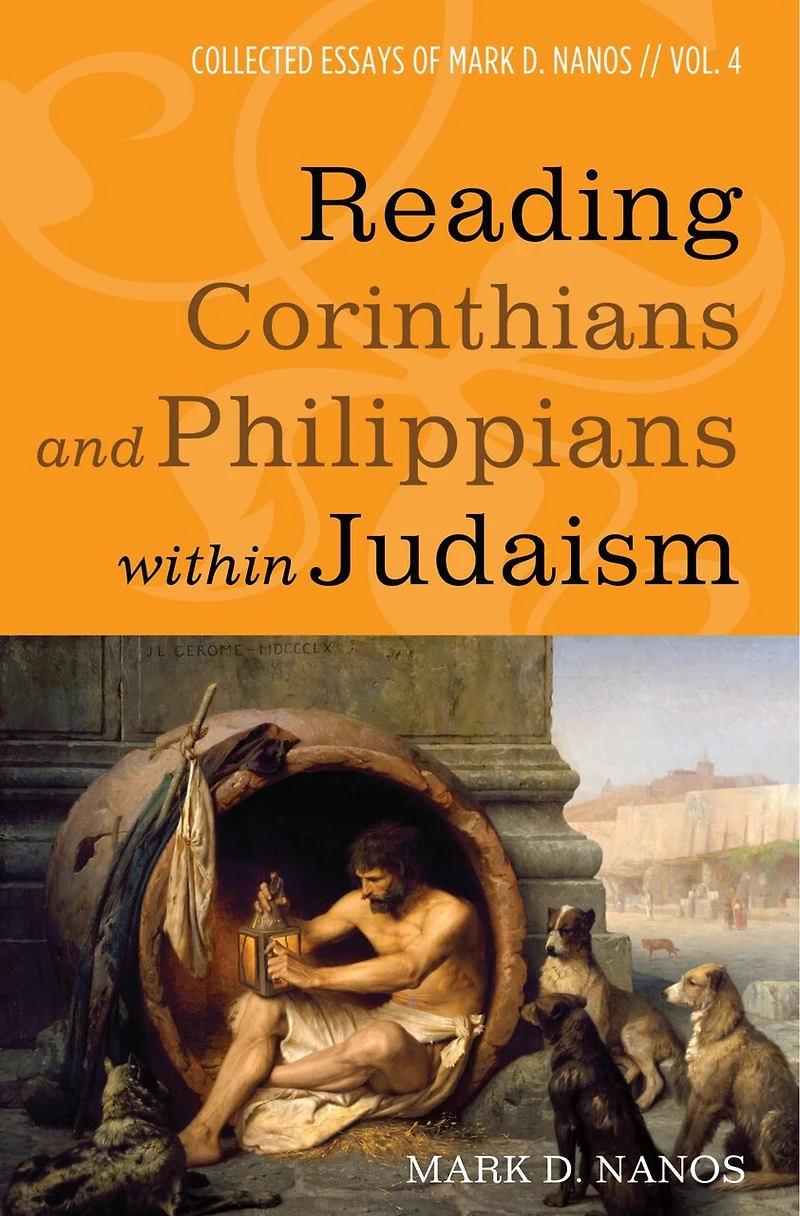
Reading Corinthians and Philippians within Judaism: Collected Essays of Mark D. Nanos, Vol. 4
Current price: $64.00

Reading Corinthians and Philippians within Judaism: Collected Essays of Mark D. Nanos, Vol. 4
Current price: $64.00
Loading Inventory...
Size: Hardcover
*Product information may vary - to confirm product availability, pricing, shipping and return information please contact Indigo
The commentary tradition regarding 1 Corinthians unanimously identifies the "weak" as Christ-followers whose faith was not yet sufficient to indulge in the eating of idol food with indifference, as if ideally Paul wanted them to become "strong" enough to do so. Commentaries also do not hesitate to explain that Paul advised the Corinthians that he behaved like non-Jews (e.g., ate idol food) in order to win non-Jews to Christ, convinced that he was free from any obligation to observe Jewish covenantal behavior--except when he expediently chose to mimic Jewish behavior in order to win Jews to Christ. Similarly, commentators continue to conclude that in Philippians Paul called Jews "dogs" for upholding the value of undertaking circumcision, and that he renounced such identification as "mutilation." None of these interpretations likely represent what Paul meant originally, according to Nanos. Each essay explains why, and provides new alternatives for re-reading Paul's language "within Judaism." In this process, Nanos combines investigations of relevant elements from Jewish sources and from various Cynic and other Greco-Roman contemporaries, as well as the New Testament.
The commentary tradition regarding 1 Corinthians unanimously identifies the "weak" as Christ-followers whose faith was not yet sufficient to indulge in the eating of idol food with indifference, as if ideally Paul wanted them to become "strong" enough to do so. Commentaries also do not hesitate to explain that Paul advised the Corinthians that he behaved like non-Jews (e.g., ate idol food) in order to win non-Jews to Christ, convinced that he was free from any obligation to observe Jewish covenantal behavior--except when he expediently chose to mimic Jewish behavior in order to win Jews to Christ. Similarly, commentators continue to conclude that in Philippians Paul called Jews "dogs" for upholding the value of undertaking circumcision, and that he renounced such identification as "mutilation." None of these interpretations likely represent what Paul meant originally, according to Nanos. Each essay explains why, and provides new alternatives for re-reading Paul's language "within Judaism." In this process, Nanos combines investigations of relevant elements from Jewish sources and from various Cynic and other Greco-Roman contemporaries, as well as the New Testament.
You May Also Like












More About Indigo at Erin Mills Town Centre
The largest book retailer in Canada also offers toys, music, home décor, gifts and lifestyle products. What's Inside...Books, Magazines, CD’s and DVD’s, Toys and Gifts, Home Accents, Electronics, Baby’s and Children’s Section, Bath and Body, Kitchen and Bedroom, Stationary Located outside in the exterior plaza.
5015 Glen Erin Dr, Mississauga, ON L5M 0R7, Canada
Find Indigo at Erin Mills Town Centre in Mississauga ON
Visit Indigo at Erin Mills Town Centre in Mississauga ON