

GIVE THE PERFECT GIFT
Erin Mills Town Centre Gift Cards are the perfect choice for your gift giving needs.Purchase gift cards at kiosks near the food court or centre court, at Guest Services, or click below to purchase online.PURCHASE HEREHome
Reading Philippians After Supersessionism: Jews, Gentiles, and Covenant Identity
Indigo
Loading Inventory...
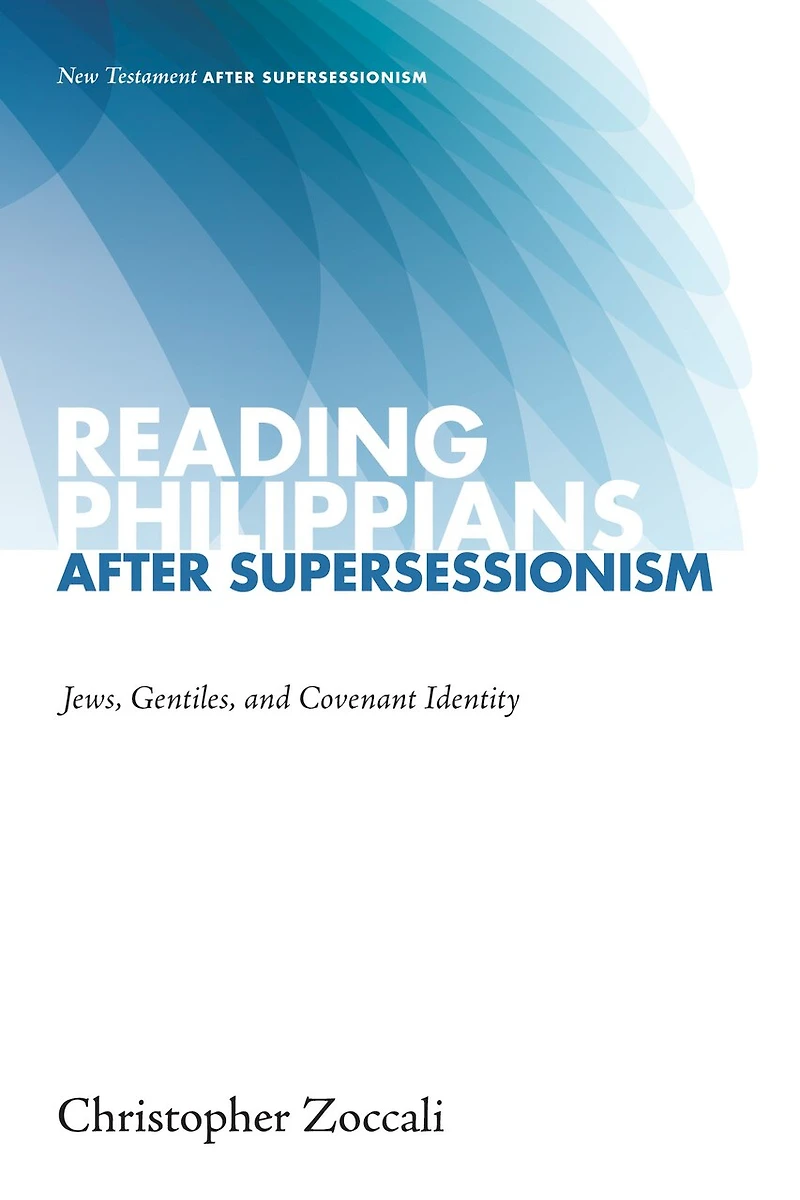
Reading Philippians After Supersessionism: Jews, Gentiles, and Covenant Identity
Current price: $63.00

Reading Philippians After Supersessionism: Jews, Gentiles, and Covenant Identity
Current price: $63.00
Loading Inventory...
Size: Hardcover
*Product information may vary - to confirm product availability, pricing, shipping and return information please contact Indigo
Paul's letter to the Philippians has often been read as one of the apostle's clearest denials of his (previous) Jewish identity in order to preempt the "Judaizing" tactics of false teachers who might infiltrate the congregation. But is this really the problem that Paul is confronting? And did Paul really abandon his identity as a Jew in order to "know Christ"? Furthermore, what should Paul's gospel converts understand about their own identity "in Christ"? Zoccali provides fresh answers to these questions, offering a more probable alternative to the traditional view that Christianity has replaced Judaism (supersessionism). Tracing Paul's theology in the light of social theory, Zoccali demonstrates that, for Paul, the ethnic distinction between Jew and gentile necessarily remains unabated, and the Torah continues to have a crucial role within the Christ-community as a whole. Rather than rejecting all things Jewish (or gentile), Paul seeks in this letter to more firmly establish the congregation's identity as members of God's holy, multiethnic people.
Paul's letter to the Philippians has often been read as one of the apostle's clearest denials of his (previous) Jewish identity in order to preempt the "Judaizing" tactics of false teachers who might infiltrate the congregation. But is this really the problem that Paul is confronting? And did Paul really abandon his identity as a Jew in order to "know Christ"? Furthermore, what should Paul's gospel converts understand about their own identity "in Christ"? Zoccali provides fresh answers to these questions, offering a more probable alternative to the traditional view that Christianity has replaced Judaism (supersessionism). Tracing Paul's theology in the light of social theory, Zoccali demonstrates that, for Paul, the ethnic distinction between Jew and gentile necessarily remains unabated, and the Torah continues to have a crucial role within the Christ-community as a whole. Rather than rejecting all things Jewish (or gentile), Paul seeks in this letter to more firmly establish the congregation's identity as members of God's holy, multiethnic people.
You May Also Like

![Israel and the Gentiles, Contributions to History of Jews From Earliest Times Present Day [Tr. by M.J.Kennedy]](https://cdn.mall.adeptmind.ai/https%253A%252F%252Fcdn.shopify.com%252Fs%252Ffiles%252F1%252F0655%252F8980%252F5233%252Ffiles%252F1_b1ede652-8200-418c-96b3-bc8f194c7bf6.jpg_medium.webp)







More About Indigo at Erin Mills Town Centre
The largest book retailer in Canada also offers toys, music, home décor, gifts and lifestyle products. What's Inside...Books, Magazines, CD’s and DVD’s, Toys and Gifts, Home Accents, Electronics, Baby’s and Children’s Section, Bath and Body, Kitchen and Bedroom, Stationary Located outside in the exterior plaza.
5015 Glen Erin Dr, Mississauga, ON L5M 0R7, Canada
Find Indigo at Erin Mills Town Centre in Mississauga ON
Visit Indigo at Erin Mills Town Centre in Mississauga ON