

GIVE THE PERFECT GIFT
Erin Mills Town Centre Gift Cards are the perfect choice for your gift giving needs.Purchase gift cards at kiosks near the food court or centre court, at Guest Services, or click below to purchase online.PURCHASE HEREHome
Redeeming Objects: A West German Mythology
Indigo
Loading Inventory...
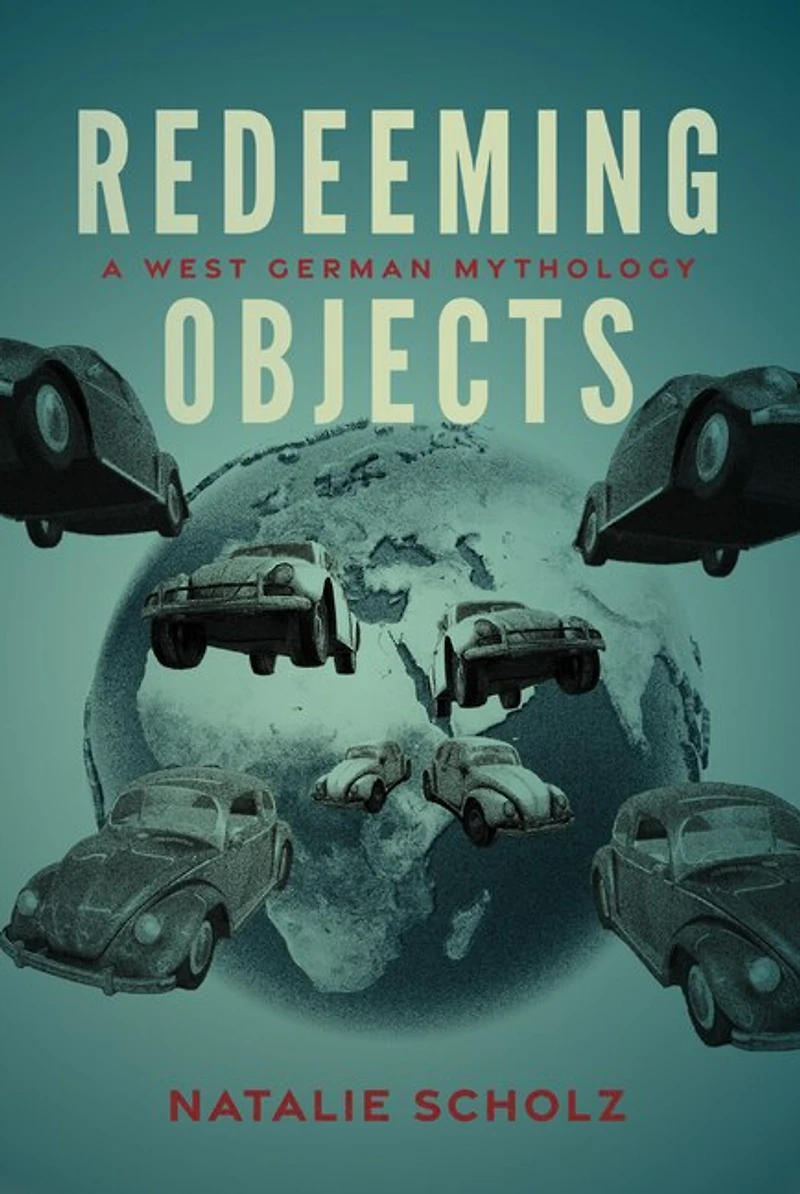
Redeeming Objects: A West German Mythology
Current price: $103.95

Redeeming Objects: A West German Mythology
Current price: $103.95
Loading Inventory...
Size: Hardcover
*Product information may vary - to confirm product availability, pricing, shipping and return information please contact Indigo
Redeeming Objects traces the afterlives of things. Out of the rubble of World War II and the Holocaust, the Federal Republic of Germany emerged, and with it a foundational myth of the “economic miracle.” In this narrative, a new mass consumer society based on the production, export, and consumption of goods would redeem West Germany from its Nazi past and drive its rebirth as a truly modern nation. Turning this narrative on its head, Natalie Scholz shows that West Germany’s consumerist ideology took shape through the reinvention of commodities previously tied to Nazism into symbols of Germany’s modernity, economic supremacy, and international prestige.
Postwar advertising, film, and print culture sought to divest mass-produced goods—such as the Volkswagen and modern interiors—of their fascist legacies. But Scholz demonstrates that postwar representations were saturated with unacknowledged references to the Nazi past. Drawing on a vast array of popular and highbrow publications and films, Redeeming Objects adds a new perspective to debates about postwar reconstruction, memory, and consumerism.
Redeeming Objects traces the afterlives of things. Out of the rubble of World War II and the Holocaust, the Federal Republic of Germany emerged, and with it a foundational myth of the “economic miracle.” In this narrative, a new mass consumer society based on the production, export, and consumption of goods would redeem West Germany from its Nazi past and drive its rebirth as a truly modern nation. Turning this narrative on its head, Natalie Scholz shows that West Germany’s consumerist ideology took shape through the reinvention of commodities previously tied to Nazism into symbols of Germany’s modernity, economic supremacy, and international prestige.
Postwar advertising, film, and print culture sought to divest mass-produced goods—such as the Volkswagen and modern interiors—of their fascist legacies. But Scholz demonstrates that postwar representations were saturated with unacknowledged references to the Nazi past. Drawing on a vast array of popular and highbrow publications and films, Redeeming Objects adds a new perspective to debates about postwar reconstruction, memory, and consumerism.
You May Also Like











More About Indigo at Erin Mills Town Centre
The largest book retailer in Canada also offers toys, music, home décor, gifts and lifestyle products. What's Inside...Books, Magazines, CD’s and DVD’s, Toys and Gifts, Home Accents, Electronics, Baby’s and Children’s Section, Bath and Body, Kitchen and Bedroom, Stationary Located outside in the exterior plaza.
5015 Glen Erin Dr, Mississauga, ON L5M 0R7, Canada
Find Indigo at Erin Mills Town Centre in Mississauga ON
Visit Indigo at Erin Mills Town Centre in Mississauga ON