

GIVE THE PERFECT GIFT
Erin Mills Town Centre Gift Cards are the perfect choice for your gift giving needs.Purchase gift cards at kiosks near the food court or centre court, at Guest Services, or click below to purchase online.PURCHASE HEREHome
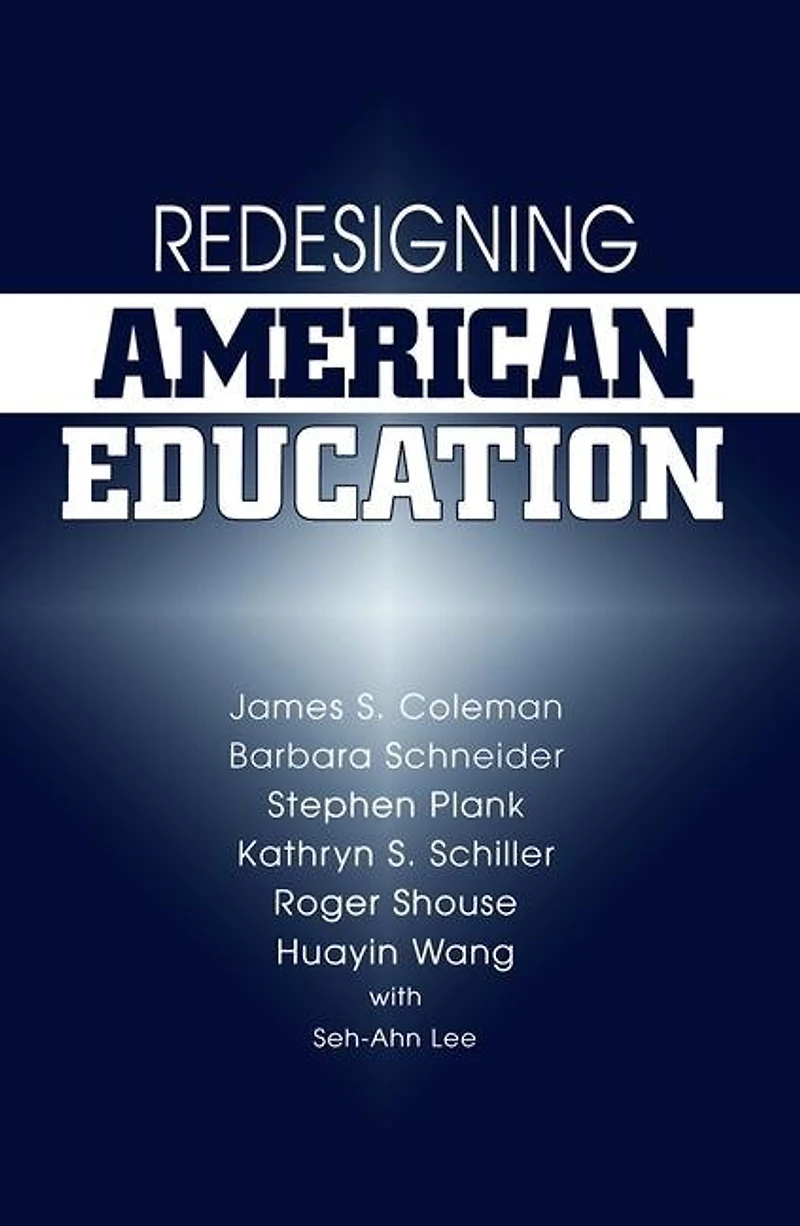
Redesigning American Education: Amer Education
Indigo
Loading Inventory...
Redesigning American Education: Amer Education
Current price: $74.63

Redesigning American Education: Amer Education
Current price: $74.63
Loading Inventory...
Size: Kobo eBook
*Product information may vary - to confirm product availability, pricing, shipping and return information please contact Indigo
Drawing on several principles of sociological theory, James S. Coleman and his colleagues construct a new design for American schooling. The authors present compelling evidence on the deficits of our educational system compared to other countries, arguing that the problems are the result of inappropriate incentives for teachers, students, and parents.Asserting that most American school systems are driven by administrative needs, the authors propose school designs that would shift the focus to student achievement output as the driving force behind public education. The move from an administratively driven system to an output-driven system would require the use of external standards; a method of evaluating school and student performance gains over time; a means of rewarding students, teachers and parents for academic performance gains; and the encouragement of informal norms that would support the new educational goals. Basing their recommendations on two national longitudinal data sets, each with a sample of over 1000 schools exhibiting variations in organizational design, the authors identify specific variations that have been shown to promote growth and achievement.
Drawing on several principles of sociological theory, James S. Coleman and his colleagues construct a new design for American schooling. The authors present compelling evidence on the deficits of our educational system compared to other countries, arguing that the problems are the result of inappropriate incentives for teachers, students, and parents.Asserting that most American school systems are driven by administrative needs, the authors propose school designs that would shift the focus to student achievement output as the driving force behind public education. The move from an administratively driven system to an output-driven system would require the use of external standards; a method of evaluating school and student performance gains over time; a means of rewarding students, teachers and parents for academic performance gains; and the encouragement of informal norms that would support the new educational goals. Basing their recommendations on two national longitudinal data sets, each with a sample of over 1000 schools exhibiting variations in organizational design, the authors identify specific variations that have been shown to promote growth and achievement.
You May Also Like














More About Indigo at Erin Mills Town Centre
The largest book retailer in Canada also offers toys, music, home décor, gifts and lifestyle products. What's Inside...Books, Magazines, CD’s and DVD’s, Toys and Gifts, Home Accents, Electronics, Baby’s and Children’s Section, Bath and Body, Kitchen and Bedroom, Stationary Located outside in the exterior plaza.
5015 Glen Erin Dr, Mississauga, ON L5M 0R7, Canada
Find Indigo at Erin Mills Town Centre in Mississauga ON
Visit Indigo at Erin Mills Town Centre in Mississauga ON