

GIVE THE PERFECT GIFT
Erin Mills Town Centre Gift Cards are the perfect choice for your gift giving needs.Purchase gift cards at kiosks near the food court or centre court, at Guest Services, or click below to purchase online.PURCHASE HEREHome
Redundancy Robot Manipulators and Multi-Robot Systems
Indigo
Loading Inventory...
Redundancy Robot Manipulators and Multi-Robot Systems
Current price: $248.50

Redundancy Robot Manipulators and Multi-Robot Systems
Current price: $248.50
Loading Inventory...
Size: Hardcover
*Product information may vary - to confirm product availability, pricing, shipping and return information please contact Indigo
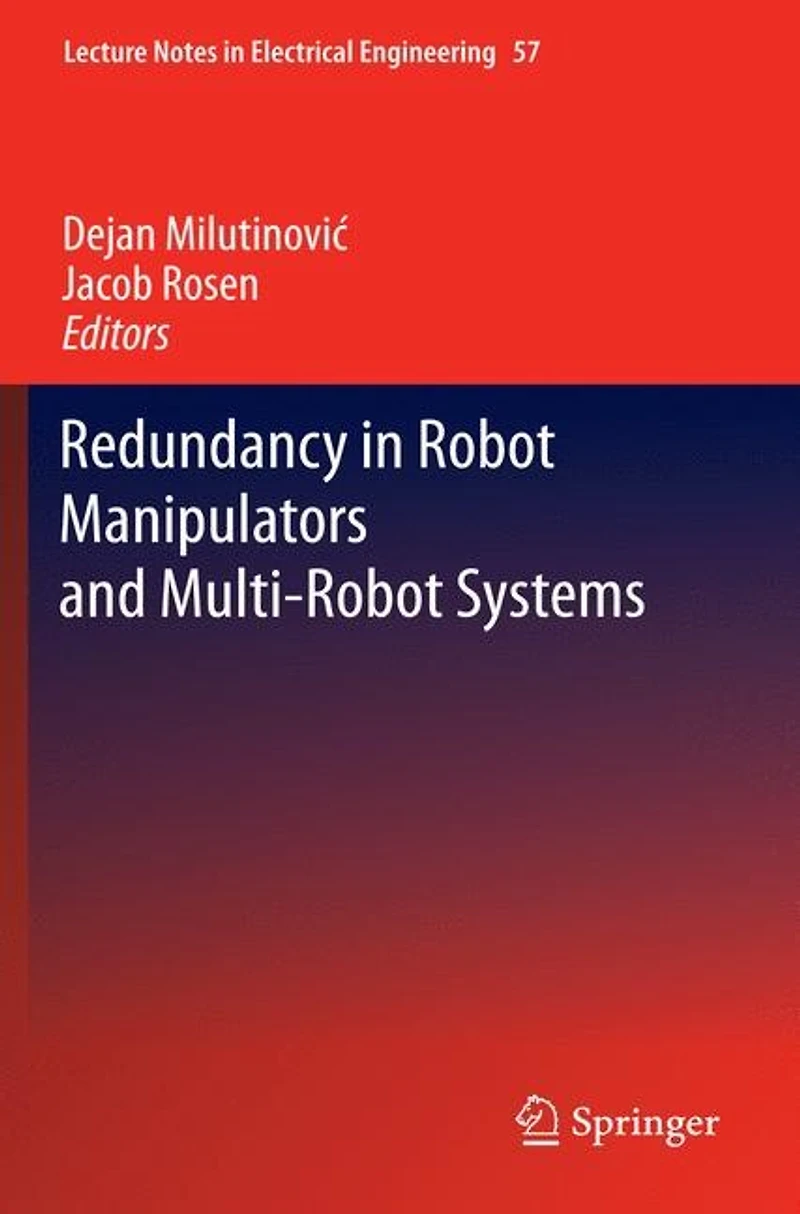
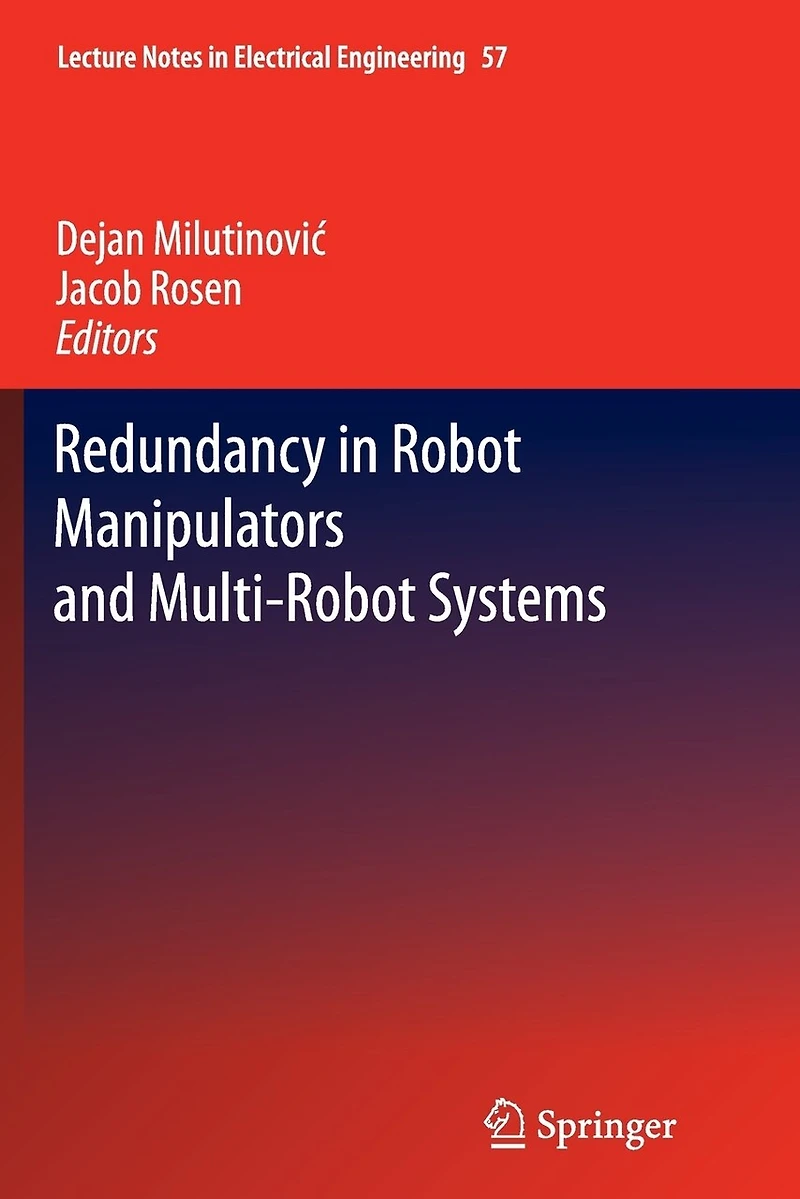
The trend in the evolution of robotic systems is that the number of degrees of freedom increases. This is visible both in robot manipulator design and in the shift of focus from single to multi-robot systems. Following the principles of evolution in nature, one may infer that adding degrees of freedom to robot systems design is beneficial. However, since nature did not select snake-like bodies for all creatures, it is reasonable to expect the presence of a certain selection pressure on the number of degrees of freedom. Thus, understanding costs and benefits of multiple degrees of freedom, especially those that create redundancy, is a fundamental problem in the field of robotics. This volume is mostly based on the works presented at the workshop on Redundancy in Robot Manipulators and Multi-Robot Systems at the IEEE/RSJ International Conference on Intelligent Robots and Systems - IROS 2011. The workshop was envisioned as a dialog between researchers from two separate, but obviously related fields of robotics: one that deals with systems having multiple degrees of freedom, including redundant robot manipulators, and the other that deals with multirobot systems. The volume consists of twelve chapters, each representing one of the two fields.
The trend in the evolution of robotic systems is that the number of degrees of freedom increases. This is visible both in robot manipulator design and in the shift of focus from single to multi-robot systems. Following the principles of evolution in nature, one may infer that adding degrees of freedom to robot systems design is beneficial. However, since nature did not select snake-like bodies for all creatures, it is reasonable to expect the presence of a certain selection pressure on the number of degrees of freedom. Thus, understanding costs and benefits of multiple degrees of freedom, especially those that create redundancy, is a fundamental problem in the field of robotics. This volume is mostly based on the works presented at the workshop on Redundancy in Robot Manipulators and Multi-Robot Systems at the IEEE/RSJ International Conference on Intelligent Robots and Systems - IROS 2011. The workshop was envisioned as a dialog between researchers from two separate, but obviously related fields of robotics: one that deals with systems having multiple degrees of freedom, including redundant robot manipulators, and the other that deals with multirobot systems. The volume consists of twelve chapters, each representing one of the two fields.
You May Also Like











More About Indigo at Erin Mills Town Centre
The largest book retailer in Canada also offers toys, music, home décor, gifts and lifestyle products. What's Inside...Books, Magazines, CD’s and DVD’s, Toys and Gifts, Home Accents, Electronics, Baby’s and Children’s Section, Bath and Body, Kitchen and Bedroom, Stationary Located outside in the exterior plaza.
5015 Glen Erin Dr, Mississauga, ON L5M 0R7, Canada
Find Indigo at Erin Mills Town Centre in Mississauga ON
Visit Indigo at Erin Mills Town Centre in Mississauga ON