

GIVE THE PERFECT GIFT
Erin Mills Town Centre Gift Cards are the perfect choice for your gift giving needs.Purchase gift cards at kiosks near the food court or centre court, at Guest Services, or click below to purchase online.PURCHASE HEREHome
Regenerative Agriculture: How to Restore the Health of the Planet and Create Sustainable Food Systems
Indigo
Loading Inventory...
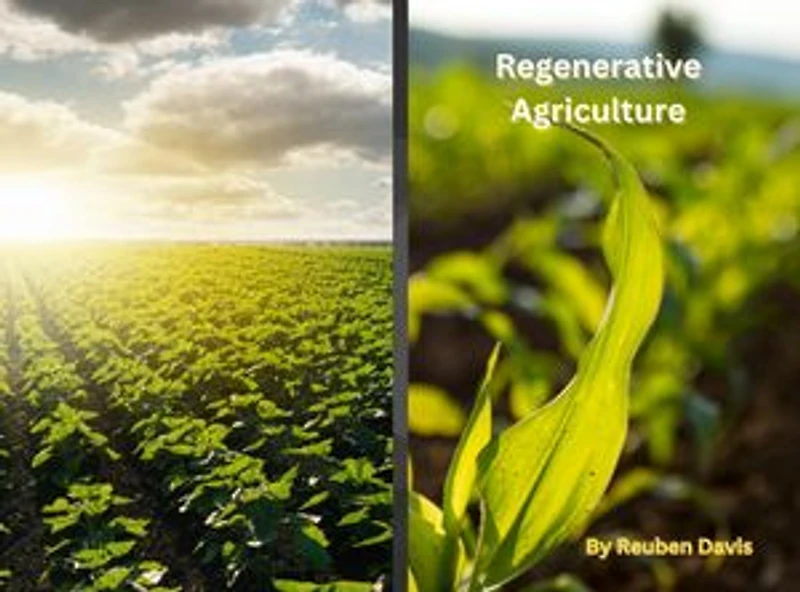
Regenerative Agriculture: How to Restore the Health of the Planet and Create Sustainable Food Systems
Current price: $16.65

Regenerative Agriculture: How to Restore the Health of the Planet and Create Sustainable Food Systems
Current price: $16.65
Loading Inventory...
Size: Kobo eBook
*Product information may vary - to confirm product availability, pricing, shipping and return information please contact Indigo
Regenerative Agriculture: Principles, Practices, and Case Studies" is a comprehensive guide that explores the science and benefits behind regenerative agriculture. This book covers the principles of regenerative agriculture, such as minimizing soil disturbance, maximizing diversity, keeping soil covered, integrating livestock, and practicing crop rotation and cover cropping. It also examines the science behind each principle and its benefits for soil health, carbon sequestration, and biodiversity. Through case studies and examples, the book showcases successful regenerative agriculture practices from around the world, including livestock integration, soil restoration, and biodiversity conservation. Additionally, it highlights the challenges and opportunities for scaling up regenerative agriculture, as well as the potential of regenerative agriculture to address environmental and social challenges. This book is a must-read for anyone interested in sustainable agriculture, environmental conservation, and food systems.
Regenerative Agriculture: Principles, Practices, and Case Studies" is a comprehensive guide that explores the science and benefits behind regenerative agriculture. This book covers the principles of regenerative agriculture, such as minimizing soil disturbance, maximizing diversity, keeping soil covered, integrating livestock, and practicing crop rotation and cover cropping. It also examines the science behind each principle and its benefits for soil health, carbon sequestration, and biodiversity. Through case studies and examples, the book showcases successful regenerative agriculture practices from around the world, including livestock integration, soil restoration, and biodiversity conservation. Additionally, it highlights the challenges and opportunities for scaling up regenerative agriculture, as well as the potential of regenerative agriculture to address environmental and social challenges. This book is a must-read for anyone interested in sustainable agriculture, environmental conservation, and food systems.
You May Also Like








More About Indigo at Erin Mills Town Centre
The largest book retailer in Canada also offers toys, music, home décor, gifts and lifestyle products. What's Inside...Books, Magazines, CD’s and DVD’s, Toys and Gifts, Home Accents, Electronics, Baby’s and Children’s Section, Bath and Body, Kitchen and Bedroom, Stationary Located outside in the exterior plaza.
5015 Glen Erin Dr, Mississauga, ON L5M 0R7, Canada
Find Indigo at Erin Mills Town Centre in Mississauga ON
Visit Indigo at Erin Mills Town Centre in Mississauga ON