

GIVE THE PERFECT GIFT
Erin Mills Town Centre Gift Cards are the perfect choice for your gift giving needs.Purchase gift cards at kiosks near the food court or centre court, at Guest Services, or click below to purchase online.PURCHASE HEREHome
Regional Identity and Economic Change by Tom Scott, Hardcover | Indigo Chapters
Indigo
Loading Inventory...
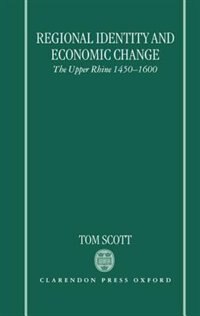
Regional Identity and Economic Change by Tom Scott, Hardcover | Indigo Chapters
By Tom Scott
Current price: $427.50

By Tom Scott
Regional Identity and Economic Change by Tom Scott, Hardcover | Indigo Chapters
Current price: $427.50
Loading Inventory...
Size: 2.5 x 21.6 x 560
*Product information may vary - to confirm product availability, pricing, shipping and return information please contact Indigo
The current debate about the best methods of European organization - central or regional - is influenced by an awareness of regional identity, which offers an alternative to the rigidities of organization by nation-state. Yet where does the sense of regionalism come from? What are thedistinctive factors that transform a geographical area into a particular 'region'? Tom Scott addresses these questions in this study of one apparently 'natural' region - the Upper Rhine - between 1450 and 1600. This region has been divided between three countries and so historically marginalized, yet Dr Scott is able to trace the existence of a sense of historical regional identity cutting across national frontiers, founded on common economic interests. But that identity was always contingent and precarious, neither 'natural' nor immutable. | Regional Identity and Economic Change by Tom Scott, Hardcover | Indigo Chapters
The current debate about the best methods of European organization - central or regional - is influenced by an awareness of regional identity, which offers an alternative to the rigidities of organization by nation-state. Yet where does the sense of regionalism come from? What are thedistinctive factors that transform a geographical area into a particular 'region'? Tom Scott addresses these questions in this study of one apparently 'natural' region - the Upper Rhine - between 1450 and 1600. This region has been divided between three countries and so historically marginalized, yet Dr Scott is able to trace the existence of a sense of historical regional identity cutting across national frontiers, founded on common economic interests. But that identity was always contingent and precarious, neither 'natural' nor immutable. | Regional Identity and Economic Change by Tom Scott, Hardcover | Indigo Chapters
You May Also Like








More About Indigo at Erin Mills Town Centre
The largest book retailer in Canada also offers toys, music, home décor, gifts and lifestyle products. What's Inside...Books, Magazines, CD’s and DVD’s, Toys and Gifts, Home Accents, Electronics, Baby’s and Children’s Section, Bath and Body, Kitchen and Bedroom, Stationary Located outside in the exterior plaza.
5015 Glen Erin Dr, Mississauga, ON L5M 0R7, Canada
Find Indigo at Erin Mills Town Centre in Mississauga ON
Visit Indigo at Erin Mills Town Centre in Mississauga ON