

GIVE THE PERFECT GIFT
Erin Mills Town Centre Gift Cards are the perfect choice for your gift giving needs.Purchase gift cards at kiosks near the food court or centre court, at Guest Services, or click below to purchase online.PURCHASE HEREHome
Regulating Assisted Reproductive Technologies: New Horizons
Indigo
Loading Inventory...
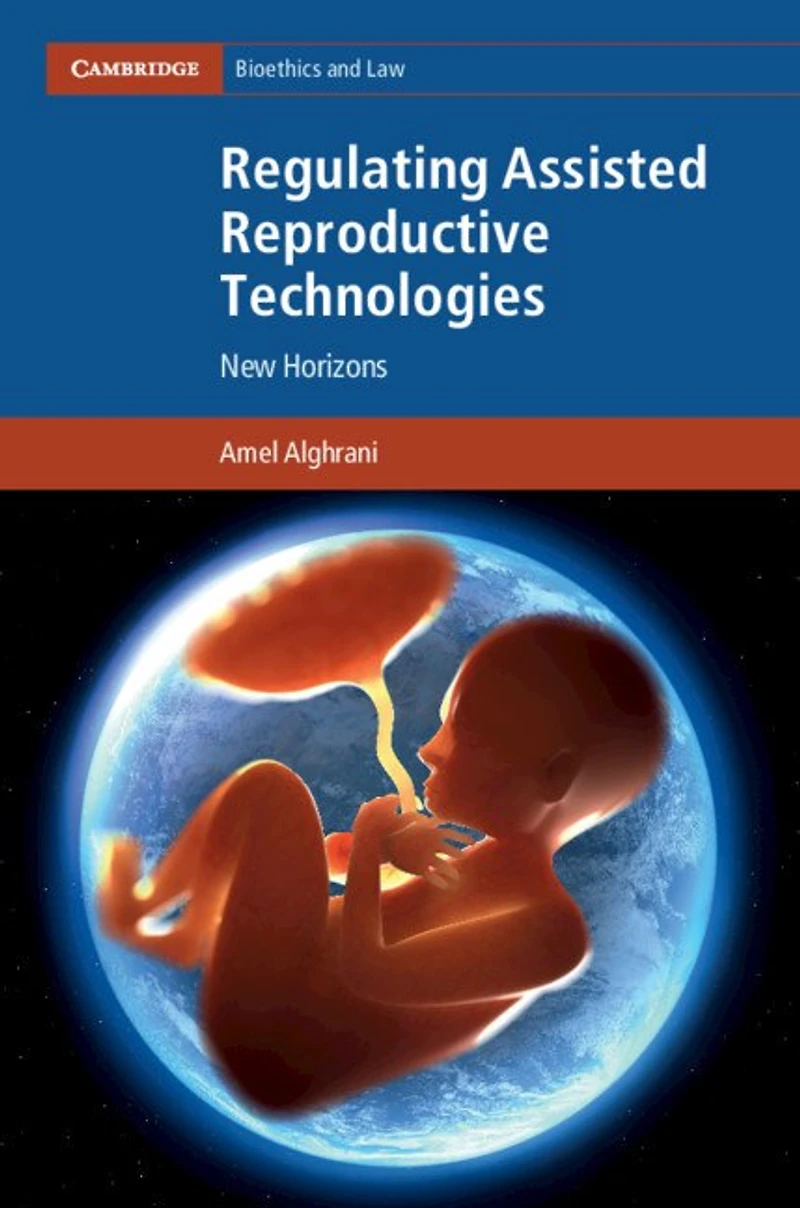
Regulating Assisted Reproductive Technologies: New Horizons
Current price: $165.95

Regulating Assisted Reproductive Technologies: New Horizons
Current price: $165.95
Loading Inventory...
Size: Hardcover
*Product information may vary - to confirm product availability, pricing, shipping and return information please contact Indigo
Reproductive science continues to revolutionise reproduction and propel us further into uncharted territories. The revolution signalled by the birth of Louise Brown after IVF in 1978, prompted governments across Europe and beyond into regulatory action. Forty years on, there are now dramatic and controversial developments in new reproductive technologies. Technologies such as uterus transplantation that may enable unisex gestation and babies gestated by dad; or artificial wombs that will completely divorce reproduction from the human body and allow babies to be gestated by machines, usher in a different set of legal, ethical and social questions to those that arose from IVF. This book revisits the regulation of assisted reproduction and advances the debate on from the now much-discussed issues that arose from IVF, offering a critical analysis of the regulatory challenges raised by new reproductive technologies on the horizon.
Reproductive science continues to revolutionise reproduction and propel us further into uncharted territories. The revolution signalled by the birth of Louise Brown after IVF in 1978, prompted governments across Europe and beyond into regulatory action. Forty years on, there are now dramatic and controversial developments in new reproductive technologies. Technologies such as uterus transplantation that may enable unisex gestation and babies gestated by dad; or artificial wombs that will completely divorce reproduction from the human body and allow babies to be gestated by machines, usher in a different set of legal, ethical and social questions to those that arose from IVF. This book revisits the regulation of assisted reproduction and advances the debate on from the now much-discussed issues that arose from IVF, offering a critical analysis of the regulatory challenges raised by new reproductive technologies on the horizon.
You May Also Like











More About Indigo at Erin Mills Town Centre
The largest book retailer in Canada also offers toys, music, home décor, gifts and lifestyle products. What's Inside...Books, Magazines, CD’s and DVD’s, Toys and Gifts, Home Accents, Electronics, Baby’s and Children’s Section, Bath and Body, Kitchen and Bedroom, Stationary Located outside in the exterior plaza.
5015 Glen Erin Dr, Mississauga, ON L5M 0R7, Canada
Find Indigo at Erin Mills Town Centre in Mississauga ON
Visit Indigo at Erin Mills Town Centre in Mississauga ON