

GIVE THE PERFECT GIFT
Erin Mills Town Centre Gift Cards are the perfect choice for your gift giving needs.Purchase gift cards at kiosks near the food court or centre court, at Guest Services, or click below to purchase online.PURCHASE HEREHome
Reinforcement Learning for Finance: A Python-Based Introduction
Indigo
Loading Inventory...
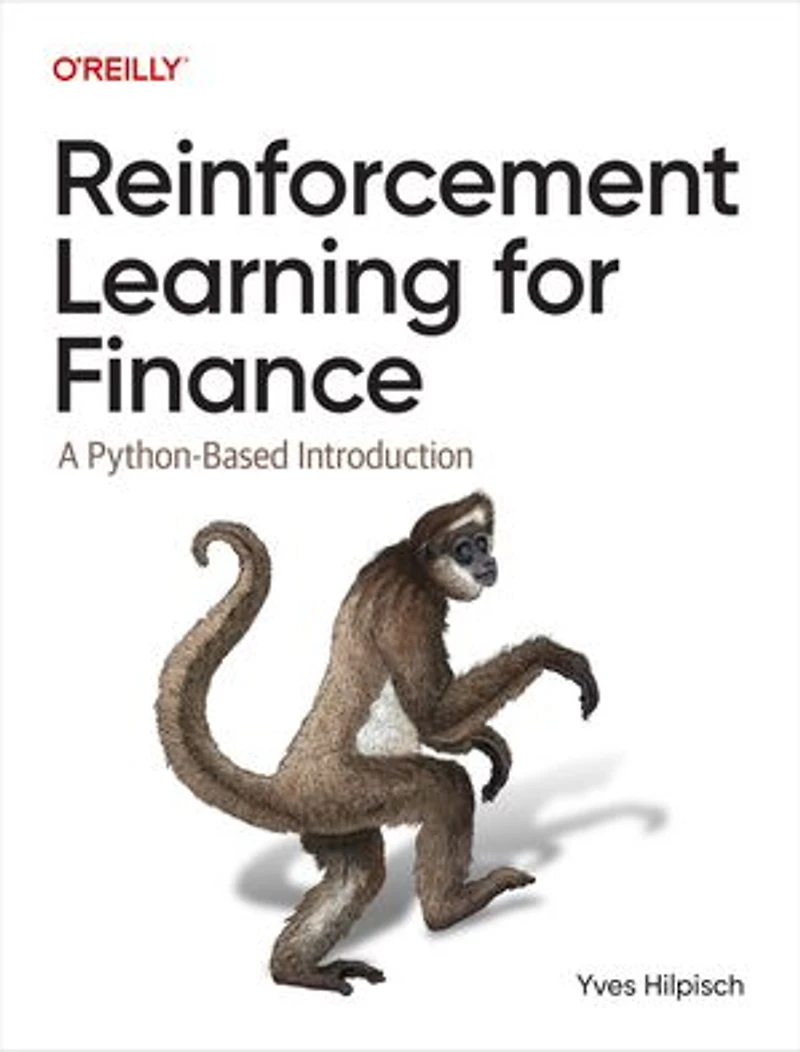
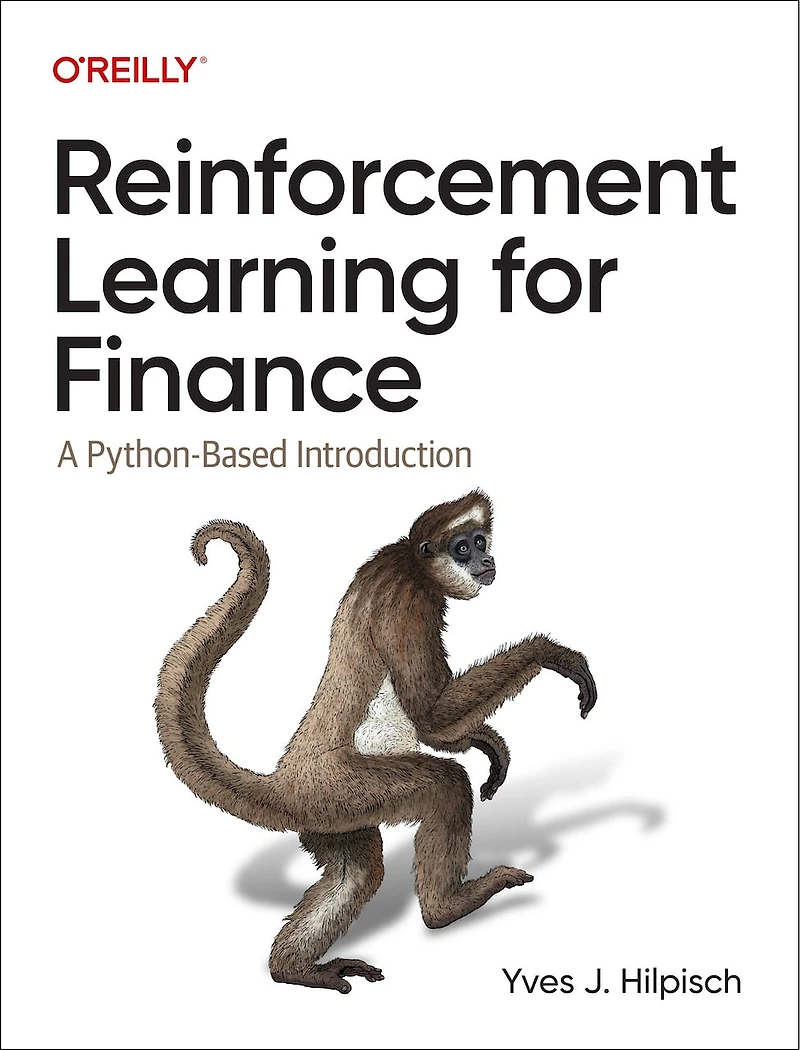
Reinforcement Learning for Finance: A Python-Based Introduction
Current price: $59.99
Original price: $74.99

Reinforcement Learning for Finance: A Python-Based Introduction
Current price: $59.99
Original price: $74.99
Loading Inventory...
Size: Kobo eBook
*Product information may vary - to confirm product availability, pricing, shipping and return information please contact Indigo
Reinforcement learning (RL) has led to several breakthroughs in AI. The use of the Q-learning (DQL) algorithm alone has helped people develop agents that play arcade games and board games at a superhuman level. More recently, RL, DQL, and similar methods have gained popularity in publications related to financial research.
This book is among the first to explore the use of reinforcement learning methods in finance.
Author Yves Hilpisch, founder and CEO of The Python Quants, provides the background you need in concise fashion. ML practitioners, financial traders, portfolio managers, strategists, and analysts will focus on the implementation of these algorithms in the form of self-contained Python code and the application to important financial problems.
This book covers:
Reinforcement learning
Deep Q-learning
Python implementations of these algorithms
How to apply the algorithms to financial problems such as algorithmic trading, dynamic hedging, and dynamic asset allocation
This book is the ideal reference on this topic. You'll read it once, change the examples according to your needs or ideas, and refer to it whenever you work with RL for finance.
Dr. Yves Hilpisch is founder and CEO of The Python Quants, a group that focuses on the use of open source technologies for financial data science, AI, asset management, algorithmic trading, and computational finance.
Reinforcement learning (RL) has led to several breakthroughs in AI. The use of the Q-learning (DQL) algorithm alone has helped people develop agents that play arcade games and board games at a superhuman level. More recently, RL, DQL, and similar methods have gained popularity in publications related to financial research.
This book is among the first to explore the use of reinforcement learning methods in finance.
Author Yves Hilpisch, founder and CEO of The Python Quants, provides the background you need in concise fashion. ML practitioners, financial traders, portfolio managers, strategists, and analysts will focus on the implementation of these algorithms in the form of self-contained Python code and the application to important financial problems.
This book covers:
Reinforcement learning
Deep Q-learning
Python implementations of these algorithms
How to apply the algorithms to financial problems such as algorithmic trading, dynamic hedging, and dynamic asset allocation
This book is the ideal reference on this topic. You'll read it once, change the examples according to your needs or ideas, and refer to it whenever you work with RL for finance.
Dr. Yves Hilpisch is founder and CEO of The Python Quants, a group that focuses on the use of open source technologies for financial data science, AI, asset management, algorithmic trading, and computational finance.
You May Also Like
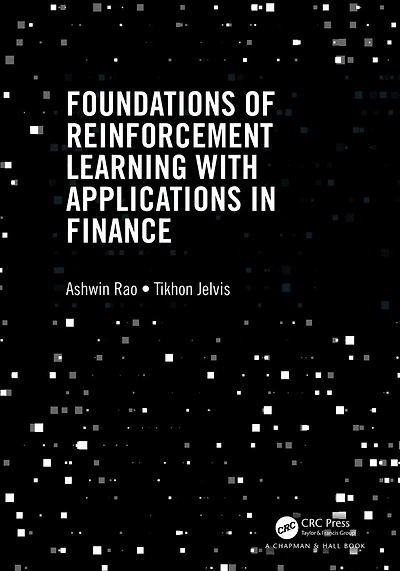
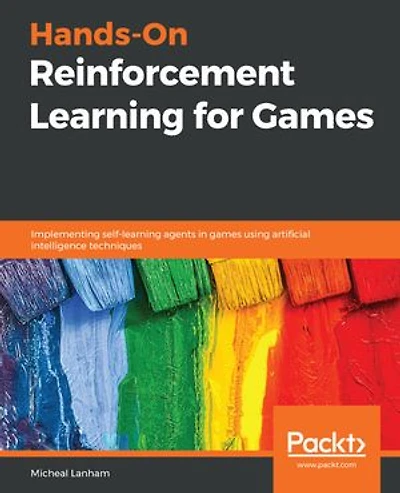








More About Indigo at Erin Mills Town Centre
The largest book retailer in Canada also offers toys, music, home décor, gifts and lifestyle products. What's Inside...Books, Magazines, CD’s and DVD’s, Toys and Gifts, Home Accents, Electronics, Baby’s and Children’s Section, Bath and Body, Kitchen and Bedroom, Stationary Located outside in the exterior plaza.
5015 Glen Erin Dr, Mississauga, ON L5M 0R7, Canada
Find Indigo at Erin Mills Town Centre in Mississauga ON
Visit Indigo at Erin Mills Town Centre in Mississauga ON