

GIVE THE PERFECT GIFT
Erin Mills Town Centre Gift Cards are the perfect choice for your gift giving needs.Purchase gift cards at kiosks near the food court or centre court, at Guest Services, or click below to purchase online.PURCHASE HEREHome
Religious Pluralism and Interreligious Theology: The Gifford Lectures
Indigo
Loading Inventory...
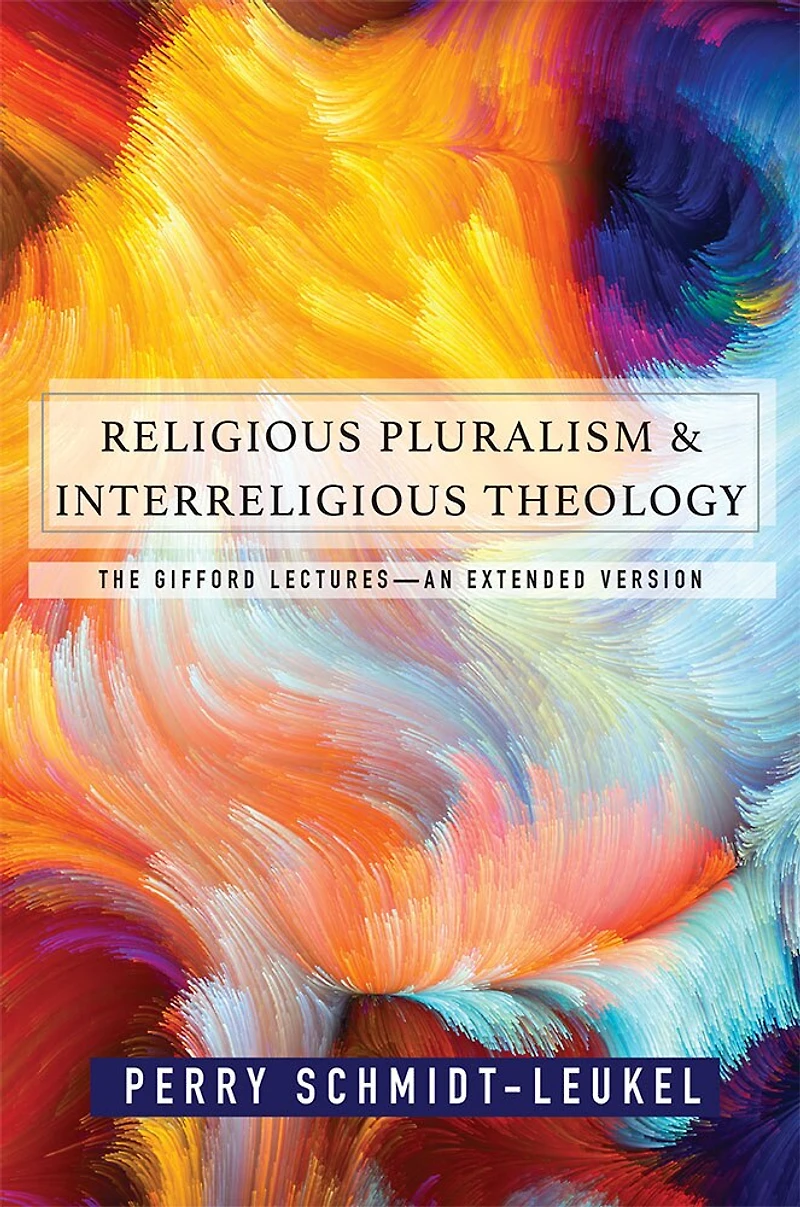
Religious Pluralism and Interreligious Theology: The Gifford Lectures
Current price: $64.99

Religious Pluralism and Interreligious Theology: The Gifford Lectures
Current price: $64.99
Loading Inventory...
Size: Paperback
*Product information may vary - to confirm product availability, pricing, shipping and return information please contact Indigo
Interreligious dialogue has encouraged many theologians in all major religious traditions to consider whether other religions may offer a different but nevertheless genuine and valid path of salvation or liberation. Perry Schmidt-Leukel, in this extended version of his 2015 Gifford Lectures, argues that this position often called "religious pluralism must be developed within particular insights supplied by each of the major traditions. Although severe barriers to religious pluralism exist within each tradition, he shows nevertheless that possibilities for a pluralist understanding exist in Christianity, Judaism, Islam, Hinduism, Buddhism, and Chinese religions. Interreligious theology, he argues, carries the promise of being the theology of the future.
Interreligious dialogue has encouraged many theologians in all major religious traditions to consider whether other religions may offer a different but nevertheless genuine and valid path of salvation or liberation. Perry Schmidt-Leukel, in this extended version of his 2015 Gifford Lectures, argues that this position often called "religious pluralism must be developed within particular insights supplied by each of the major traditions. Although severe barriers to religious pluralism exist within each tradition, he shows nevertheless that possibilities for a pluralist understanding exist in Christianity, Judaism, Islam, Hinduism, Buddhism, and Chinese religions. Interreligious theology, he argues, carries the promise of being the theology of the future.
You May Also Like







More About Indigo at Erin Mills Town Centre
The largest book retailer in Canada also offers toys, music, home décor, gifts and lifestyle products. What's Inside...Books, Magazines, CD’s and DVD’s, Toys and Gifts, Home Accents, Electronics, Baby’s and Children’s Section, Bath and Body, Kitchen and Bedroom, Stationary Located outside in the exterior plaza.
5015 Glen Erin Dr, Mississauga, ON L5M 0R7, Canada
Find Indigo at Erin Mills Town Centre in Mississauga ON
Visit Indigo at Erin Mills Town Centre in Mississauga ON