

GIVE THE PERFECT GIFT
Erin Mills Town Centre Gift Cards are the perfect choice for your gift giving needs.Purchase gift cards at kiosks near the food court or centre court, at Guest Services, or click below to purchase online.PURCHASE HEREHome
Remote Sensing Of Leaf Area Index (lai) And Other Vegetation Parameters
Indigo
Loading Inventory...
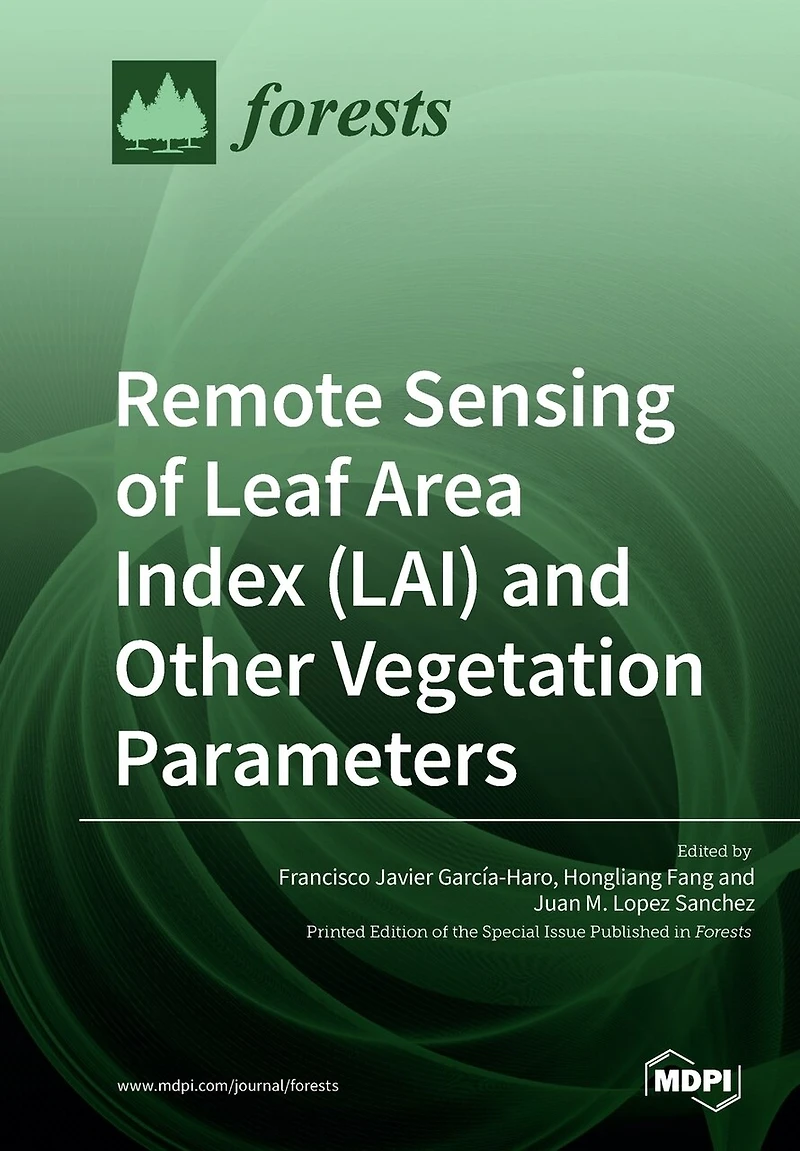
Remote Sensing Of Leaf Area Index (lai) And Other Vegetation Parameters
Current price: $105.80

Remote Sensing Of Leaf Area Index (lai) And Other Vegetation Parameters
Current price: $105.80
Loading Inventory...
Size: Paperback
*Product information may vary - to confirm product availability, pricing, shipping and return information please contact Indigo
Monitoring of vegetation structure and functioning is critical to modeling terrestrial ecosystems and energy cycles. In particular, leaf area index (LAI) is an important structural property of vegetation used in many land surface vegetation, climate, and crop production models. Canopy structure (LAI, fCover, plant height, and biomass) and biochemical parameters (leaf pigmentation and water content) directly influence the radiative transfer process of sunlight in vegetation, determining the amount of radiation measured by passive sensors in the visible and infrared portions of the electromagnetic spectrum. Optical remote sensing (RS) methods build relationships exploiting in situ measurements and/or as outputs of physical canopy radiative transfer models. The increased availability of passive (radar and LiDAR) RS data has fostered their use in many applications for the analysis of land surface properties and processes, thanks also to their insensitivity to weather conditions and the capability to exploit rich structural and textural information. Data fusion and multi-sensor integration techniques are pressing topics to fully exploit the information conveyed by both optical and microwave bands.
Monitoring of vegetation structure and functioning is critical to modeling terrestrial ecosystems and energy cycles. In particular, leaf area index (LAI) is an important structural property of vegetation used in many land surface vegetation, climate, and crop production models. Canopy structure (LAI, fCover, plant height, and biomass) and biochemical parameters (leaf pigmentation and water content) directly influence the radiative transfer process of sunlight in vegetation, determining the amount of radiation measured by passive sensors in the visible and infrared portions of the electromagnetic spectrum. Optical remote sensing (RS) methods build relationships exploiting in situ measurements and/or as outputs of physical canopy radiative transfer models. The increased availability of passive (radar and LiDAR) RS data has fostered their use in many applications for the analysis of land surface properties and processes, thanks also to their insensitivity to weather conditions and the capability to exploit rich structural and textural information. Data fusion and multi-sensor integration techniques are pressing topics to fully exploit the information conveyed by both optical and microwave bands.
You May Also Like










More About Indigo at Erin Mills Town Centre
The largest book retailer in Canada also offers toys, music, home décor, gifts and lifestyle products. What's Inside...Books, Magazines, CD’s and DVD’s, Toys and Gifts, Home Accents, Electronics, Baby’s and Children’s Section, Bath and Body, Kitchen and Bedroom, Stationary Located outside in the exterior plaza.
5015 Glen Erin Dr, Mississauga, ON L5M 0R7, Canada
Find Indigo at Erin Mills Town Centre in Mississauga ON
Visit Indigo at Erin Mills Town Centre in Mississauga ON