

GIVE THE PERFECT GIFT
Erin Mills Town Centre Gift Cards are the perfect choice for your gift giving needs.Purchase gift cards at kiosks near the food court or centre court, at Guest Services, or click below to purchase online.PURCHASE HEREHome
Restless Sleep Country: Imagination and the Cultural Politics of
Indigo
Loading Inventory...
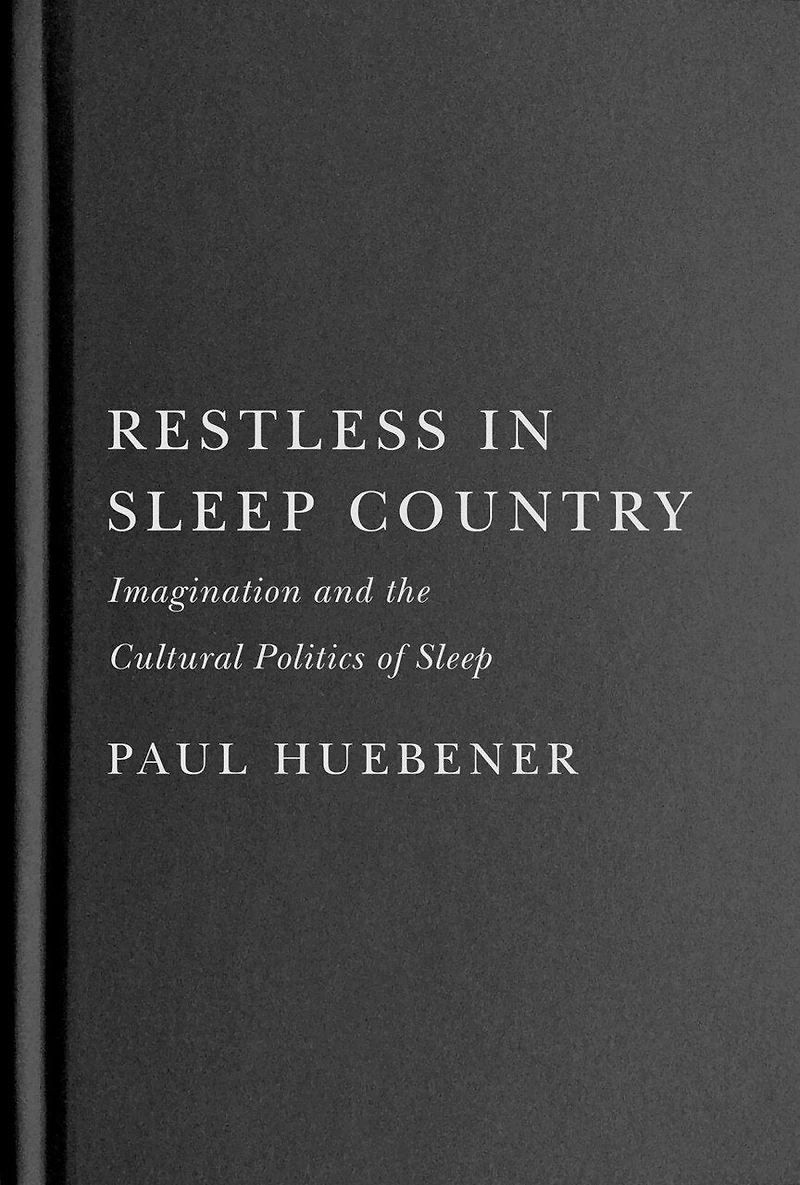
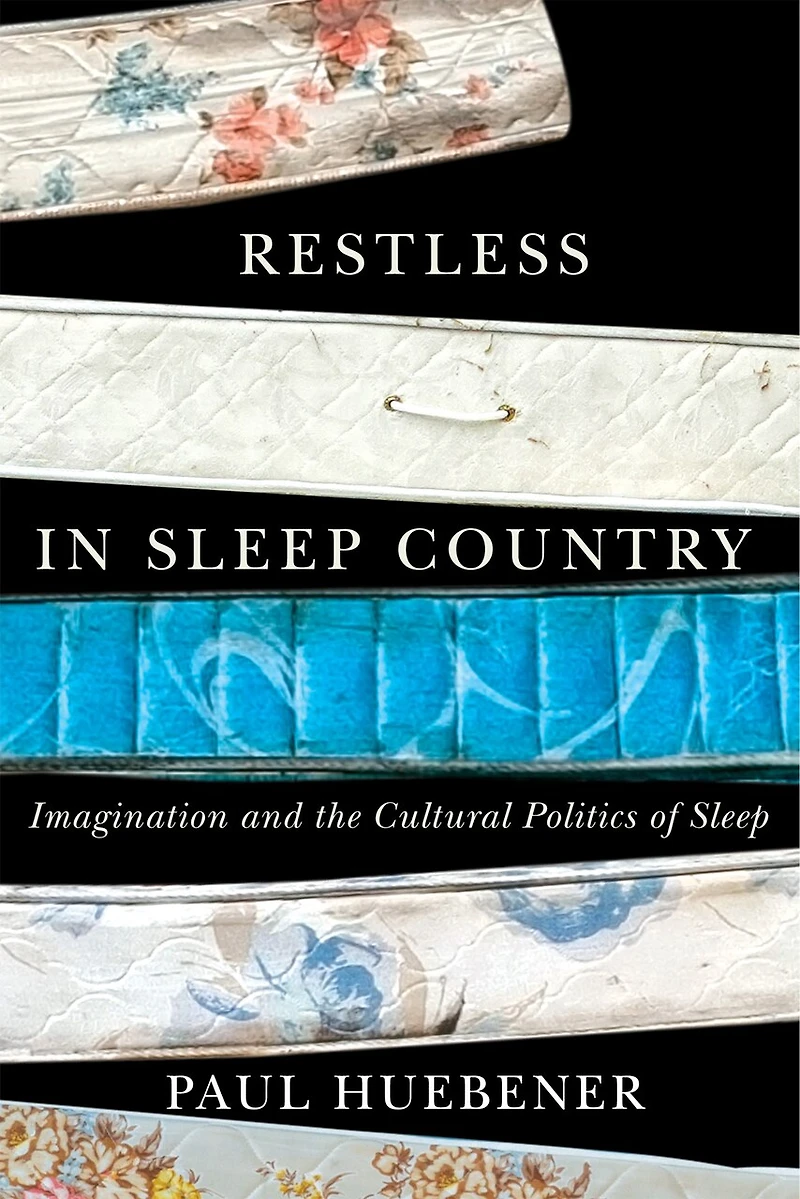
Restless Sleep Country: Imagination and the Cultural Politics of
Current price: $141.30

Restless Sleep Country: Imagination and the Cultural Politics of
Current price: $141.30
Loading Inventory...
Size: Hardcover
*Product information may vary - to confirm product availability, pricing, shipping and return information please contact Indigo
Sleep, and the lack of it, is a public obsession and an enormous everyday quandary. Troubled sleep tends to be seen as an individual problem and personal responsibility, to be fixed by better habits and tracking gadgets, but the reality is more complicated. Sleep is a site of politics, culture, and power. In Restless in Sleep Country Paul Huebener pulls back the covers on cultural representations of sleep to show how they are entangled with issues of colonialism, homelessness, consumer culture, technology and privacy, the exploitation of labour, and the effects of the Covid-19 pandemic. Even though it almost entirely evades direct experience, sleep is the subject of a variety of potent narratives, each of which can serve to clarify and shape its role in our lives. In Canada, cultural visions of slumber circulate through such diverse forms as mattress commercials, billboards, comic books, memoirs, experimental poetry, and bedtime story phone apps. By guiding us through this imaginative landscape, Huebener shows us how to develop a critical literacy of sleep. Lying down and closing our eyes is an act that carries surprisingly high stakes, going beyond individual sleep troubles. Restless in Sleep Country illuminates the idea of sleep as a crucial site of inequity, struggle, and gratification.
Sleep, and the lack of it, is a public obsession and an enormous everyday quandary. Troubled sleep tends to be seen as an individual problem and personal responsibility, to be fixed by better habits and tracking gadgets, but the reality is more complicated. Sleep is a site of politics, culture, and power. In Restless in Sleep Country Paul Huebener pulls back the covers on cultural representations of sleep to show how they are entangled with issues of colonialism, homelessness, consumer culture, technology and privacy, the exploitation of labour, and the effects of the Covid-19 pandemic. Even though it almost entirely evades direct experience, sleep is the subject of a variety of potent narratives, each of which can serve to clarify and shape its role in our lives. In Canada, cultural visions of slumber circulate through such diverse forms as mattress commercials, billboards, comic books, memoirs, experimental poetry, and bedtime story phone apps. By guiding us through this imaginative landscape, Huebener shows us how to develop a critical literacy of sleep. Lying down and closing our eyes is an act that carries surprisingly high stakes, going beyond individual sleep troubles. Restless in Sleep Country illuminates the idea of sleep as a crucial site of inequity, struggle, and gratification.
You May Also Like














More About Indigo at Erin Mills Town Centre
The largest book retailer in Canada also offers toys, music, home décor, gifts and lifestyle products. What's Inside...Books, Magazines, CD’s and DVD’s, Toys and Gifts, Home Accents, Electronics, Baby’s and Children’s Section, Bath and Body, Kitchen and Bedroom, Stationary Located outside in the exterior plaza.
5015 Glen Erin Dr, Mississauga, ON L5M 0R7, Canada
Find Indigo at Erin Mills Town Centre in Mississauga ON
Visit Indigo at Erin Mills Town Centre in Mississauga ON