

GIVE THE PERFECT GIFT
Erin Mills Town Centre Gift Cards are the perfect choice for your gift giving needs.Purchase gift cards at kiosks near the food court or centre court, at Guest Services, or click below to purchase online.PURCHASE HEREHome
Revolting Families: Toxic Intimacy, Private Politics, and Literary Realisms the German Sixties
Indigo
Loading Inventory...
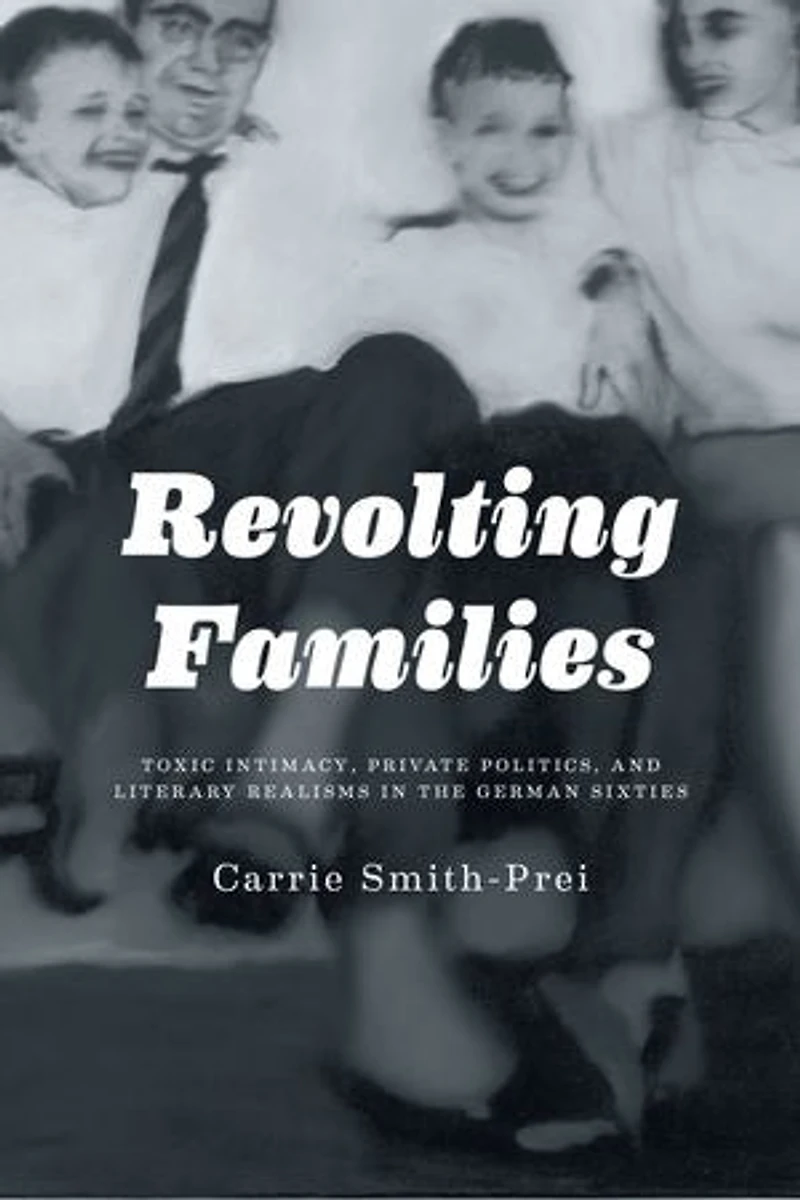
Revolting Families: Toxic Intimacy, Private Politics, and Literary Realisms the German Sixties
Current price: $101.87

Revolting Families: Toxic Intimacy, Private Politics, and Literary Realisms the German Sixties
Current price: $101.87
Loading Inventory...
Size: Hardcover
*Product information may vary - to confirm product availability, pricing, shipping and return information please contact Indigo
Revolting Families places the literary depiction of familial and intimate relations in 1960s West Germany against the backdrop of public discourse on the political significance of the private sphere. Carrie Smith-Prei focuses on debut works by German authors considered to be part of the "new" and "black" realism movements: Dieter Wellershoff, Rolf Dieter Brinkmann, Gisela Elsner, and Renate Rasp. Each of the works by these authors uses depictions of neurosis, disgust, vertigo, or violence to elicit a reaction in readers that calls them to political, social, or ethical action. Revolting Families thus extends the concept of negativity, which has long been part of post-war German philosophical and aesthetic theory, to the body in German literature and culture. Through an analysis of these texts and of contextual discourse, Smith-Prei develops a theoretical concept of corporeal negativity that works to provoke socio-political engagement with the private sphere.
Revolting Families places the literary depiction of familial and intimate relations in 1960s West Germany against the backdrop of public discourse on the political significance of the private sphere. Carrie Smith-Prei focuses on debut works by German authors considered to be part of the "new" and "black" realism movements: Dieter Wellershoff, Rolf Dieter Brinkmann, Gisela Elsner, and Renate Rasp. Each of the works by these authors uses depictions of neurosis, disgust, vertigo, or violence to elicit a reaction in readers that calls them to political, social, or ethical action. Revolting Families thus extends the concept of negativity, which has long been part of post-war German philosophical and aesthetic theory, to the body in German literature and culture. Through an analysis of these texts and of contextual discourse, Smith-Prei develops a theoretical concept of corporeal negativity that works to provoke socio-political engagement with the private sphere.
You May Also Like











More About Indigo at Erin Mills Town Centre
The largest book retailer in Canada also offers toys, music, home décor, gifts and lifestyle products. What's Inside...Books, Magazines, CD’s and DVD’s, Toys and Gifts, Home Accents, Electronics, Baby’s and Children’s Section, Bath and Body, Kitchen and Bedroom, Stationary Located outside in the exterior plaza.
5015 Glen Erin Dr, Mississauga, ON L5M 0R7, Canada
Find Indigo at Erin Mills Town Centre in Mississauga ON
Visit Indigo at Erin Mills Town Centre in Mississauga ON