

GIVE THE PERFECT GIFT
Erin Mills Town Centre Gift Cards are the perfect choice for your gift giving needs.Purchase gift cards at kiosks near the food court or centre court, at Guest Services, or click below to purchase online.PURCHASE HEREHome
Risk perception and psychological asymmetry effect on investor behavior towards mutual funds
Indigo
Loading Inventory...
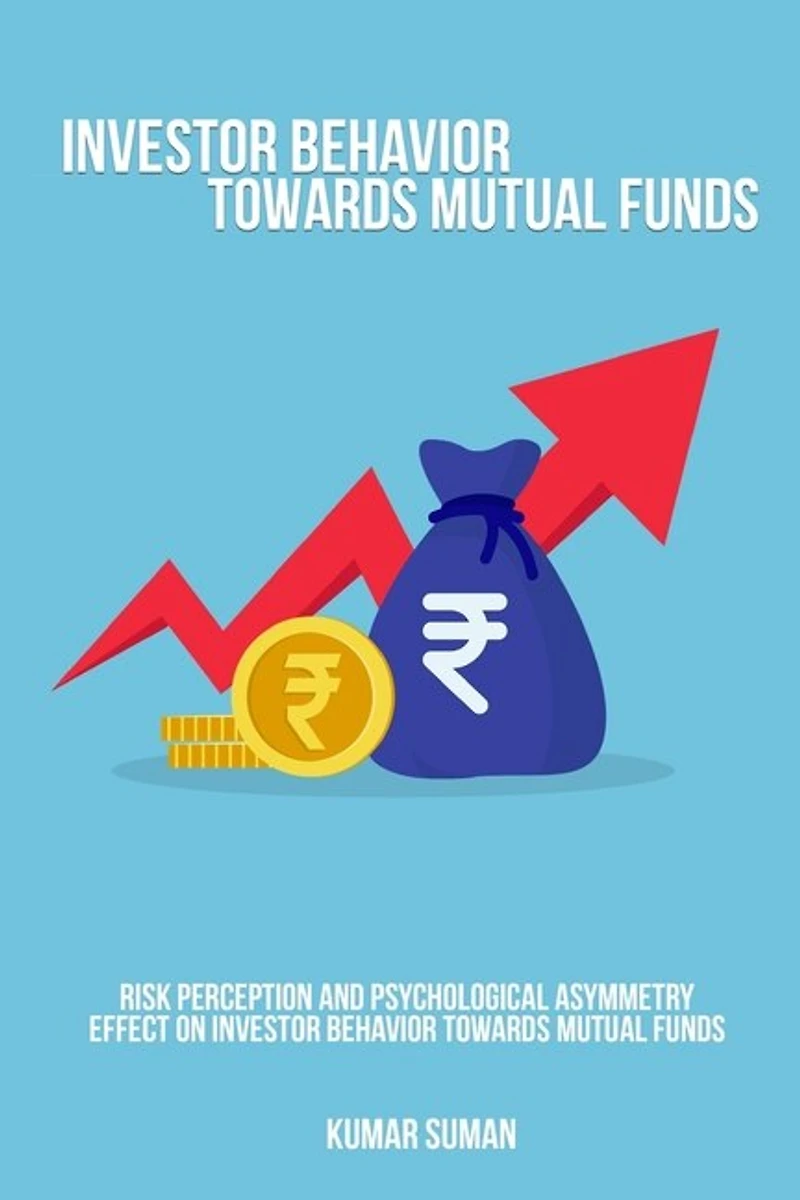
Risk perception and psychological asymmetry effect on investor behavior towards mutual funds
Current price: $104.99

Risk perception and psychological asymmetry effect on investor behavior towards mutual funds
Current price: $104.99
Loading Inventory...
Size: Paperback
*Product information may vary - to confirm product availability, pricing, shipping and return information please contact Indigo
Since 1974, when the dynamic duo, Amos Tversky and Daniel Kahneman, came up "Prospect Theory" and challenged the traditional economic theories, the world of investments has undergone a sea change. Decision-making has become very complex because of the presence of a myriad of available options such as stocks, bonds, gold, property, commodities, mutual funds, life insurance and many other alternative options. As if the communication overload and multiple options were not enough, human beings have further complicated their decisions, basis their own unique distinctiveness in terms of their risk preferences and whims and fancies. These have been amply observed and empirically established by many studies in last couple of decades.
Since 1974, when the dynamic duo, Amos Tversky and Daniel Kahneman, came up "Prospect Theory" and challenged the traditional economic theories, the world of investments has undergone a sea change. Decision-making has become very complex because of the presence of a myriad of available options such as stocks, bonds, gold, property, commodities, mutual funds, life insurance and many other alternative options. As if the communication overload and multiple options were not enough, human beings have further complicated their decisions, basis their own unique distinctiveness in terms of their risk preferences and whims and fancies. These have been amply observed and empirically established by many studies in last couple of decades.
You May Also Like











More About Indigo at Erin Mills Town Centre
The largest book retailer in Canada also offers toys, music, home décor, gifts and lifestyle products. What's Inside...Books, Magazines, CD’s and DVD’s, Toys and Gifts, Home Accents, Electronics, Baby’s and Children’s Section, Bath and Body, Kitchen and Bedroom, Stationary Located outside in the exterior plaza.
5015 Glen Erin Dr, Mississauga, ON L5M 0R7, Canada
Find Indigo at Erin Mills Town Centre in Mississauga ON
Visit Indigo at Erin Mills Town Centre in Mississauga ON