

GIVE THE PERFECT GIFT
Erin Mills Town Centre Gift Cards are the perfect choice for your gift giving needs.Purchase gift cards at kiosks near the food court or centre court, at Guest Services, or click below to purchase online.PURCHASE HEREHome
Robber Noblemen: A study of the political system Sikh Jats
Indigo
Loading Inventory...
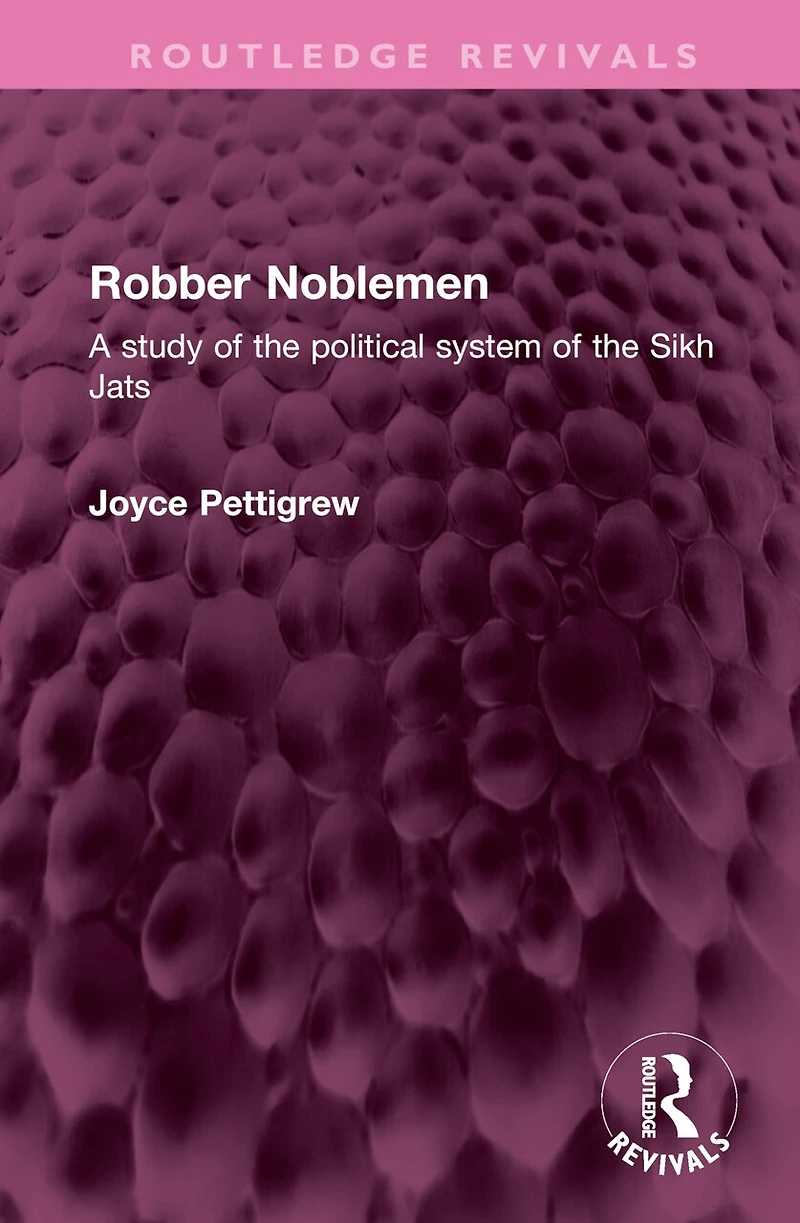
Robber Noblemen: A study of the political system Sikh Jats
Current price: $199.95

Robber Noblemen: A study of the political system Sikh Jats
Current price: $199.95
Loading Inventory...
Size: Hardcover
*Product information may vary - to confirm product availability, pricing, shipping and return information please contact Indigo
First published in 1975, Robber Noblemen represents a break with traditional anthropological studies within the Indian subcontinent in the breadth of its coverage. A whole state, the Punjab, is discussed, with special reference to the social and political organization of its landowning Sikhs: the Jats. Joyce Pettigrew demonstrates that although the Punjab is included within the formal political framework of the Indian Union, it is nevertheless more closely allied to countries on its western border, by virtual of its social structure and value system. The caste system does not exist among the Sikhs. Values sustaining patterns of social and political action are not those pertaining to ritual purity and pollution but are those concerned with the extended family unit: honour, reputation, insult. The author shows how long-standing collaborative relationships between families compete with other similarly formed alliances or 'factions' for power and influence. This book will be of interest to students of anthropology, history, political science and South Asian studies.
First published in 1975, Robber Noblemen represents a break with traditional anthropological studies within the Indian subcontinent in the breadth of its coverage. A whole state, the Punjab, is discussed, with special reference to the social and political organization of its landowning Sikhs: the Jats. Joyce Pettigrew demonstrates that although the Punjab is included within the formal political framework of the Indian Union, it is nevertheless more closely allied to countries on its western border, by virtual of its social structure and value system. The caste system does not exist among the Sikhs. Values sustaining patterns of social and political action are not those pertaining to ritual purity and pollution but are those concerned with the extended family unit: honour, reputation, insult. The author shows how long-standing collaborative relationships between families compete with other similarly formed alliances or 'factions' for power and influence. This book will be of interest to students of anthropology, history, political science and South Asian studies.
You May Also Like








More About Indigo at Erin Mills Town Centre
The largest book retailer in Canada also offers toys, music, home décor, gifts and lifestyle products. What's Inside...Books, Magazines, CD’s and DVD’s, Toys and Gifts, Home Accents, Electronics, Baby’s and Children’s Section, Bath and Body, Kitchen and Bedroom, Stationary Located outside in the exterior plaza.
5015 Glen Erin Dr, Mississauga, ON L5M 0R7, Canada
Find Indigo at Erin Mills Town Centre in Mississauga ON
Visit Indigo at Erin Mills Town Centre in Mississauga ON