

GIVE THE PERFECT GIFT
Erin Mills Town Centre Gift Cards are the perfect choice for your gift giving needs.Purchase gift cards at kiosks near the food court or centre court, at Guest Services, or click below to purchase online.PURCHASE HEREHome
Robert Frank: Paris
Indigo
Loading Inventory...
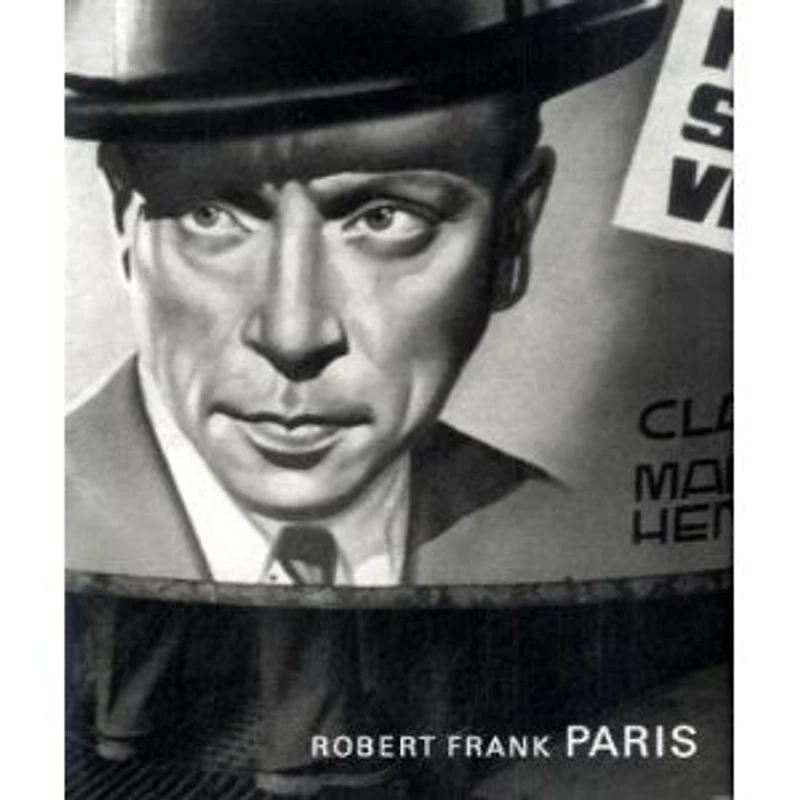
Robert Frank: Paris
Current price: $63.00

Robert Frank: Paris
Current price: $63.00
Loading Inventory...
Size: Hardcover
*Product information may vary - to confirm product availability, pricing, shipping and return information please contact Indigo
A portrait of Paris during the early 1950s The publication of Paris marks the first time that the significant body of photographs which Robert Frank made in Paris in the early 1950s have been brought together in a single book. Having left Switzerland in 1924, this 1951 trip to France was only Frank's second return to Europe after he had settled in New York City in 1947, and some of the images he made during that visit have become iconic in the history of the medium. The 80 photographs reproduced here, which were selected by Frank and editor Ute Eskildsen, suggest that Frank's experience of the "new world" had sharpened his eye for European urbanism. He saw the city's streets as a stage for human activity and focused particularly on the flower sellers. His work clearly references Atget and invokes the tradition of the flaneur.
A portrait of Paris during the early 1950s The publication of Paris marks the first time that the significant body of photographs which Robert Frank made in Paris in the early 1950s have been brought together in a single book. Having left Switzerland in 1924, this 1951 trip to France was only Frank's second return to Europe after he had settled in New York City in 1947, and some of the images he made during that visit have become iconic in the history of the medium. The 80 photographs reproduced here, which were selected by Frank and editor Ute Eskildsen, suggest that Frank's experience of the "new world" had sharpened his eye for European urbanism. He saw the city's streets as a stage for human activity and focused particularly on the flower sellers. His work clearly references Atget and invokes the tradition of the flaneur.
You May Also Like













More About Indigo at Erin Mills Town Centre
The largest book retailer in Canada also offers toys, music, home décor, gifts and lifestyle products. What's Inside...Books, Magazines, CD’s and DVD’s, Toys and Gifts, Home Accents, Electronics, Baby’s and Children’s Section, Bath and Body, Kitchen and Bedroom, Stationary Located outside in the exterior plaza.
5015 Glen Erin Dr, Mississauga, ON L5M 0R7, Canada
Find Indigo at Erin Mills Town Centre in Mississauga ON
Visit Indigo at Erin Mills Town Centre in Mississauga ON