

GIVE THE PERFECT GIFT
Erin Mills Town Centre Gift Cards are the perfect choice for your gift giving needs.Purchase gift cards at kiosks near the food court or centre court, at Guest Services, or click below to purchase online.PURCHASE HEREHome
Roots Too: White Ethnic Revival Post-Civil Rights America
Indigo
Loading Inventory...
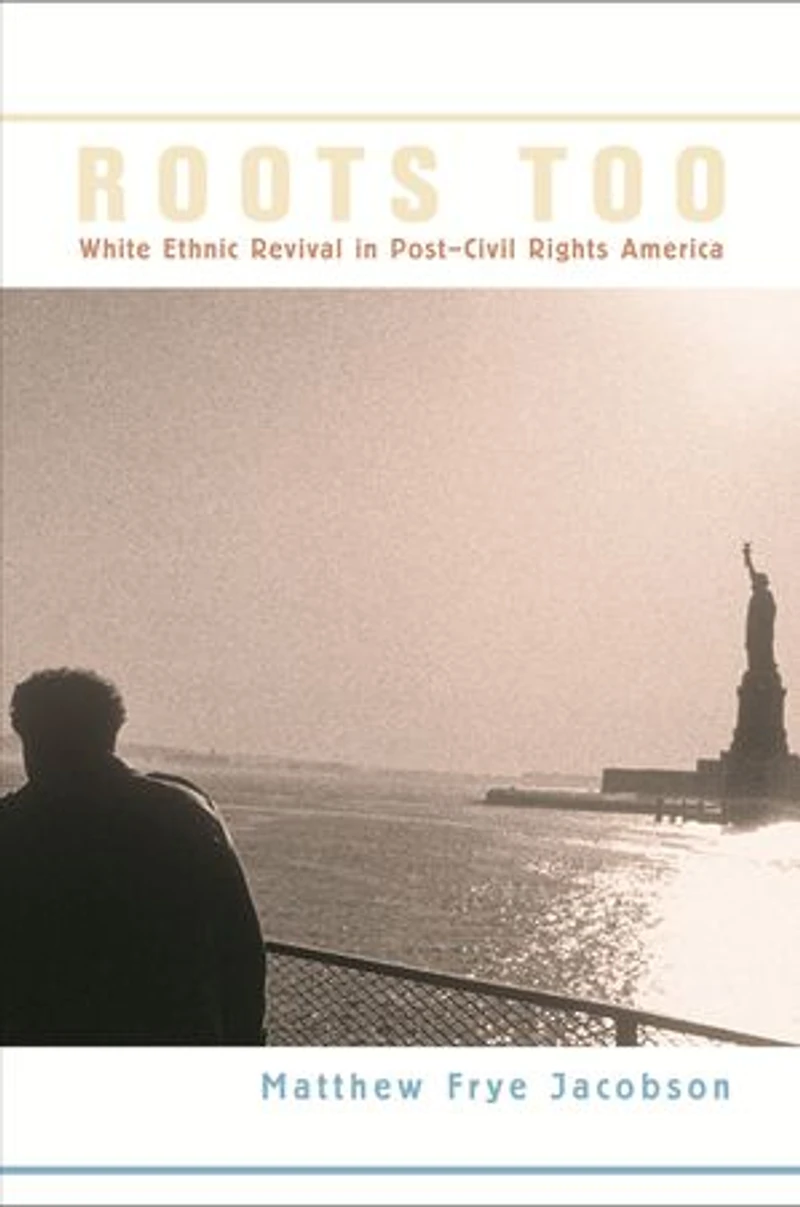
Roots Too: White Ethnic Revival Post-Civil Rights America
Current price: $33.69
Original price: $42.07

Roots Too: White Ethnic Revival Post-Civil Rights America
Current price: $33.69
Original price: $42.07
Loading Inventory...
Size: Kobo eBook
*Product information may vary - to confirm product availability, pricing, shipping and return information please contact Indigo
In the 1950s, America was seen as a vast melting pot in which white ethnic affiliations were on the wane and a common American identity was the norm. Yet by the 1970s, these white ethnics mobilized around a new version of the epic tale of plucky immigrants making their way in the New World through the sweat of their brow. Although this turn to ethnicity was for many an individual search for familial and psychological identity, Roots Too establishes a broader white social and political consensus arising in response to the political language of the Civil Rights and Black Power movements.
In the wake of the Civil Rights movement, whites sought renewed status in the romance of Old World travails and New World fortunes. Ellis Island replaced Plymouth Rock as the touchstone of American nationalism. The entire culture embraced the myth of the indomitable white ethnics—who they were and where they had come from—in literature, film, theater, art, music, and scholarship. The language and symbols of hardworking, self-reliant, and ultimately triumphant European immigrants have exerted tremendous force on political movements and public policy debates from affirmative action to contemporary immigration.
In order to understand how white primacy in American life survived the withering heat of the Civil Rights movement and multiculturalism, Matthew Frye Jacobson argues for a full exploration of the meaning of the white ethnic revival and the uneasy relationship between inclusion and exclusion that it has engendered in our conceptions of national belonging.
In the 1950s, America was seen as a vast melting pot in which white ethnic affiliations were on the wane and a common American identity was the norm. Yet by the 1970s, these white ethnics mobilized around a new version of the epic tale of plucky immigrants making their way in the New World through the sweat of their brow. Although this turn to ethnicity was for many an individual search for familial and psychological identity, Roots Too establishes a broader white social and political consensus arising in response to the political language of the Civil Rights and Black Power movements.
In the wake of the Civil Rights movement, whites sought renewed status in the romance of Old World travails and New World fortunes. Ellis Island replaced Plymouth Rock as the touchstone of American nationalism. The entire culture embraced the myth of the indomitable white ethnics—who they were and where they had come from—in literature, film, theater, art, music, and scholarship. The language and symbols of hardworking, self-reliant, and ultimately triumphant European immigrants have exerted tremendous force on political movements and public policy debates from affirmative action to contemporary immigration.
In order to understand how white primacy in American life survived the withering heat of the Civil Rights movement and multiculturalism, Matthew Frye Jacobson argues for a full exploration of the meaning of the white ethnic revival and the uneasy relationship between inclusion and exclusion that it has engendered in our conceptions of national belonging.
You May Also Like










More About Indigo at Erin Mills Town Centre
The largest book retailer in Canada also offers toys, music, home décor, gifts and lifestyle products. What's Inside...Books, Magazines, CD’s and DVD’s, Toys and Gifts, Home Accents, Electronics, Baby’s and Children’s Section, Bath and Body, Kitchen and Bedroom, Stationary Located outside in the exterior plaza.
5015 Glen Erin Dr, Mississauga, ON L5M 0R7, Canada
Find Indigo at Erin Mills Town Centre in Mississauga ON
Visit Indigo at Erin Mills Town Centre in Mississauga ON