

GIVE THE PERFECT GIFT
Erin Mills Town Centre Gift Cards are the perfect choice for your gift giving needs.Purchase gift cards at kiosks near the food court or centre court, at Guest Services, or click below to purchase online.PURCHASE HEREHome
Russia's Regional Museums: Representing and Misrepresenting Knowledge about Nature, History Society
Indigo
Loading Inventory...
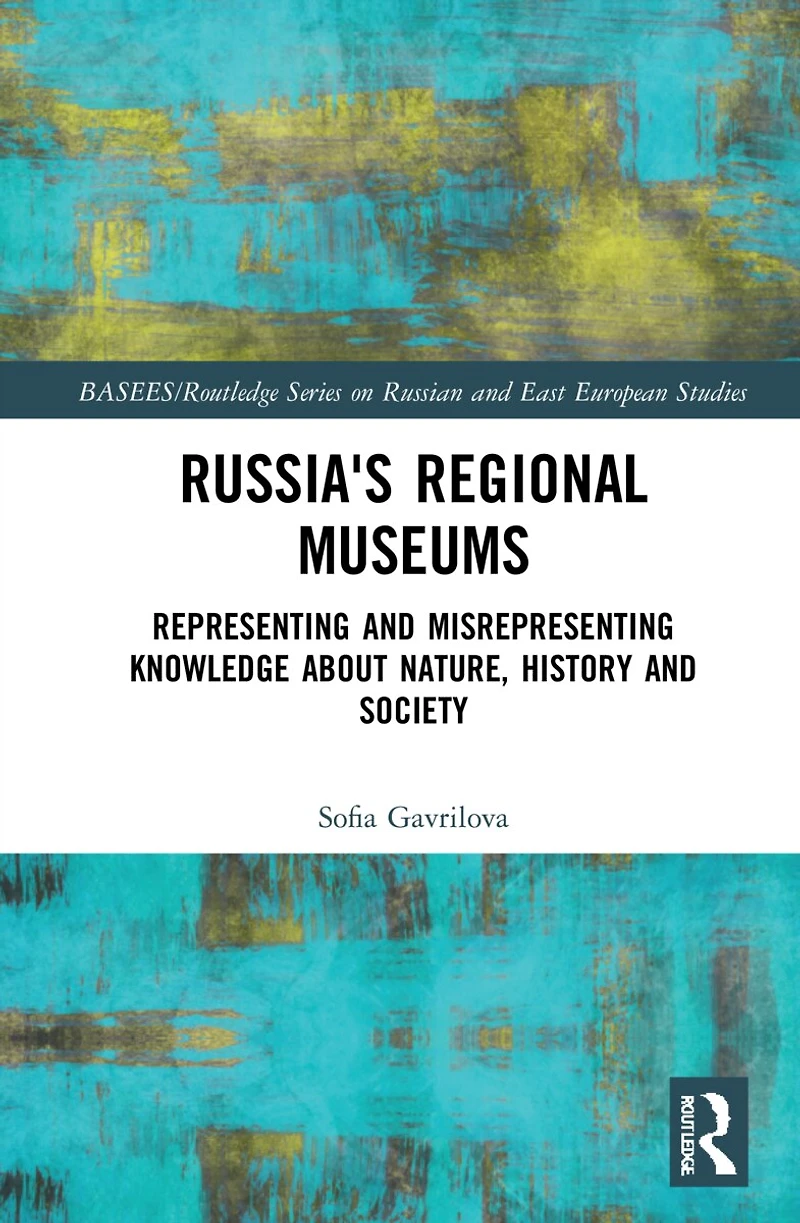
Russia's Regional Museums: Representing and Misrepresenting Knowledge about Nature, History Society
Current price: $296.50

Russia's Regional Museums: Representing and Misrepresenting Knowledge about Nature, History Society
Current price: $296.50
Loading Inventory...
Size: Hardcover
*Product information may vary - to confirm product availability, pricing, shipping and return information please contact Indigo
This book presents the results of extensive research into the very interesting phenomenon of local museums-kraevedschskyi museums-in Russia's regions. It outlines how numerous such museums are, how long they have existed, what they display, and how this has changed, or not, from Soviet times up to the present. It shows how the museums' displays often are about nature, history, and society. It goes on to discuss how what is portrayed represents particular interpretations of knowledge- including the heroism of the Soviet past, a colonial-style view of Russia's very many non-Russian people, and the failure to mention things which might present Russia in a critical way. The book is much more than 'museum studies': it sheds a great deal of light on how Russians think about themselves and about how this self-view is fostered, and it also highlights the vast regional differences which exist in Russia.
This book presents the results of extensive research into the very interesting phenomenon of local museums-kraevedschskyi museums-in Russia's regions. It outlines how numerous such museums are, how long they have existed, what they display, and how this has changed, or not, from Soviet times up to the present. It shows how the museums' displays often are about nature, history, and society. It goes on to discuss how what is portrayed represents particular interpretations of knowledge- including the heroism of the Soviet past, a colonial-style view of Russia's very many non-Russian people, and the failure to mention things which might present Russia in a critical way. The book is much more than 'museum studies': it sheds a great deal of light on how Russians think about themselves and about how this self-view is fostered, and it also highlights the vast regional differences which exist in Russia.
You May Also Like







More About Indigo at Erin Mills Town Centre
The largest book retailer in Canada also offers toys, music, home décor, gifts and lifestyle products. What's Inside...Books, Magazines, CD’s and DVD’s, Toys and Gifts, Home Accents, Electronics, Baby’s and Children’s Section, Bath and Body, Kitchen and Bedroom, Stationary Located outside in the exterior plaza.
5015 Glen Erin Dr, Mississauga, ON L5M 0R7, Canada
Find Indigo at Erin Mills Town Centre in Mississauga ON
Visit Indigo at Erin Mills Town Centre in Mississauga ON