

GIVE THE PERFECT GIFT
Erin Mills Town Centre Gift Cards are the perfect choice for your gift giving needs.Purchase gift cards at kiosks near the food court or centre court, at Guest Services, or click below to purchase online.PURCHASE HEREHome
Salutogenic Urbanism: Architecture and Public Health in Early Modern European Cities
Indigo
Loading Inventory...
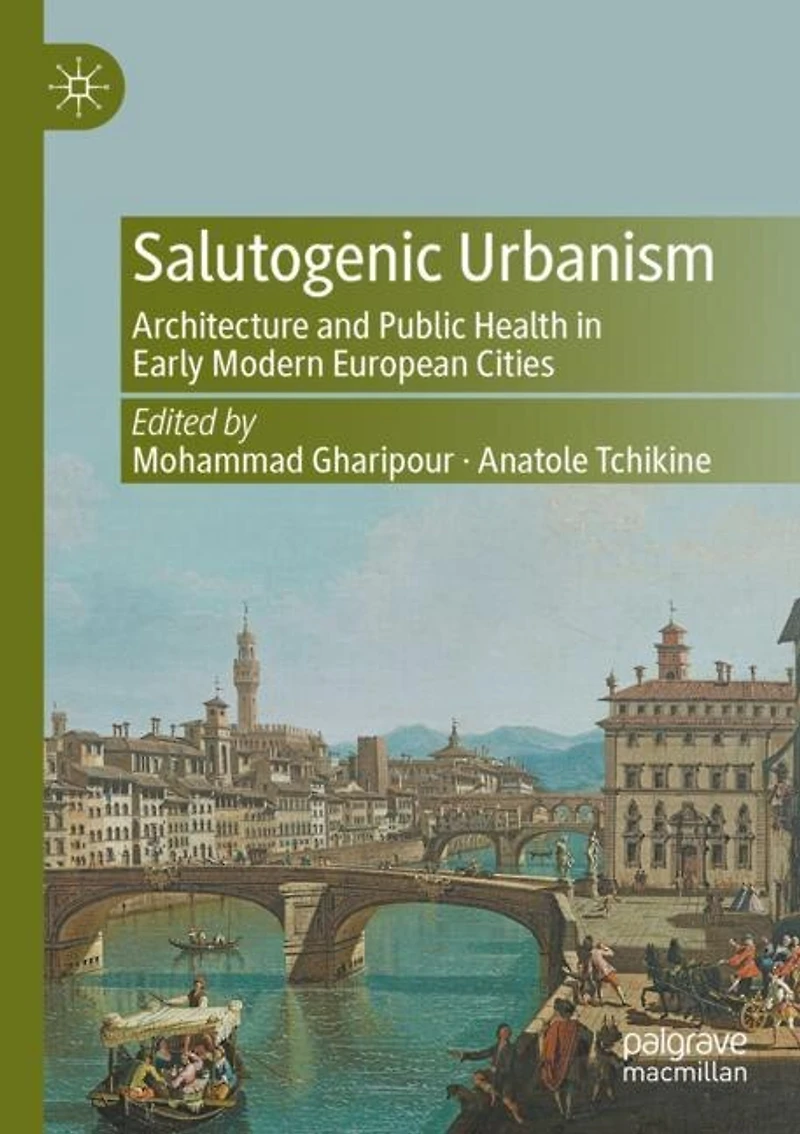
Salutogenic Urbanism: Architecture and Public Health in Early Modern European Cities
Current price: $204.50

Salutogenic Urbanism: Architecture and Public Health in Early Modern European Cities
Current price: $204.50
Loading Inventory...
Size: Paperback
*Product information may vary - to confirm product availability, pricing, shipping and return information please contact Indigo
This book offers a new, salutogenic, perspective on the development of early modern cities by exploring profound and complex ways in which architecture and landscape design served to promote public health on an urban scale. Focusing on fifteenth- through nineteenth-century Europe, it addresses the histories of spaces and institutions that supported salubrious living, highlighting the intersections of medical theory, government policy, and architectural practice in designing, improving, and monumentalizing the infrastructure of sanitation and healthcare. Studies in this book highlight the joint role of design thinking and scientific practice in reforming the facilities for treating and preventing disease; the impact of cross-cultural exchange on early modern strategies of urban improvement; and the creation of new therapeutic environments through state, communal, and private initiatives concerned with the preservation of physical and mental health, from recreational landscapes to spa resorts.
This book offers a new, salutogenic, perspective on the development of early modern cities by exploring profound and complex ways in which architecture and landscape design served to promote public health on an urban scale. Focusing on fifteenth- through nineteenth-century Europe, it addresses the histories of spaces and institutions that supported salubrious living, highlighting the intersections of medical theory, government policy, and architectural practice in designing, improving, and monumentalizing the infrastructure of sanitation and healthcare. Studies in this book highlight the joint role of design thinking and scientific practice in reforming the facilities for treating and preventing disease; the impact of cross-cultural exchange on early modern strategies of urban improvement; and the creation of new therapeutic environments through state, communal, and private initiatives concerned with the preservation of physical and mental health, from recreational landscapes to spa resorts.
You May Also Like













More About Indigo at Erin Mills Town Centre
The largest book retailer in Canada also offers toys, music, home décor, gifts and lifestyle products. What's Inside...Books, Magazines, CD’s and DVD’s, Toys and Gifts, Home Accents, Electronics, Baby’s and Children’s Section, Bath and Body, Kitchen and Bedroom, Stationary Located outside in the exterior plaza.
5015 Glen Erin Dr, Mississauga, ON L5M 0R7, Canada
Find Indigo at Erin Mills Town Centre in Mississauga ON
Visit Indigo at Erin Mills Town Centre in Mississauga ON