

GIVE THE PERFECT GIFT
Erin Mills Town Centre Gift Cards are the perfect choice for your gift giving needs.Purchase gift cards at kiosks near the food court or centre court, at Guest Services, or click below to purchase online.PURCHASE HEREHome
Sanssouci Palace
Indigo
Loading Inventory...
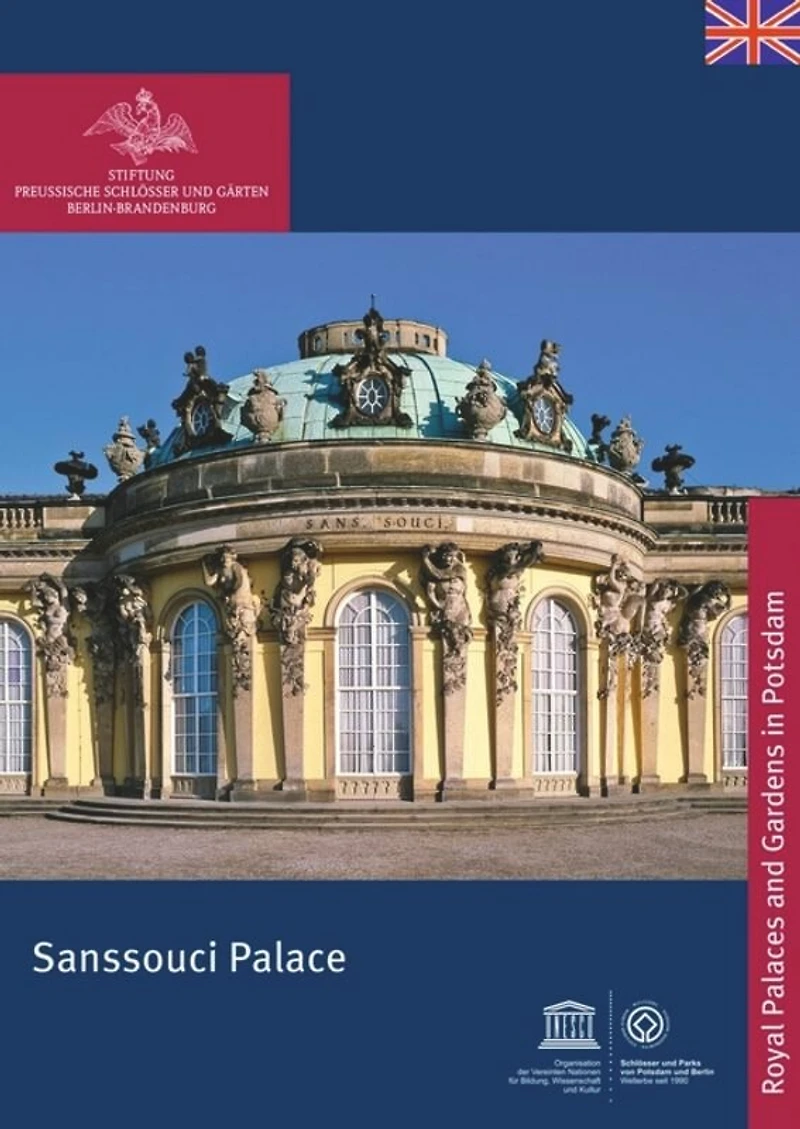
Sanssouci Palace
Current price: $7.99

Sanssouci Palace
Current price: $7.99
Loading Inventory...
Size: Paperback
*Product information may vary - to confirm product availability, pricing, shipping and return information please contact Indigo
Sanssouci Palace, which Frederick the Great had built to his personal specifications, is one of the most important 18th-century royal palaces. Architect Georg Wenzeslaus von Knobelsdorff finished the single-storey building in 1747 in only two years. Planned on the lines of a French pleasure castle, Sanssouci represents the pinnacle of Frederician Rococo. The statuary, the structure of the building itself and its site pay tribute to 'carefree leisure'. Beneath a striking dome is the famous oval Marble Hall, where Frederick the Great held his legendary round-table meetings with the intellectual elite of his day, sharing his many artistic and philosophical interests with guests such as Voltaire in an idyllic rural setting. Most of the 18th-century furnishings have survived to provide an authentic view of this place of cultural meetings, on which in large part rests the reputation of Frederick the Great as a monarch of the Enlightenment and major patron of the arts.
Sanssouci Palace, which Frederick the Great had built to his personal specifications, is one of the most important 18th-century royal palaces. Architect Georg Wenzeslaus von Knobelsdorff finished the single-storey building in 1747 in only two years. Planned on the lines of a French pleasure castle, Sanssouci represents the pinnacle of Frederician Rococo. The statuary, the structure of the building itself and its site pay tribute to 'carefree leisure'. Beneath a striking dome is the famous oval Marble Hall, where Frederick the Great held his legendary round-table meetings with the intellectual elite of his day, sharing his many artistic and philosophical interests with guests such as Voltaire in an idyllic rural setting. Most of the 18th-century furnishings have survived to provide an authentic view of this place of cultural meetings, on which in large part rests the reputation of Frederick the Great as a monarch of the Enlightenment and major patron of the arts.
You May Also Like








More About Indigo at Erin Mills Town Centre
The largest book retailer in Canada also offers toys, music, home décor, gifts and lifestyle products. What's Inside...Books, Magazines, CD’s and DVD’s, Toys and Gifts, Home Accents, Electronics, Baby’s and Children’s Section, Bath and Body, Kitchen and Bedroom, Stationary Located outside in the exterior plaza.
5015 Glen Erin Dr, Mississauga, ON L5M 0R7, Canada
Find Indigo at Erin Mills Town Centre in Mississauga ON
Visit Indigo at Erin Mills Town Centre in Mississauga ON