

GIVE THE PERFECT GIFT
Erin Mills Town Centre Gift Cards are the perfect choice for your gift giving needs.Purchase gift cards at kiosks near the food court or centre court, at Guest Services, or click below to purchase online.PURCHASE HEREHome
Saving Forest Ecosystems: A Century Plus of Research and Education at the University Washington
Indigo
Loading Inventory...
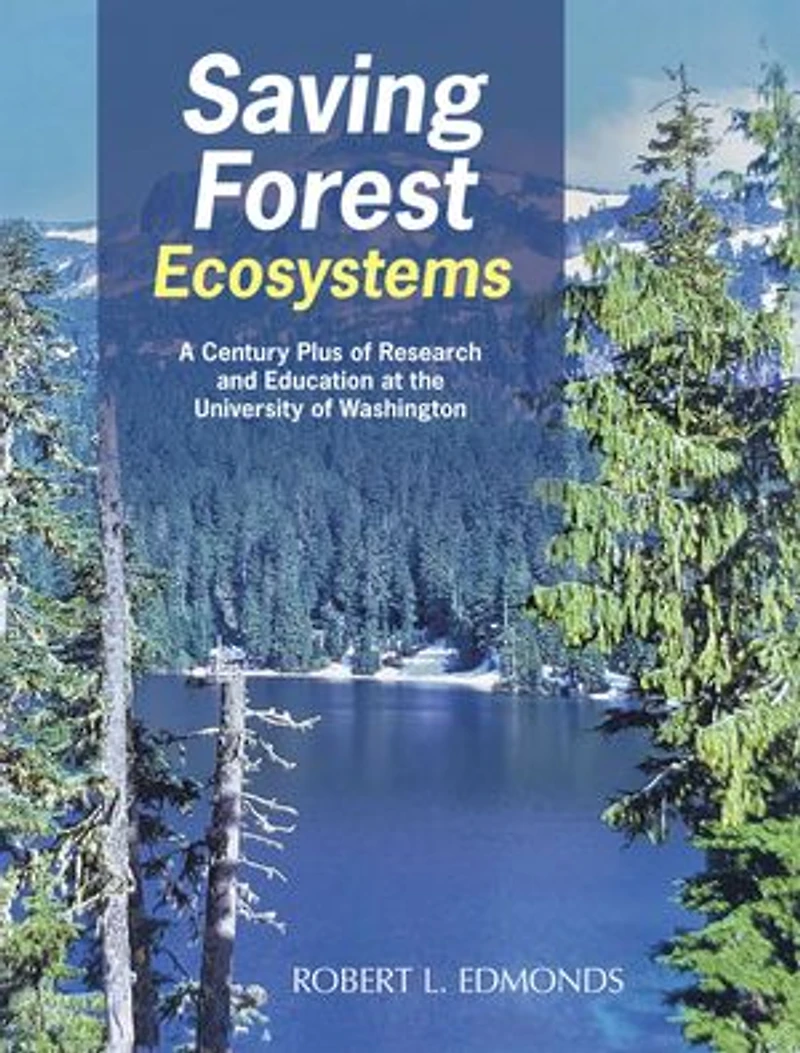
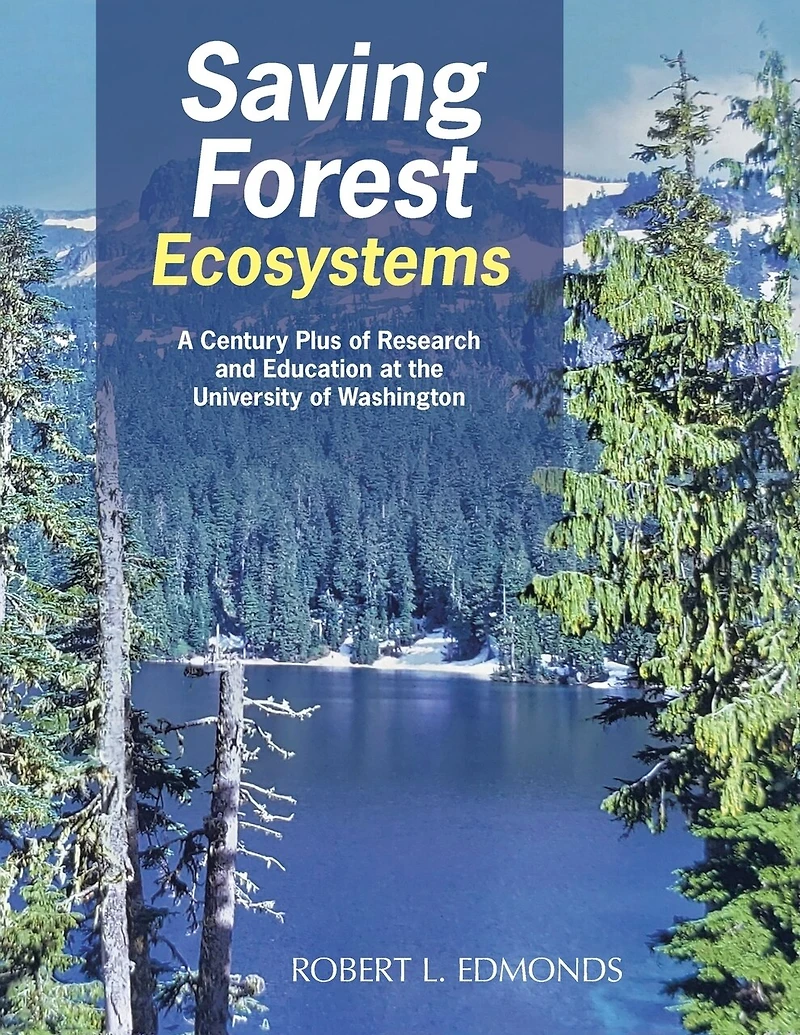
Saving Forest Ecosystems: A Century Plus of Research and Education at the University Washington
Current price: $10.99
Original price: $12.99

Saving Forest Ecosystems: A Century Plus of Research and Education at the University Washington
Current price: $10.99
Original price: $12.99
Loading Inventory...
Size: Kobo eBook
*Product information may vary - to confirm product availability, pricing, shipping and return information please contact Indigo
After the first Euro-American settlers arrived in Seattle in the 1850s, the surrounding old-growth forests were rapidly harvested for lumber, causing environmental degradation and displacing native peoples. Conflicts about the future of Pacific Northwest forests have continued since then. Only recently have academics, government agencies, industry, small private landowners, tribes, and environmental organizations come together to develop plans to protect the remaining old-growth forests, wildlife, streams, and fish, as well as providing environmentally friendly forest products. Practicing sustainable forestry, maintaining healthy forests that are less susceptible to fire, insects and diseases; and fostering public enjoyment are now the main goals of forest management. However, conflicts still exist-and with climate change a looming threat, it is important to realize that forests give us much more than lumber. Robert L. Edmonds, professor emeritus at the School of Environmental and Forest Sciences, University of Washington (UW), wrote this book to bring attention to the sustainability of natural resources. He describes how Washington State's forests and the practice of forestry have changed through time and how these changes relate to the long history of research and teaching at the UW. Its scope extends beyond Washington-many of the principles of sustainable forestry developed by faculty have been adopted worldwide.
After the first Euro-American settlers arrived in Seattle in the 1850s, the surrounding old-growth forests were rapidly harvested for lumber, causing environmental degradation and displacing native peoples. Conflicts about the future of Pacific Northwest forests have continued since then. Only recently have academics, government agencies, industry, small private landowners, tribes, and environmental organizations come together to develop plans to protect the remaining old-growth forests, wildlife, streams, and fish, as well as providing environmentally friendly forest products. Practicing sustainable forestry, maintaining healthy forests that are less susceptible to fire, insects and diseases; and fostering public enjoyment are now the main goals of forest management. However, conflicts still exist-and with climate change a looming threat, it is important to realize that forests give us much more than lumber. Robert L. Edmonds, professor emeritus at the School of Environmental and Forest Sciences, University of Washington (UW), wrote this book to bring attention to the sustainability of natural resources. He describes how Washington State's forests and the practice of forestry have changed through time and how these changes relate to the long history of research and teaching at the UW. Its scope extends beyond Washington-many of the principles of sustainable forestry developed by faculty have been adopted worldwide.
You May Also Like









More About Indigo at Erin Mills Town Centre
The largest book retailer in Canada also offers toys, music, home décor, gifts and lifestyle products. What's Inside...Books, Magazines, CD’s and DVD’s, Toys and Gifts, Home Accents, Electronics, Baby’s and Children’s Section, Bath and Body, Kitchen and Bedroom, Stationary Located outside in the exterior plaza.
5015 Glen Erin Dr, Mississauga, ON L5M 0R7, Canada
Find Indigo at Erin Mills Town Centre in Mississauga ON
Visit Indigo at Erin Mills Town Centre in Mississauga ON