

GIVE THE PERFECT GIFT
Erin Mills Town Centre Gift Cards are the perfect choice for your gift giving needs.Purchase gift cards at kiosks near the food court or centre court, at Guest Services, or click below to purchase online.PURCHASE HEREHome
Science and Reading in the Eighteenth Century: The Hardwicke Circle and the Royal Society, 1740–1766
Indigo
Loading Inventory...
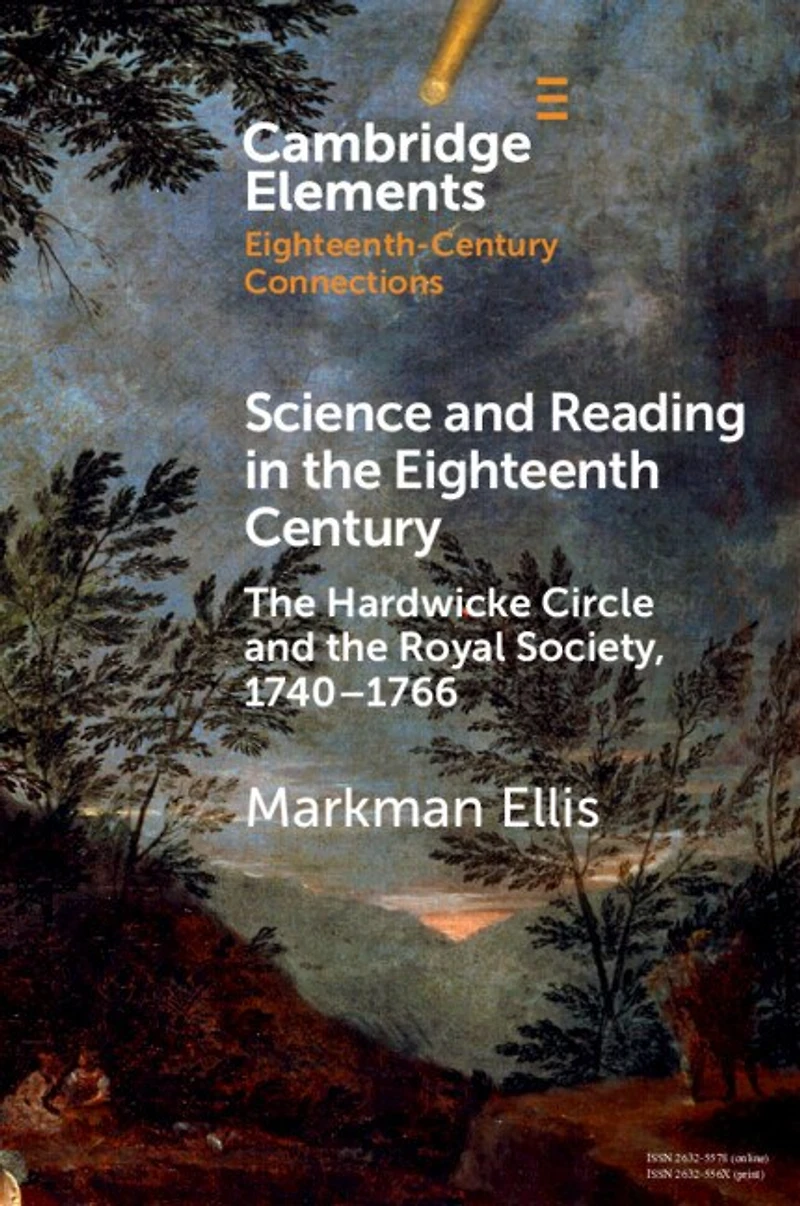
Science and Reading in the Eighteenth Century: The Hardwicke Circle and the Royal Society, 1740–1766
Current price: $29.54

Science and Reading in the Eighteenth Century: The Hardwicke Circle and the Royal Society, 1740–1766
Current price: $29.54
Loading Inventory...
Size: Paperback
*Product information may vary - to confirm product availability, pricing, shipping and return information please contact Indigo
Science and Reading in the Eighteenth Century studies the reading habits of a group of historians and science administrators known as the Hardwicke Circle. The research is based on an analysis of the reading recorded in the 'Weekly Letter', an unpublished private correspondence written from 1741 to 1766 between Thomas Birch (1705–1766), Secretary of the Royal Society, and Philip Yorke (1720–1790), later second earl of Hardwicke. Birch and Yorke were omnivorous, voracious, and active readers. The analysis uses the Weekly Letter to quantify the texts with which they engaged, and explores the role of reading in their intellectual life. The research argues that this evidence shows that, in the early 1750s, the Hardwicke Circle pivoted from a focus on early-modern British history to a new concern with the reform and renovation of British intellectual institutions, especially the Royal Society.
Science and Reading in the Eighteenth Century studies the reading habits of a group of historians and science administrators known as the Hardwicke Circle. The research is based on an analysis of the reading recorded in the 'Weekly Letter', an unpublished private correspondence written from 1741 to 1766 between Thomas Birch (1705–1766), Secretary of the Royal Society, and Philip Yorke (1720–1790), later second earl of Hardwicke. Birch and Yorke were omnivorous, voracious, and active readers. The analysis uses the Weekly Letter to quantify the texts with which they engaged, and explores the role of reading in their intellectual life. The research argues that this evidence shows that, in the early 1750s, the Hardwicke Circle pivoted from a focus on early-modern British history to a new concern with the reform and renovation of British intellectual institutions, especially the Royal Society.
You May Also Like







More About Indigo at Erin Mills Town Centre
The largest book retailer in Canada also offers toys, music, home décor, gifts and lifestyle products. What's Inside...Books, Magazines, CD’s and DVD’s, Toys and Gifts, Home Accents, Electronics, Baby’s and Children’s Section, Bath and Body, Kitchen and Bedroom, Stationary Located outside in the exterior plaza.
5015 Glen Erin Dr, Mississauga, ON L5M 0R7, Canada
Find Indigo at Erin Mills Town Centre in Mississauga ON
Visit Indigo at Erin Mills Town Centre in Mississauga ON