

GIVE THE PERFECT GIFT
Erin Mills Town Centre Gift Cards are the perfect choice for your gift giving needs.Purchase gift cards at kiosks near the food court or centre court, at Guest Services, or click below to purchase online.PURCHASE HEREHome
Sciences of Antiquity: Romantic Antiquarianism, Natural History, and Knowledge Work
Indigo
Loading Inventory...
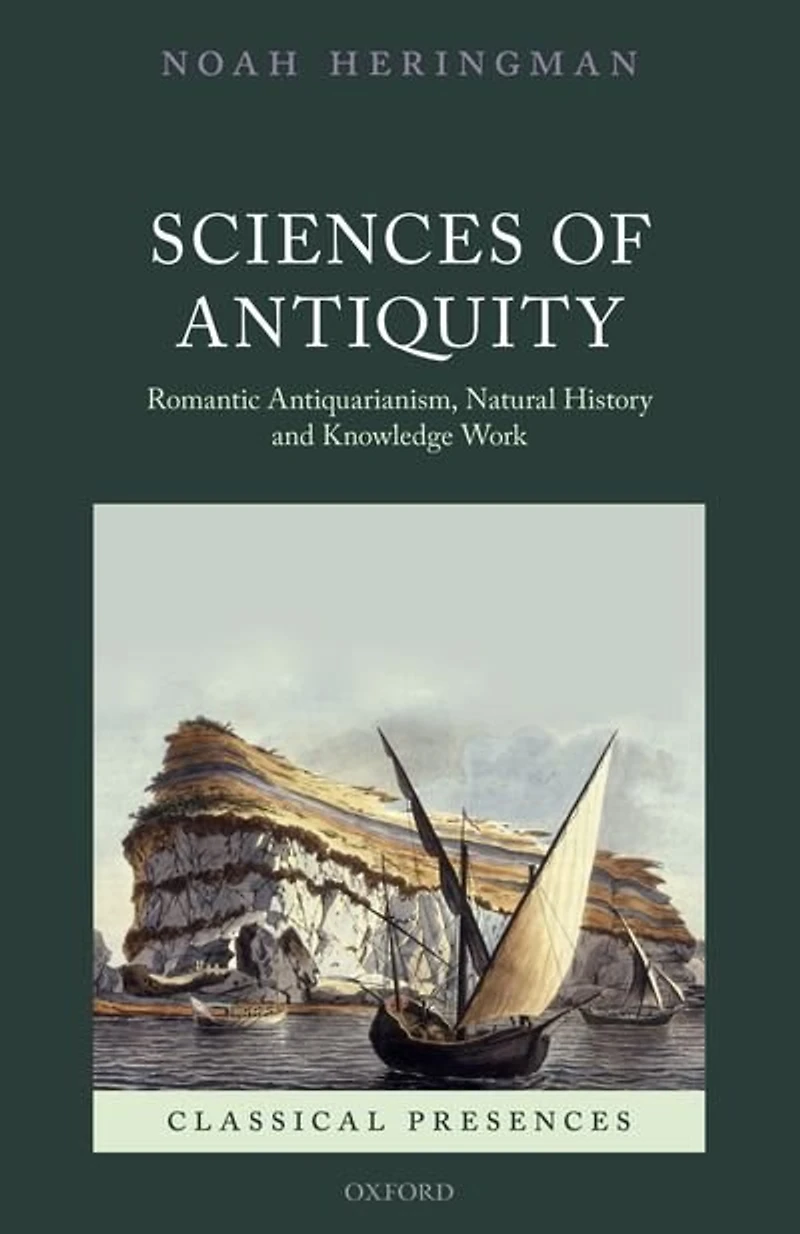
Sciences of Antiquity: Romantic Antiquarianism, Natural History, and Knowledge Work
Current price: $157.50

Sciences of Antiquity: Romantic Antiquarianism, Natural History, and Knowledge Work
Current price: $157.50
Loading Inventory...
Size: Hardcover
*Product information may vary - to confirm product availability, pricing, shipping and return information please contact Indigo
In the course of the eighteenth century, discoveries ranging from Tahiti to Pompeii initiated a scientific turn in the study of the past. Seeking a formal language to display these new findings, Romantic-era plate books presented a wide array of objects as ancient relics. This proliferation of antiquities, a product of old affinities between natural history and antiquarianism, provided new material for the formation of archaeology, geology, anthropology, and other modern disciplines.
Sciences of Antiquity traces the production of five scholarly plate books on subjects of major literary and scientific interest at the time: South Pacific voyaging, Mount Vesuvius, ancient Greek vases, monuments in English cathedrals, and the geology of southeast England. Focusing on illustrators, fieldworkers, and ghostwriters associated with this type of scholarly publication, Heringman explores how the expertise acquired by these largely self-educated intellectuals precipitated a major shift in the way research was done - from patronage to professionalism.
Their scholarship and technical skills demanded recognition, sparking conflicts over the division of labour and the role of institutions such as the Royal Society and the Society of Antiquaries. Ambitious, collaborative plate books, such as The Collection of Etruscan, Greek, and Roman Antiquities (1776) and Sepulchral Monuments of Great Britain (1799), forged a broader and deeper perception of antiquity as extending far beyond the Greco-Roman world.
In the course of the eighteenth century, discoveries ranging from Tahiti to Pompeii initiated a scientific turn in the study of the past. Seeking a formal language to display these new findings, Romantic-era plate books presented a wide array of objects as ancient relics. This proliferation of antiquities, a product of old affinities between natural history and antiquarianism, provided new material for the formation of archaeology, geology, anthropology, and other modern disciplines.
Sciences of Antiquity traces the production of five scholarly plate books on subjects of major literary and scientific interest at the time: South Pacific voyaging, Mount Vesuvius, ancient Greek vases, monuments in English cathedrals, and the geology of southeast England. Focusing on illustrators, fieldworkers, and ghostwriters associated with this type of scholarly publication, Heringman explores how the expertise acquired by these largely self-educated intellectuals precipitated a major shift in the way research was done - from patronage to professionalism.
Their scholarship and technical skills demanded recognition, sparking conflicts over the division of labour and the role of institutions such as the Royal Society and the Society of Antiquaries. Ambitious, collaborative plate books, such as The Collection of Etruscan, Greek, and Roman Antiquities (1776) and Sepulchral Monuments of Great Britain (1799), forged a broader and deeper perception of antiquity as extending far beyond the Greco-Roman world.
You May Also Like












More About Indigo at Erin Mills Town Centre
The largest book retailer in Canada also offers toys, music, home décor, gifts and lifestyle products. What's Inside...Books, Magazines, CD’s and DVD’s, Toys and Gifts, Home Accents, Electronics, Baby’s and Children’s Section, Bath and Body, Kitchen and Bedroom, Stationary Located outside in the exterior plaza.
5015 Glen Erin Dr, Mississauga, ON L5M 0R7, Canada
Find Indigo at Erin Mills Town Centre in Mississauga ON
Visit Indigo at Erin Mills Town Centre in Mississauga ON