

GIVE THE PERFECT GIFT
Erin Mills Town Centre Gift Cards are the perfect choice for your gift giving needs.Purchase gift cards at kiosks near the food court or centre court, at Guest Services, or click below to purchase online.PURCHASE HEREHome
Scotland, Ireland, and the Romantic Aesthetic
Indigo
Loading Inventory...
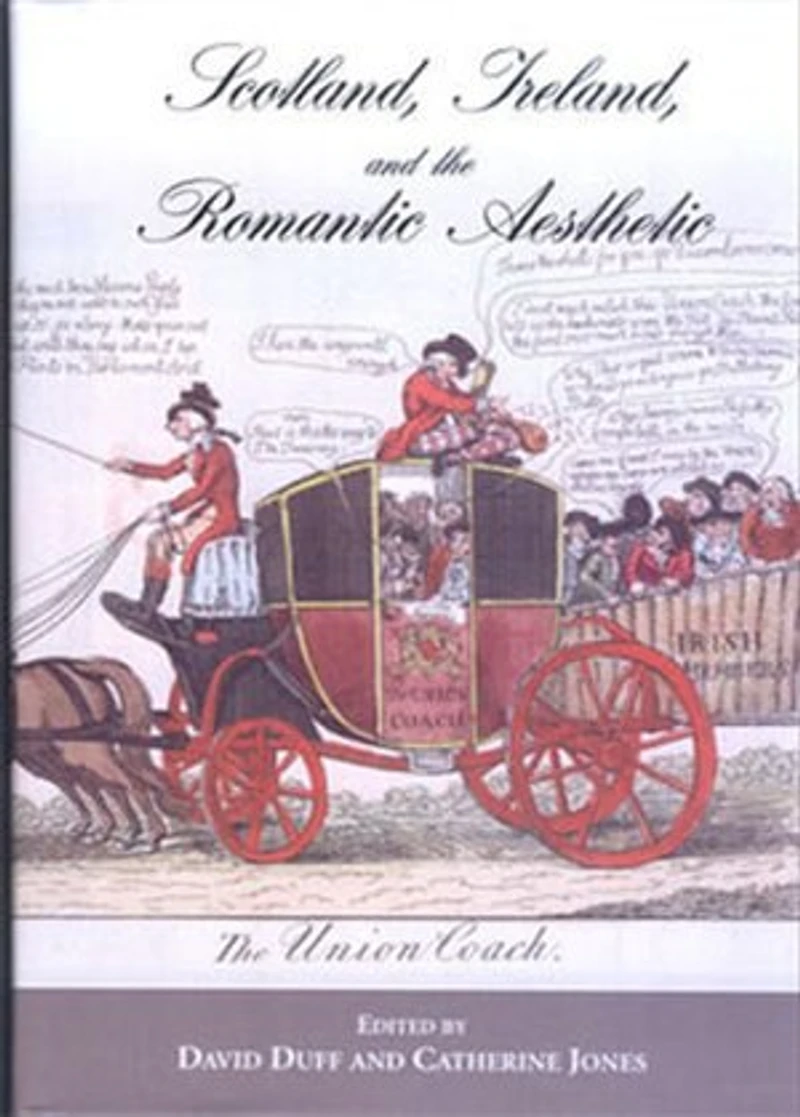
Scotland, Ireland, and the Romantic Aesthetic
Current price: $166.00

Scotland, Ireland, and the Romantic Aesthetic
Current price: $166.00
Loading Inventory...
Size: Hardcover
*Product information may vary - to confirm product availability, pricing, shipping and return information please contact Indigo
In this ground-breaking comparative study of Scottish and Irish Romanticism, leading scholars examine literary relations between Scotland, Ireland, and England in the period 1760-1830, an age of political upheaval and constitutional change that witnessed the Irish Rebellion, the Act of Union, major internal migration, and the cultural repositioning of Ireland and Scotland within a newly conceived 'United Kingdom.' Adopting an 'archipelagic' approach, contributors reveal how national and regional factors played a pivotal role in shaping the literary forms and cultural reception of Romantic aesthetics, with the Scottish-Irish binary serving as a ubiquitous point of reference. The essays extend existing work on the national tale and historical novel to identify previously unexplored areas of comparative inquiry such as national song, topical satire and verse romance, national painting, and travel literature. The book offers an exciting new map of the cultural geography of the Romantic era, and establishes a dynamic methodology for future comparative work.
In this ground-breaking comparative study of Scottish and Irish Romanticism, leading scholars examine literary relations between Scotland, Ireland, and England in the period 1760-1830, an age of political upheaval and constitutional change that witnessed the Irish Rebellion, the Act of Union, major internal migration, and the cultural repositioning of Ireland and Scotland within a newly conceived 'United Kingdom.' Adopting an 'archipelagic' approach, contributors reveal how national and regional factors played a pivotal role in shaping the literary forms and cultural reception of Romantic aesthetics, with the Scottish-Irish binary serving as a ubiquitous point of reference. The essays extend existing work on the national tale and historical novel to identify previously unexplored areas of comparative inquiry such as national song, topical satire and verse romance, national painting, and travel literature. The book offers an exciting new map of the cultural geography of the Romantic era, and establishes a dynamic methodology for future comparative work.
You May Also Like







More About Indigo at Erin Mills Town Centre
The largest book retailer in Canada also offers toys, music, home décor, gifts and lifestyle products. What's Inside...Books, Magazines, CD’s and DVD’s, Toys and Gifts, Home Accents, Electronics, Baby’s and Children’s Section, Bath and Body, Kitchen and Bedroom, Stationary Located outside in the exterior plaza.
5015 Glen Erin Dr, Mississauga, ON L5M 0R7, Canada
Find Indigo at Erin Mills Town Centre in Mississauga ON
Visit Indigo at Erin Mills Town Centre in Mississauga ON