

GIVE THE PERFECT GIFT
Erin Mills Town Centre Gift Cards are the perfect choice for your gift giving needs.Purchase gift cards at kiosks near the food court or centre court, at Guest Services, or click below to purchase online.PURCHASE HEREHome
Screening Out: HIV Testing and the Canadian Immigration Experience
Indigo
Loading Inventory...
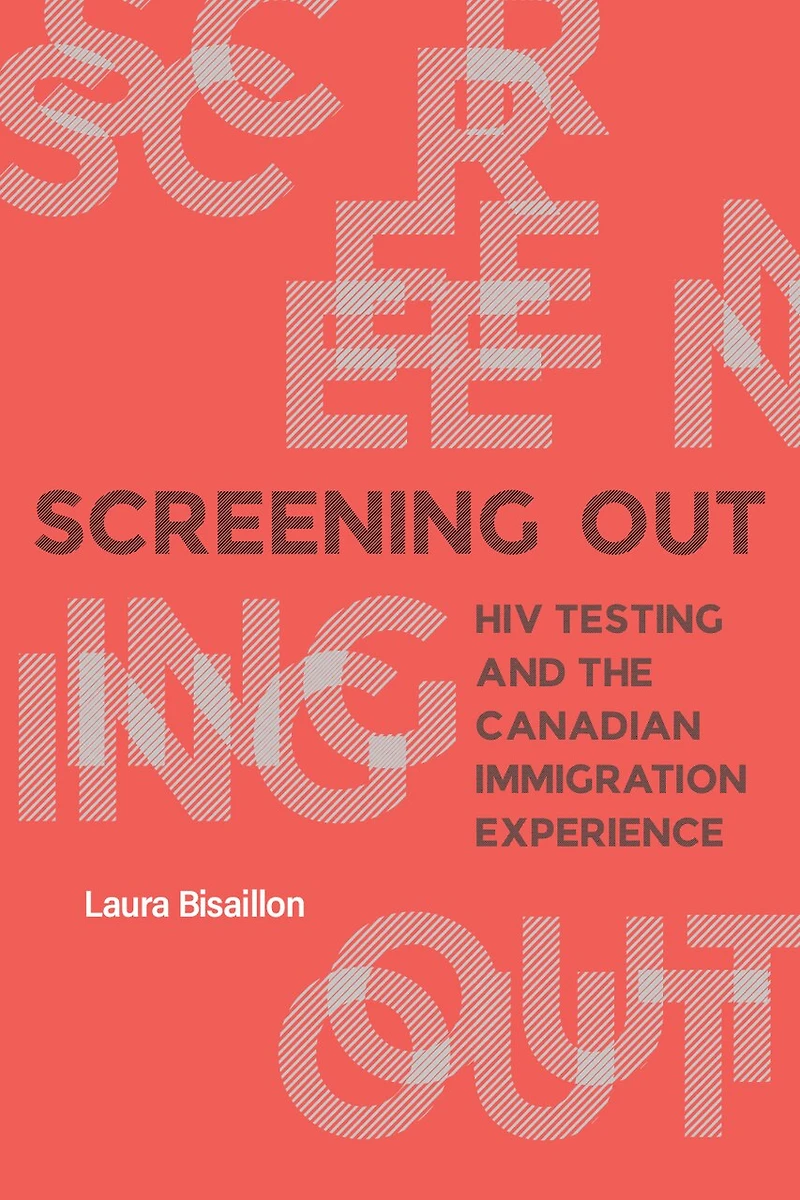
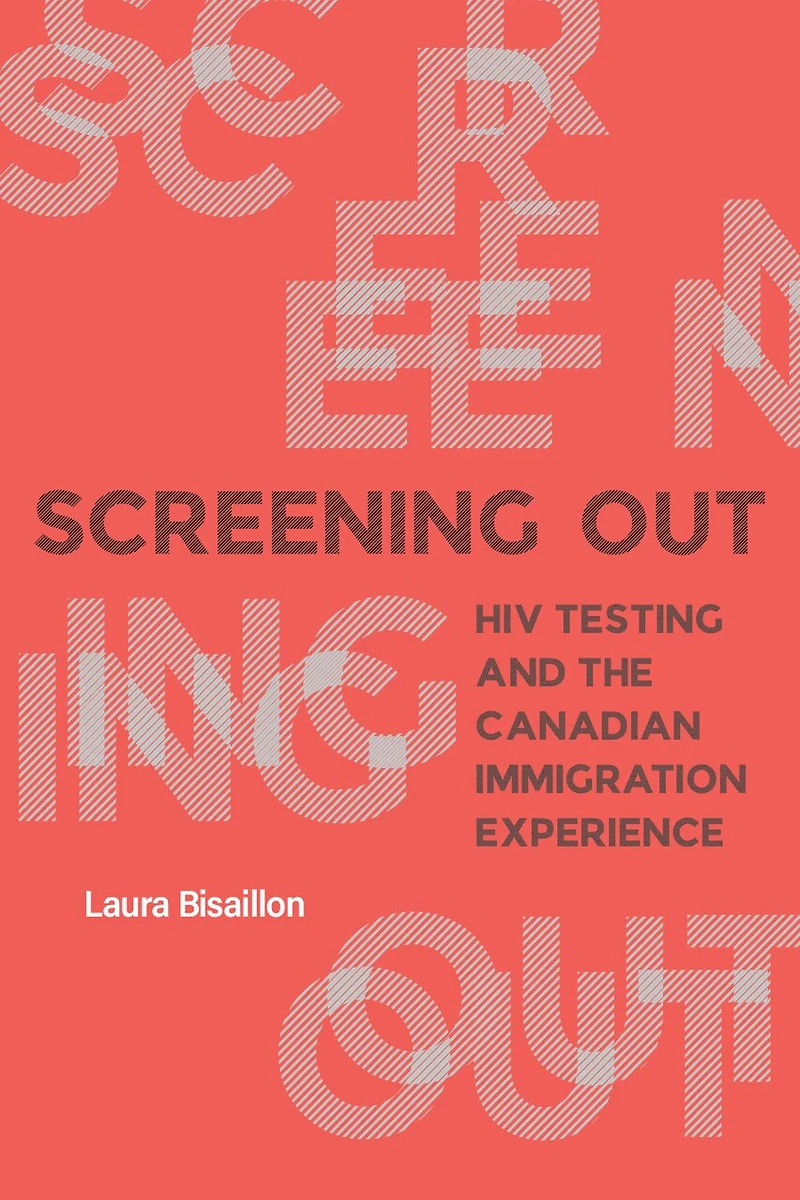
Screening Out: HIV Testing and the Canadian Immigration Experience
Current price: $89.95

Screening Out: HIV Testing and the Canadian Immigration Experience
Current price: $89.95
Loading Inventory...
Size: Hardcover
*Product information may vary - to confirm product availability, pricing, shipping and return information please contact Indigo
What happens when people with HIV apply to immigrate to Canada? Screening Out takes readers through the process of seeking permanent residency, illustrating how mandatory HIV testing and the medical inadmissibility regime are organized in such a way as to make such applications impossible. This ethnographic inquiry into the medico-legal and administrative practices governing the Canadian immigration system shows how this system works from the perspective of the very people toward whom this exclusionary health policy is directed.
As Laura Bisaillon demonstrates, mandatory immigration HIV screening triggers institutional practices that are highly problematic not only for would-be immigrants, but also for those bureaucrats, doctors, and lawyers who work within that system. She provides a vital corrective to state claims about the functioning of – and the professional and administrative practices supporting – mandatory HIV testing and medical examination, pinpointing how and where things need to change.
What happens when people with HIV apply to immigrate to Canada? Screening Out takes readers through the process of seeking permanent residency, illustrating how mandatory HIV testing and the medical inadmissibility regime are organized in such a way as to make such applications impossible. This ethnographic inquiry into the medico-legal and administrative practices governing the Canadian immigration system shows how this system works from the perspective of the very people toward whom this exclusionary health policy is directed.
As Laura Bisaillon demonstrates, mandatory immigration HIV screening triggers institutional practices that are highly problematic not only for would-be immigrants, but also for those bureaucrats, doctors, and lawyers who work within that system. She provides a vital corrective to state claims about the functioning of – and the professional and administrative practices supporting – mandatory HIV testing and medical examination, pinpointing how and where things need to change.
You May Also Like












More About Indigo at Erin Mills Town Centre
The largest book retailer in Canada also offers toys, music, home décor, gifts and lifestyle products. What's Inside...Books, Magazines, CD’s and DVD’s, Toys and Gifts, Home Accents, Electronics, Baby’s and Children’s Section, Bath and Body, Kitchen and Bedroom, Stationary Located outside in the exterior plaza.
5015 Glen Erin Dr, Mississauga, ON L5M 0R7, Canada
Find Indigo at Erin Mills Town Centre in Mississauga ON
Visit Indigo at Erin Mills Town Centre in Mississauga ON