

GIVE THE PERFECT GIFT
Erin Mills Town Centre Gift Cards are the perfect choice for your gift giving needs.Purchase gift cards at kiosks near the food court or centre court, at Guest Services, or click below to purchase online.PURCHASE HEREHome
Seashore Plankton: A Practical Introduction to Biology and Identification
Indigo
Loading Inventory...
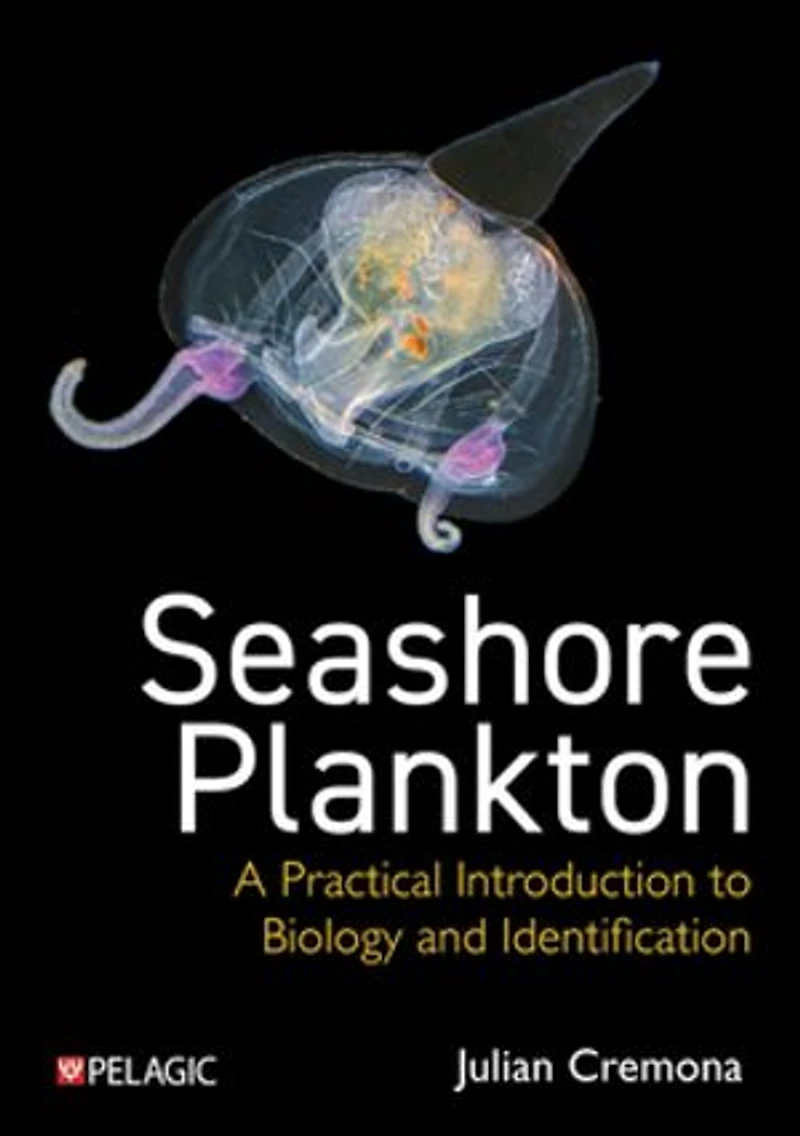

Seashore Plankton: A Practical Introduction to Biology and Identification
Current price: $45.69
Original price: $57.00

Seashore Plankton: A Practical Introduction to Biology and Identification
Current price: $45.69
Original price: $57.00
Loading Inventory...
Size: Kobo eBook
*Product information may vary - to confirm product availability, pricing, shipping and return information please contact Indigo
For the first time, here is a practical guide to marine plankton as seen and collected from the seashore. Perfect for naturalists and ecologists, amateur or professional alike, this book accesses a captivating hidden world. Illustrated throughout with stunning photographs, the multitudes of microscopic life-forms typically found in seawater that laps the shore are displayed, discussed and interpreted.
The first section explains what exactly plankton is and sets out the practicalities of shore collection. We are guided through where and how to do this, observing samples and the basics of using microscopes not only to view but also to photograph the creatures. The second section, comprising the bulk of the book, then takes us into the living organisms we are likely to find: from diatoms, dinoflagellates and even fungi, through single-celled organisms to the huge array of invertebrates and chordates. The concluding third section offers a holistic view, considering ecology and the importance of understanding planktonic life while underlining the problems caused by human activity.
Readers will learn:
- The biology of plankton, including lifecycle, seashore and estuarine habitats, as well as classification.
- Shore-based collection skills and processes: observing marine plankton, including via digital microscopes and optical microscopes, how to sort and view samples.
- Microscopic photography techniques.
- How to organise and sort samples, including systematics, classification and terminology.
- Identification of planktonic organisms by group.
- Details of the wider marine planktonic environment, including vertical migration, food webs and nutrient cycles.
- The interactions of plankton and humans, including microplastics, eutrophication and climate change.
Overall this exciting book is an essential tool for any seashore enthusiast.
For the first time, here is a practical guide to marine plankton as seen and collected from the seashore. Perfect for naturalists and ecologists, amateur or professional alike, this book accesses a captivating hidden world. Illustrated throughout with stunning photographs, the multitudes of microscopic life-forms typically found in seawater that laps the shore are displayed, discussed and interpreted.
The first section explains what exactly plankton is and sets out the practicalities of shore collection. We are guided through where and how to do this, observing samples and the basics of using microscopes not only to view but also to photograph the creatures. The second section, comprising the bulk of the book, then takes us into the living organisms we are likely to find: from diatoms, dinoflagellates and even fungi, through single-celled organisms to the huge array of invertebrates and chordates. The concluding third section offers a holistic view, considering ecology and the importance of understanding planktonic life while underlining the problems caused by human activity.
Readers will learn:
- The biology of plankton, including lifecycle, seashore and estuarine habitats, as well as classification.
- Shore-based collection skills and processes: observing marine plankton, including via digital microscopes and optical microscopes, how to sort and view samples.
- Microscopic photography techniques.
- How to organise and sort samples, including systematics, classification and terminology.
- Identification of planktonic organisms by group.
- Details of the wider marine planktonic environment, including vertical migration, food webs and nutrient cycles.
- The interactions of plankton and humans, including microplastics, eutrophication and climate change.
Overall this exciting book is an essential tool for any seashore enthusiast.
You May Also Like















More About Indigo at Erin Mills Town Centre
The largest book retailer in Canada also offers toys, music, home décor, gifts and lifestyle products. What's Inside...Books, Magazines, CD’s and DVD’s, Toys and Gifts, Home Accents, Electronics, Baby’s and Children’s Section, Bath and Body, Kitchen and Bedroom, Stationary Located outside in the exterior plaza.
5015 Glen Erin Dr, Mississauga, ON L5M 0R7, Canada
Find Indigo at Erin Mills Town Centre in Mississauga ON
Visit Indigo at Erin Mills Town Centre in Mississauga ON