

GIVE THE PERFECT GIFT
Erin Mills Town Centre Gift Cards are the perfect choice for your gift giving needs.Purchase gift cards at kiosks near the food court or centre court, at Guest Services, or click below to purchase online.PURCHASE HEREHome
Second Chinese Daughter
Indigo
Loading Inventory...
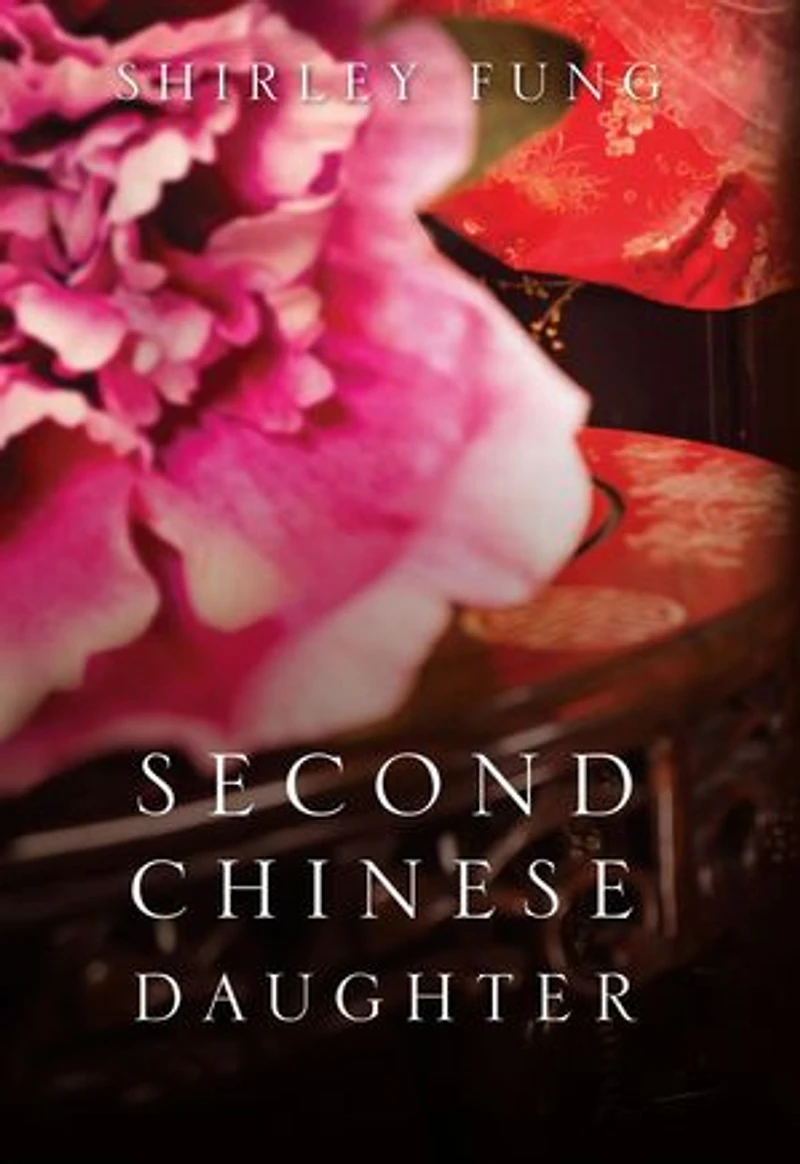
Second Chinese Daughter
Current price: $4.99

Second Chinese Daughter
Current price: $4.99
Loading Inventory...
Size: Kobo eBook
*Product information may vary - to confirm product availability, pricing, shipping and return information please contact Indigo
Second Chinese Daughter delves into the evolving status and roles of women in society as depicted through the experiences of three generations of women in a Chinese family in Penang. Feng, the second daughter in a family of seven siblings, grapples with her lowly hierarchical position in her family and society. Set between the 1930s and '60s, against a backdrop of significant historical events and everyday life in Malaya during that period, this novel follows young Feng's struggle to gain her mother's love and an equitable position among her older siblings and in her community.
The narrative traces some of the Chinese customs and practices at the time that reflect society's base view of women, and the lack of acceptance of their identities. Through the eyes of her grandmother and her mother, Feng sees the all-too-slow change in women's place in society, and endeavours to break away from the constricting world of her female ancestors to find a better place for herself.
Second Chinese Daughter delves into the evolving status and roles of women in society as depicted through the experiences of three generations of women in a Chinese family in Penang. Feng, the second daughter in a family of seven siblings, grapples with her lowly hierarchical position in her family and society. Set between the 1930s and '60s, against a backdrop of significant historical events and everyday life in Malaya during that period, this novel follows young Feng's struggle to gain her mother's love and an equitable position among her older siblings and in her community.
The narrative traces some of the Chinese customs and practices at the time that reflect society's base view of women, and the lack of acceptance of their identities. Through the eyes of her grandmother and her mother, Feng sees the all-too-slow change in women's place in society, and endeavours to break away from the constricting world of her female ancestors to find a better place for herself.
You May Also Like







More About Indigo at Erin Mills Town Centre
The largest book retailer in Canada also offers toys, music, home décor, gifts and lifestyle products. What's Inside...Books, Magazines, CD’s and DVD’s, Toys and Gifts, Home Accents, Electronics, Baby’s and Children’s Section, Bath and Body, Kitchen and Bedroom, Stationary Located outside in the exterior plaza.
5015 Glen Erin Dr, Mississauga, ON L5M 0R7, Canada
Find Indigo at Erin Mills Town Centre in Mississauga ON
Visit Indigo at Erin Mills Town Centre in Mississauga ON