

GIVE THE PERFECT GIFT
Erin Mills Town Centre Gift Cards are the perfect choice for your gift giving needs.Purchase gift cards at kiosks near the food court or centre court, at Guest Services, or click below to purchase online.PURCHASE HEREHome
Second Language Phonology: Phonetic Variation and Phonological Representations
Indigo
Loading Inventory...
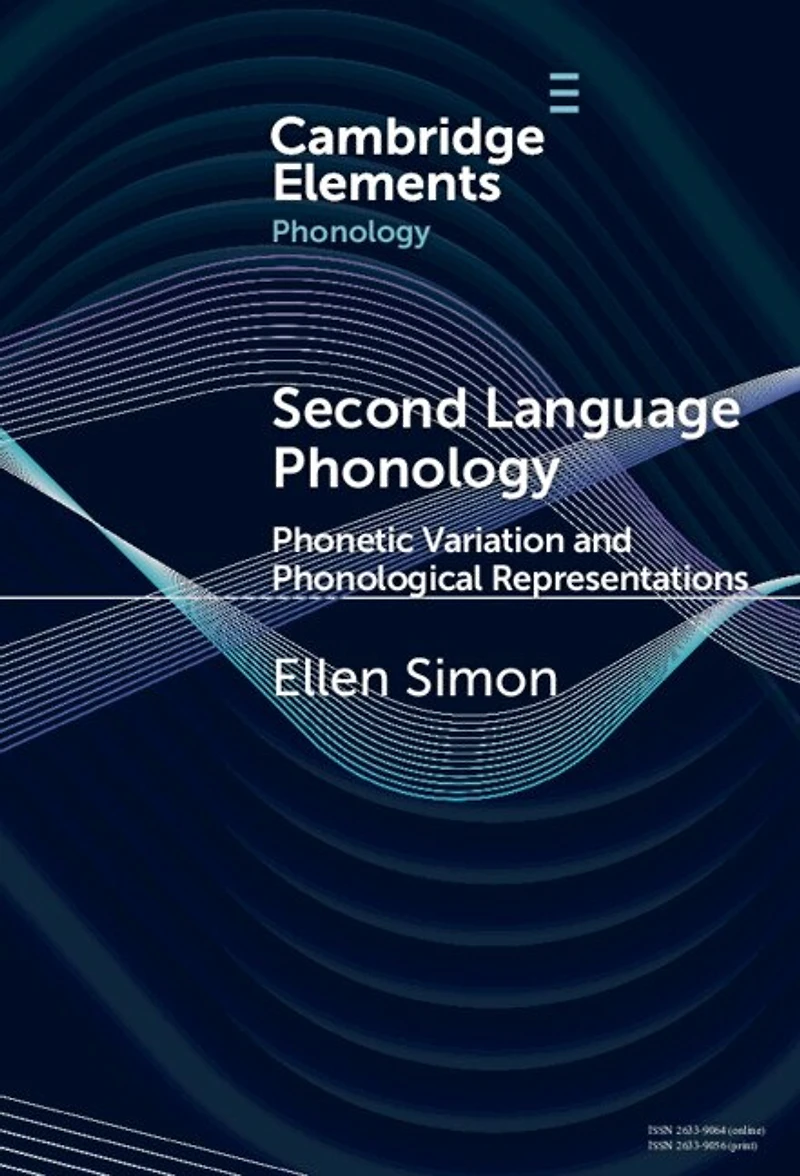
Second Language Phonology: Phonetic Variation and Phonological Representations
Current price: $94.73

Second Language Phonology: Phonetic Variation and Phonological Representations
Current price: $94.73
Loading Inventory...
Size: Hardcover
*Product information may vary - to confirm product availability, pricing, shipping and return information please contact Indigo
This Element deals with the interplay between phonology, phonetics and acquisition. It addresses the question of whether and how phonological representations are acquired in adult second language (L2) learners in the face of phonetic variation inherent in speech. Drawing from a large number of empirical studies on the acquisition of L2 speech sounds, the Element outlines how phonetic or phonological representations develop in L2 learners on the basis of input in immersion and instructed language learning contexts. Taking in insights from sociophonetics and clinical linguistics, the Element further discusses how accent variation impacts second language phonological acquisition and what clinical studies on individuals with atypical language development can tell us about the nature of phonological representations. Finally, new avenues in the field of L2 phonology are explored, especially with regard to methodological challenges and opportunities related to the use of spontaneous speech and remote data collection.
This Element deals with the interplay between phonology, phonetics and acquisition. It addresses the question of whether and how phonological representations are acquired in adult second language (L2) learners in the face of phonetic variation inherent in speech. Drawing from a large number of empirical studies on the acquisition of L2 speech sounds, the Element outlines how phonetic or phonological representations develop in L2 learners on the basis of input in immersion and instructed language learning contexts. Taking in insights from sociophonetics and clinical linguistics, the Element further discusses how accent variation impacts second language phonological acquisition and what clinical studies on individuals with atypical language development can tell us about the nature of phonological representations. Finally, new avenues in the field of L2 phonology are explored, especially with regard to methodological challenges and opportunities related to the use of spontaneous speech and remote data collection.
You May Also Like









More About Indigo at Erin Mills Town Centre
The largest book retailer in Canada also offers toys, music, home décor, gifts and lifestyle products. What's Inside...Books, Magazines, CD’s and DVD’s, Toys and Gifts, Home Accents, Electronics, Baby’s and Children’s Section, Bath and Body, Kitchen and Bedroom, Stationary Located outside in the exterior plaza.
5015 Glen Erin Dr, Mississauga, ON L5M 0R7, Canada
Find Indigo at Erin Mills Town Centre in Mississauga ON
Visit Indigo at Erin Mills Town Centre in Mississauga ON